
Why the Best Vacation Homes Aren’t on Airbnb Anymore

For years, Airbnb was synonymous with discovery—unique homes, personal hosts, places that felt different from hotels. But something has shifted.
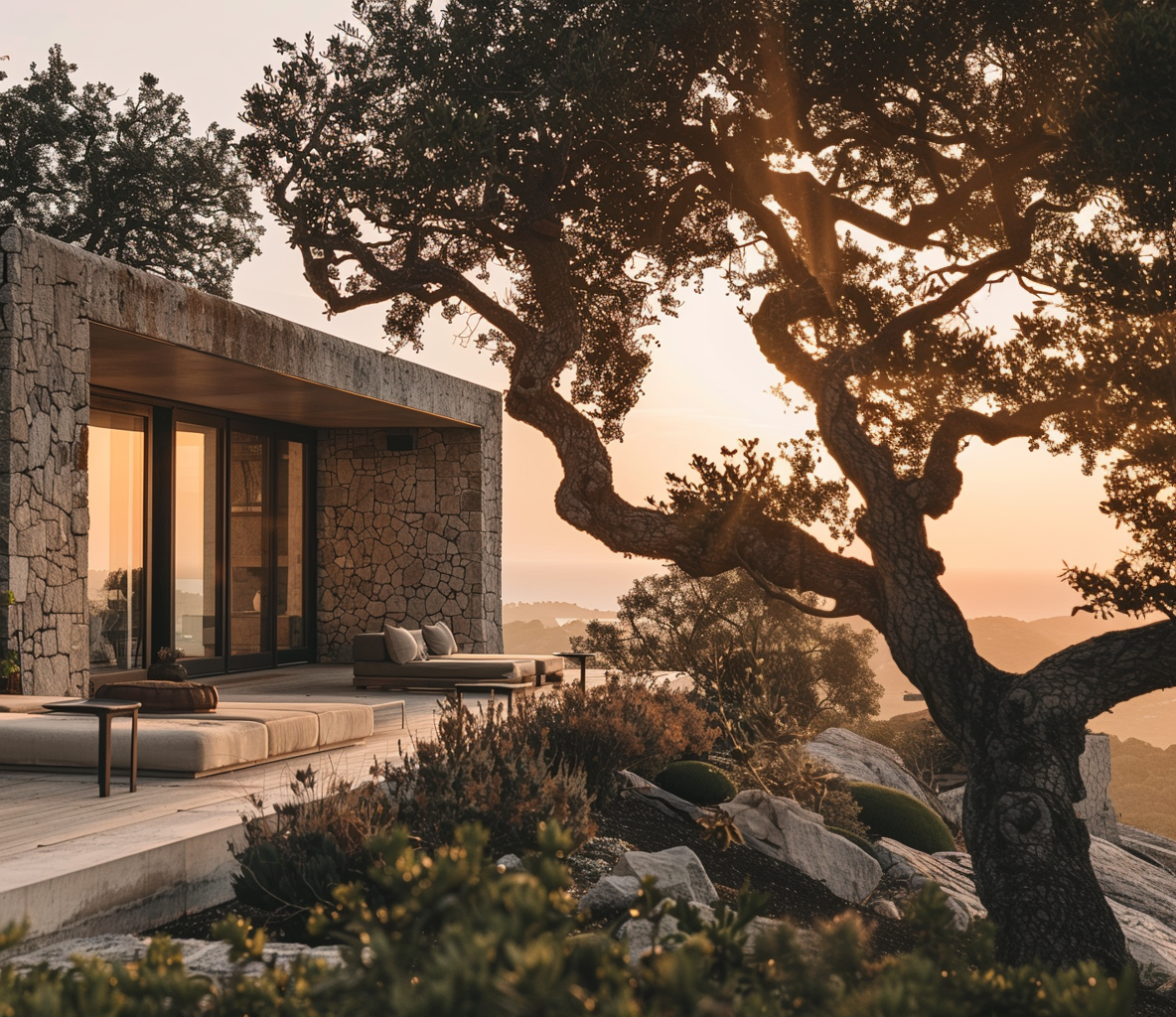
In 2026, many of the most thoughtfully designed vacation homes are no longer optimized for marketplaces at all. Some are harder to find. Others appear selectively. And a growing number prioritize direct relationships over maximum visibility.
This isn’t about abandoning platforms.
It’s about outgrowing them.
Design-Led Homes Were Never Meant to Be Commodities
Marketplaces work best when products are interchangeable. Vacation homes aren’t.
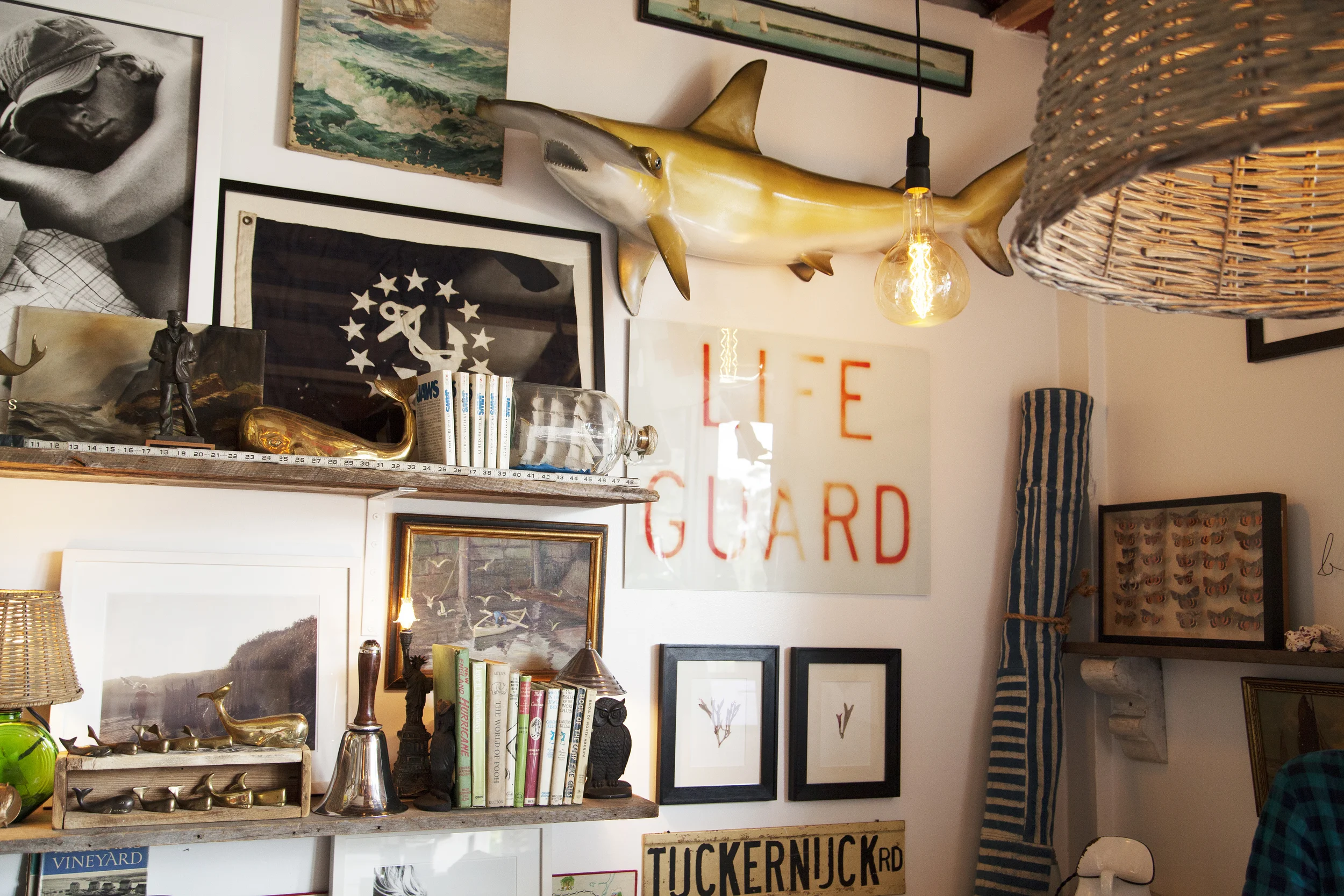
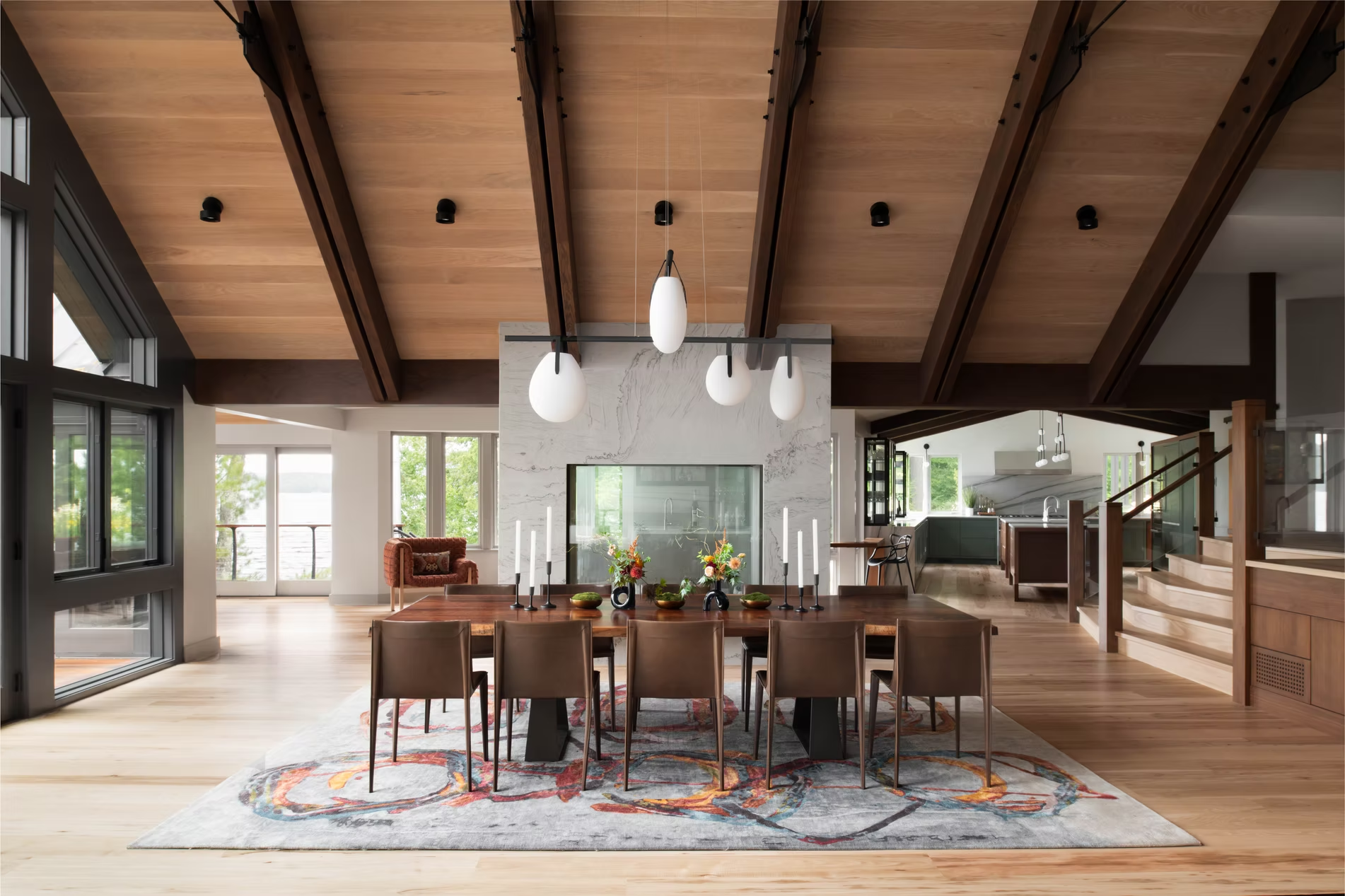
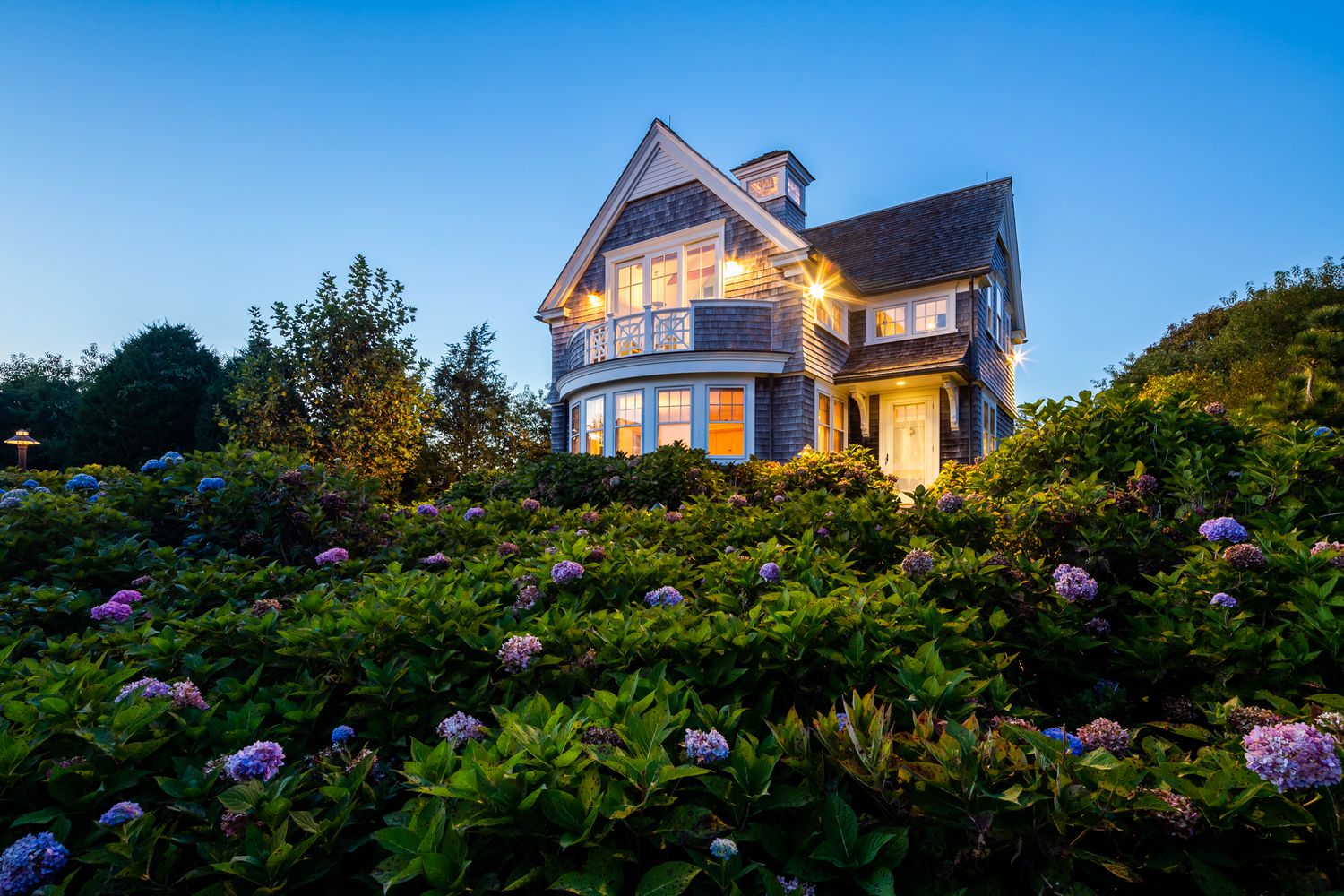
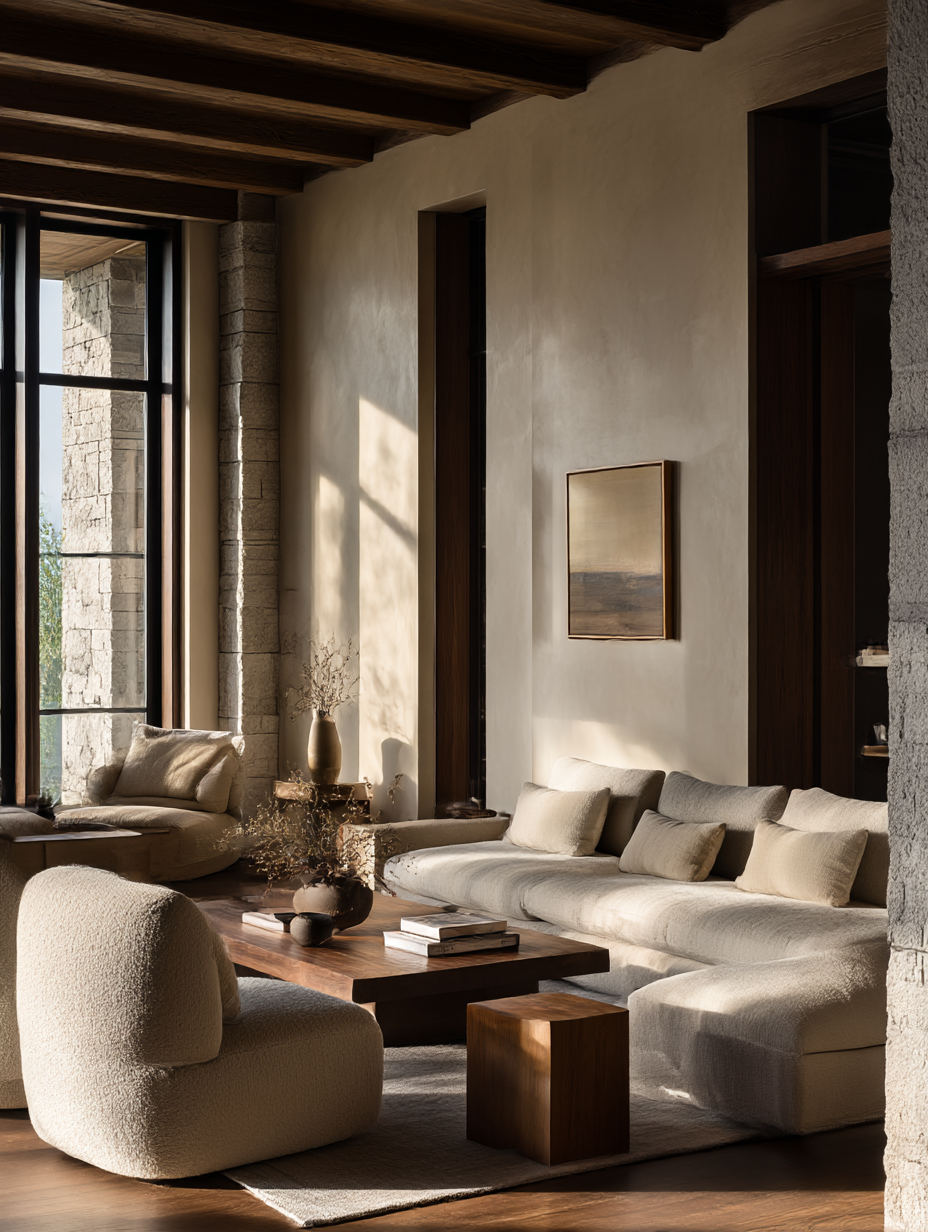
The more intentional a home becomes—architecturally, emotionally, experientially—the harder it is to compare it fairly inside a grid. A design-led cabin doesn’t compete with the unit next door. It exists in its own category.
For owners who have invested deeply in design and atmosphere, being flattened into thumbnails often undermines the very value they created.
That’s why many of the homes featured on Locèlle are discovered through story first, not search results (Explore Homes).
Algorithms Reward Volume, Not Intention
Platforms are designed to optimize for:
- Occupancy
- Price competitiveness
- Response speed
They’re not designed to reward restraint, pacing, or emotional clarity.
As algorithms increasingly shape visibility, homes that don’t fit a predictable pattern are quietly deprioritized. The result is a paradox: the more unique a home is, the harder it can be to surface in a system built for sameness.
This is where editorial curation becomes essential—not as a replacement for platforms, but as a counterbalance (Browse the Journal).
Travelers Are Actively Seeking Alternatives
The shift isn’t only owner-driven.
Travelers are increasingly frustrated by:
- Endless scrolling
- Inconsistent quality
- Listings that feel nothing like their photos
What they’re seeking instead is context. Story. A sense that someone has already filtered for care.
That’s why travelers spend more time with homes that come with narrative—why they were built, how they’re used, what kind of stay they support. These are the questions platforms don’t answer well, but editorial spaces do.
Many of these stories surface most clearly through owner perspectives themselves (Read Owner Stories).
Visibility Is Being Replaced by Alignment
The old goal was exposure.
The new goal is fit.
Design-led homeowners are realizing that fewer, better-aligned guests lead to:
- Higher satisfaction
- Less wear on the home
- Better long-term returns
Being “everywhere” is no longer the win it once was. Being understood is.
This is why more premium homes are choosing selective visibility—appearing in spaces that value context over conversion.
Direct Booking Is a Byproduct, Not a Strategy
When a home is discovered through story and intention, direct booking often follows naturally.
Not because it’s cheaper—but because it feels appropriate.
Travelers who understand a home are less likely to treat it transactionally. Owners who attract those guests don’t need to compete on urgency or discounts. Trust does the work instead.
Direct booking, in this context, isn’t about bypassing platforms. It’s about reclaiming relationship.
What This Means for the Future of Travel
The best vacation homes aren’t disappearing.
They’re just becoming more deliberate about where they show up.
As travel continues to mature, we’ll see a clearer divide:
- Marketplaces for scale
- Editorial platforms for meaning
Both can coexist. But the homes that stand the test of time will be the ones that choose alignment over exposure.
The future of travel isn’t about finding more places.
It’s about finding the right ones.
And increasingly, those homes aren’t hiding in plain sight.