
Why Wellness Travel Is a Smart Business for Homeowners
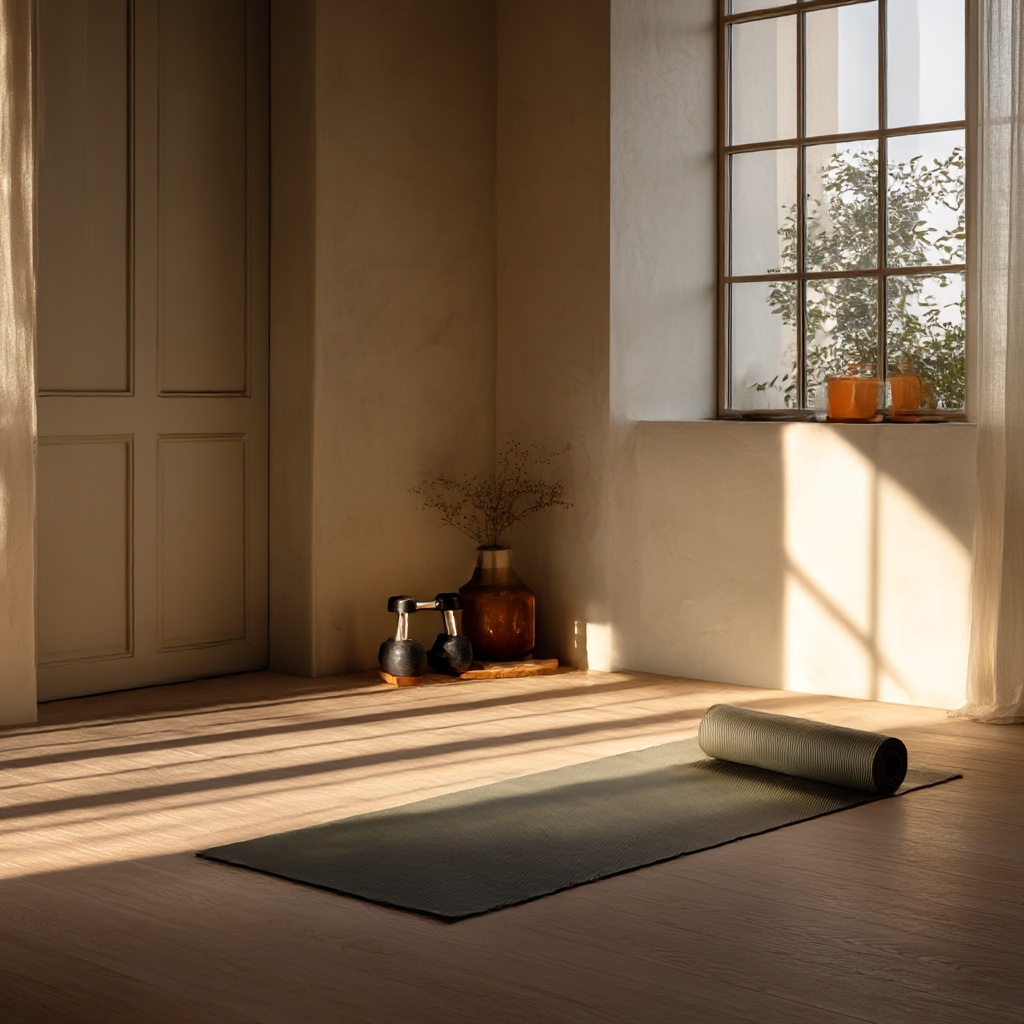

By 2030, one in three travelers will choose where they stay based purely on wellness.
That doesn’t mean cold plunges in every backyard or a sauna in every spare room. It means something quieter — and far more attainable for most homeowners.
Wellness travel is shifting away from resorts and toward homes that simply feel good to be in. Homes that help guests sleep better, slow down, and settle into a rhythm that feels restorative. And for owners, this shift presents an opportunity: not to renovate endlessly, but to reposition thoughtfully.
At Locèlle, we see it already. The homes that perform best aren’t the most expensive or the most over-designed. They’re the ones that understand how people want to feel when they arrive.
Wellness Isn’t an Amenity — It’s an Experience
For today’s traveler, wellness isn’t a checklist. It’s not a gym pass or a branded robe. It’s the feeling of exhaling the moment you close the door.
For homeowners, this is good news. Because experience scales better than amenities.
A home that prioritizes calm, light, and comfort can often command higher nightly rates and attract longer stays — without the upkeep, liability, or cost of traditional “wellness features.”
Sleep Is the New Luxury
One of the most overlooked revenue drivers in short-term rentals is sleep.
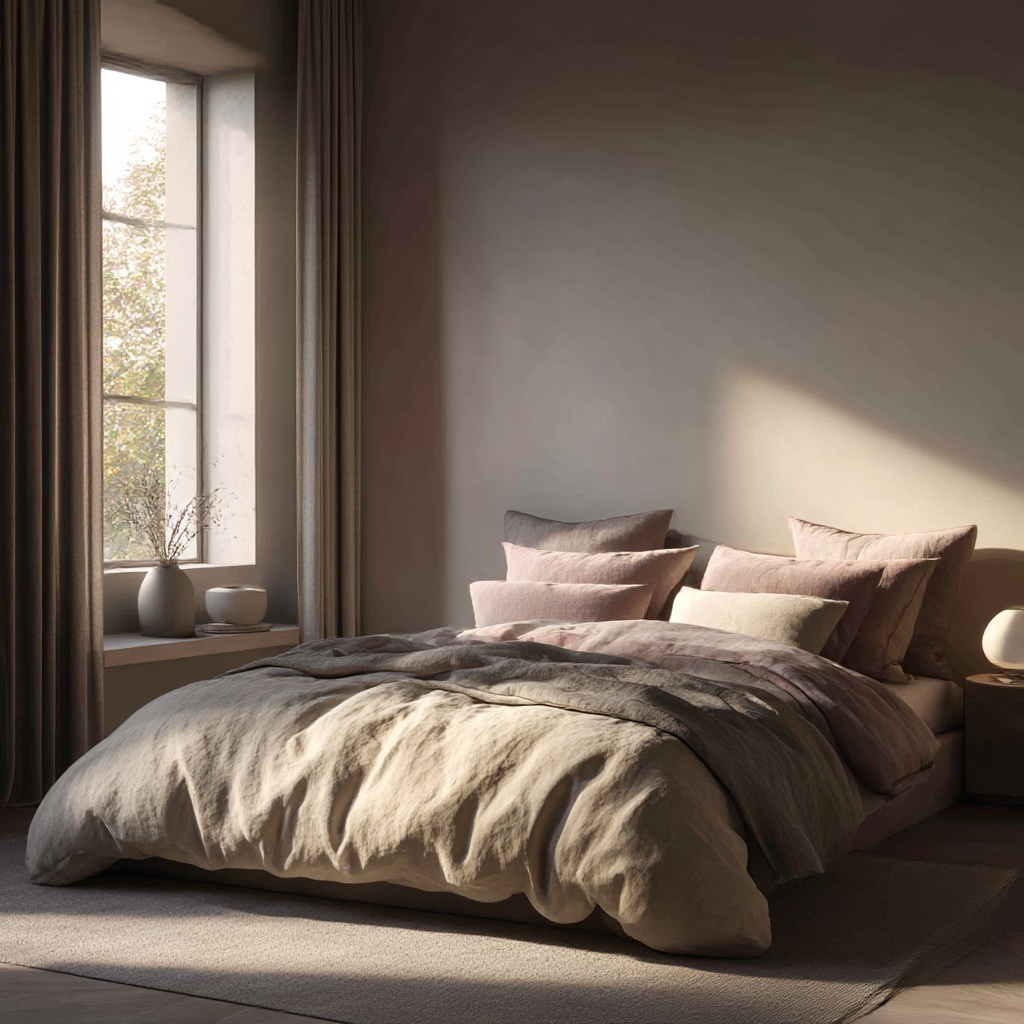
Guests remember how they slept more than almost anything else. Investing in high-quality mattresses, proper blackout curtains, layered bedding, and soft, intentional lighting pays off quickly — not just in reviews, but in repeat bookings and word-of-mouth.
Wellness travelers don’t mind paying more for a place where they wake up rested.
Design That Slows People Down
Wellness-oriented homes aren’t sparse — they’re considered.
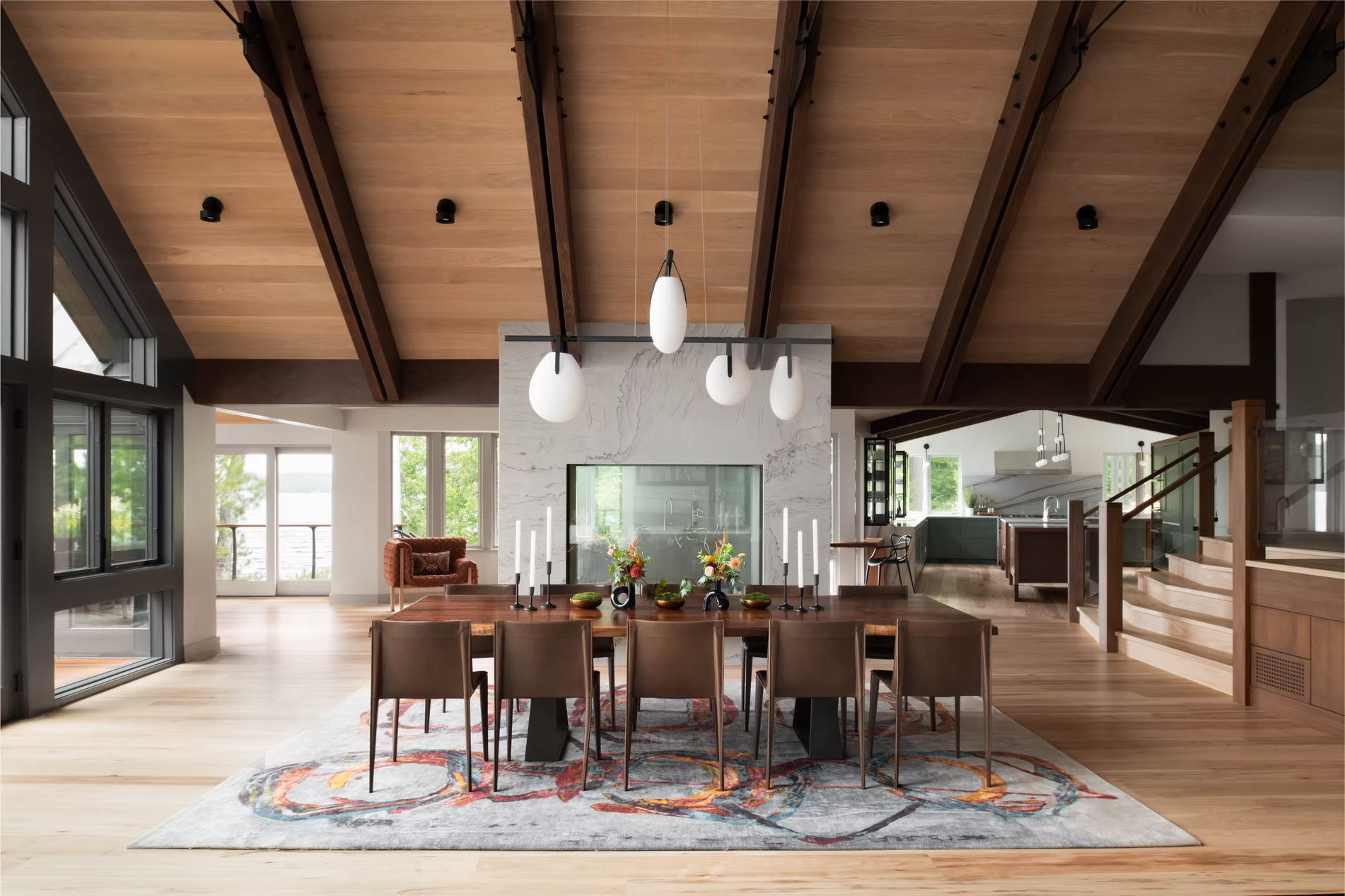
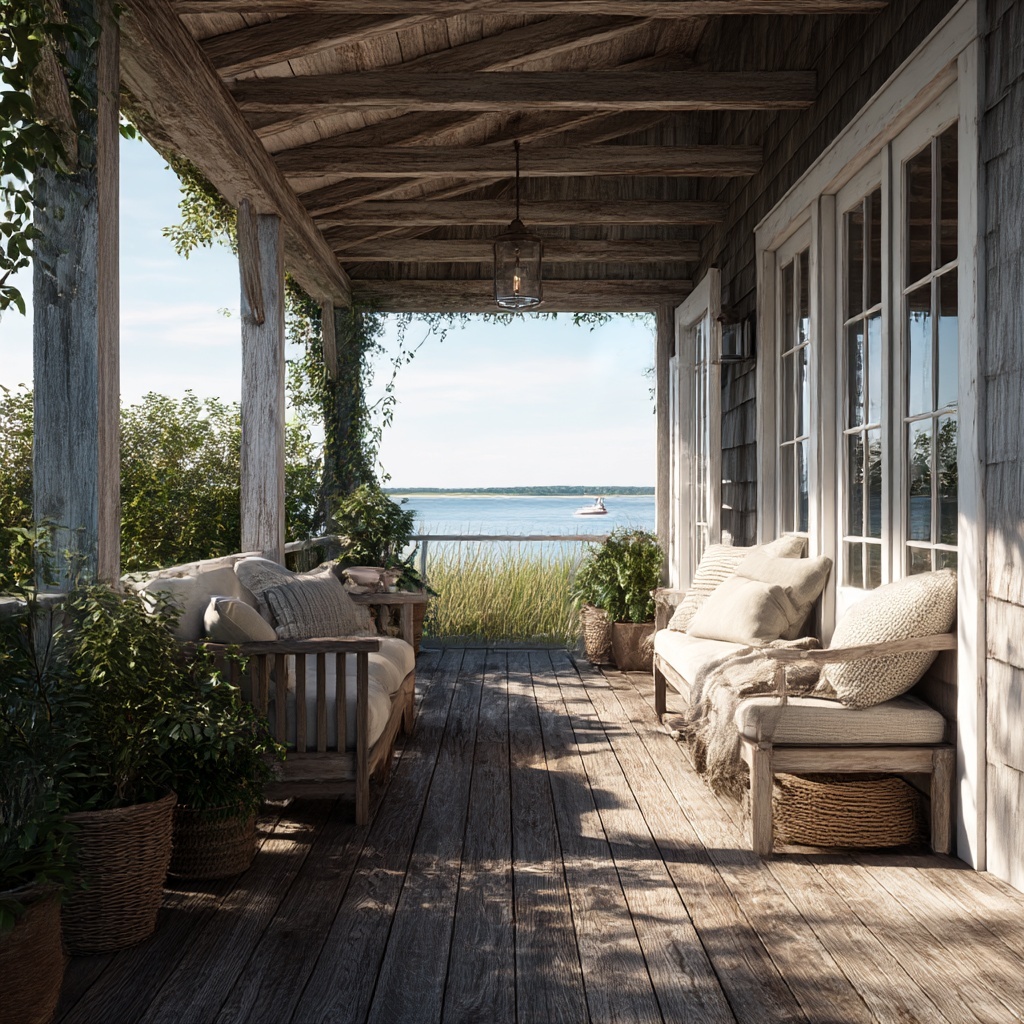
Natural materials, fewer but better objects, and layouts that feel intuitive all contribute to a sense of ease. These homes photograph beautifully, but more importantly, they feel cohesive when lived in for a few days or weeks.
When guests feel grounded, they stay longer. When they stay longer, owners earn more — often with less turnover.
Movement Without a Gym
You don’t need a full fitness setup to support wellness-minded guests.
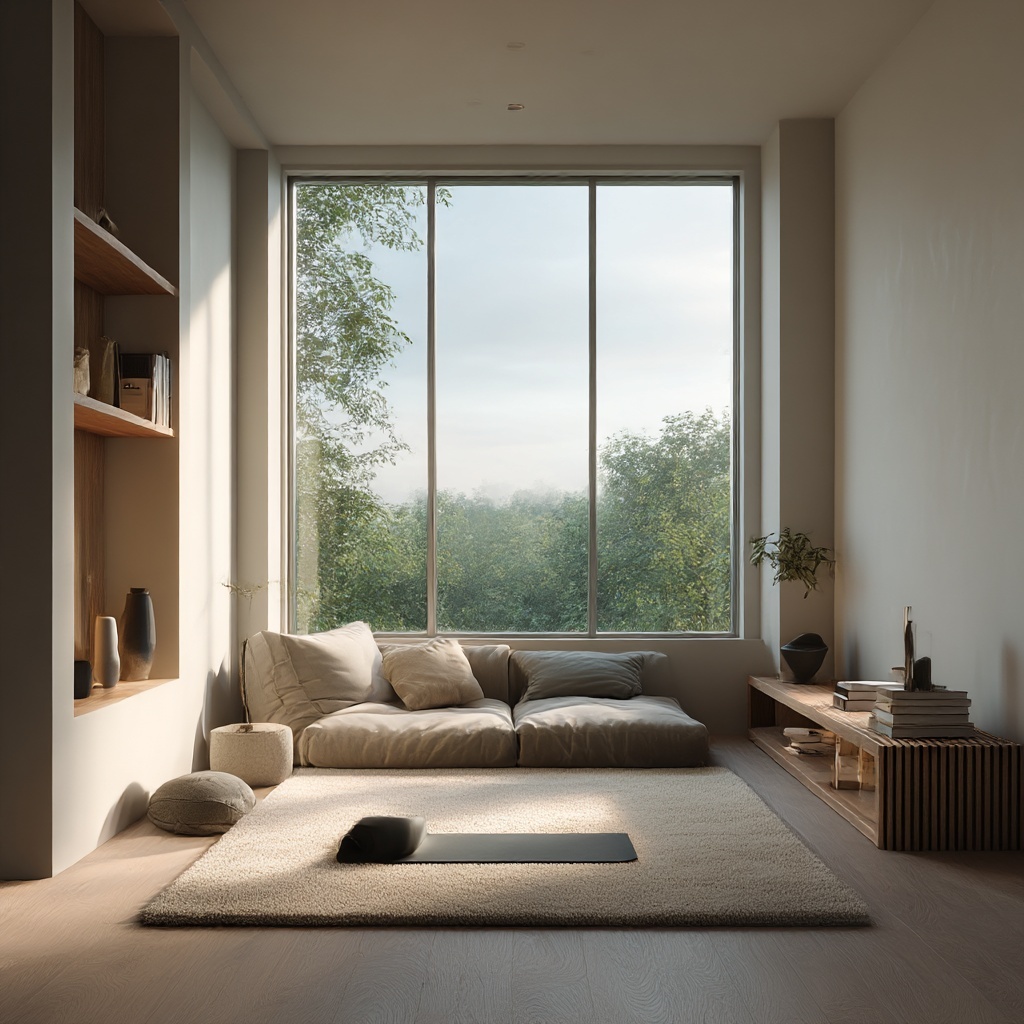
A quiet corner for stretching, a yoga mat, or a simple guide to nearby trails, swims, or walking routes is often enough. What guests want isn’t equipment — it’s permission to move gently and on their own terms.
Wellness is about access, not intensity.
The Role of Food and Ritual
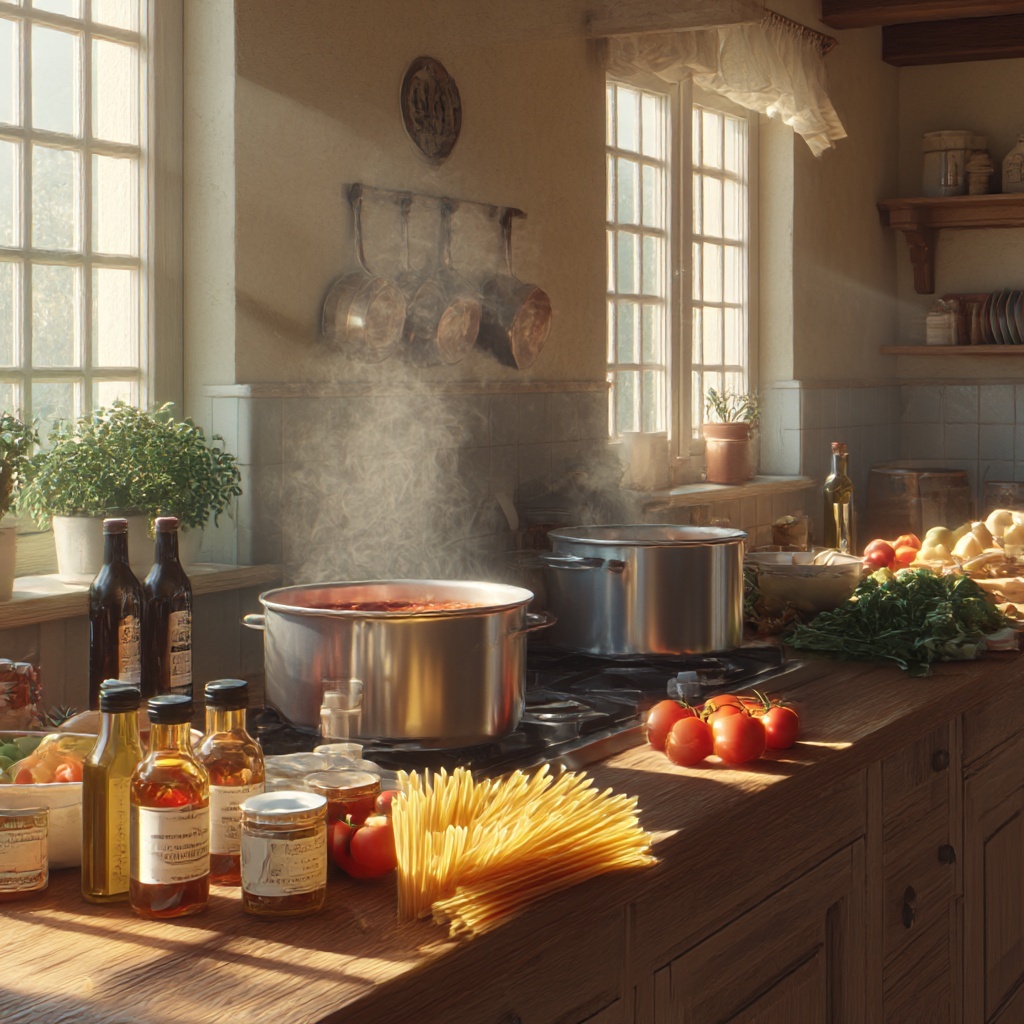
Wellness travelers cook more. They linger over breakfast. They care about where ingredients come from.
Homes with beautiful, functional kitchens naturally support this rhythm. A few thoughtful recommendations — a favorite baker, a local farm stand, a nearby market — elevate the stay without adding cost.
This kind of hospitality feels personal, and personal stays are remembered.
Stillness Is an Asset
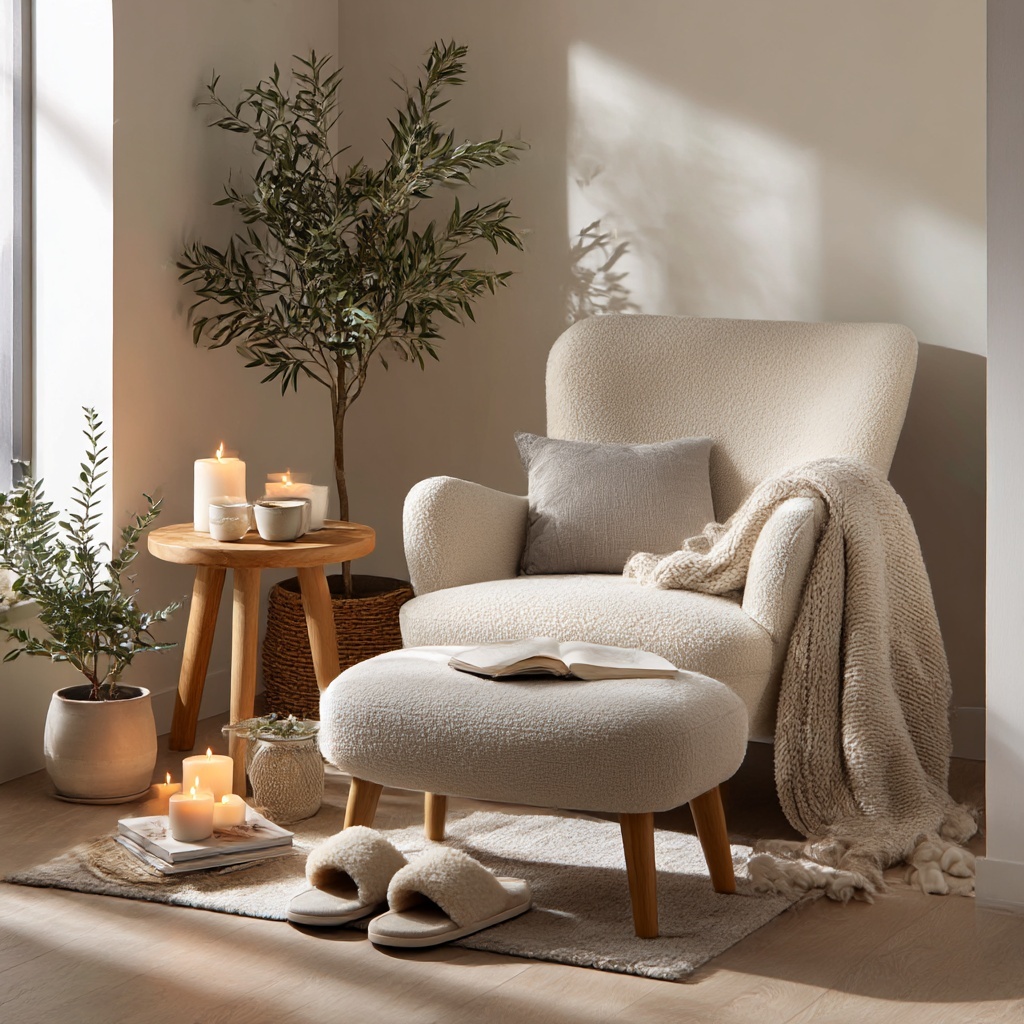
Quiet, privacy, and a sense of retreat are increasingly rare — and increasingly valuable.
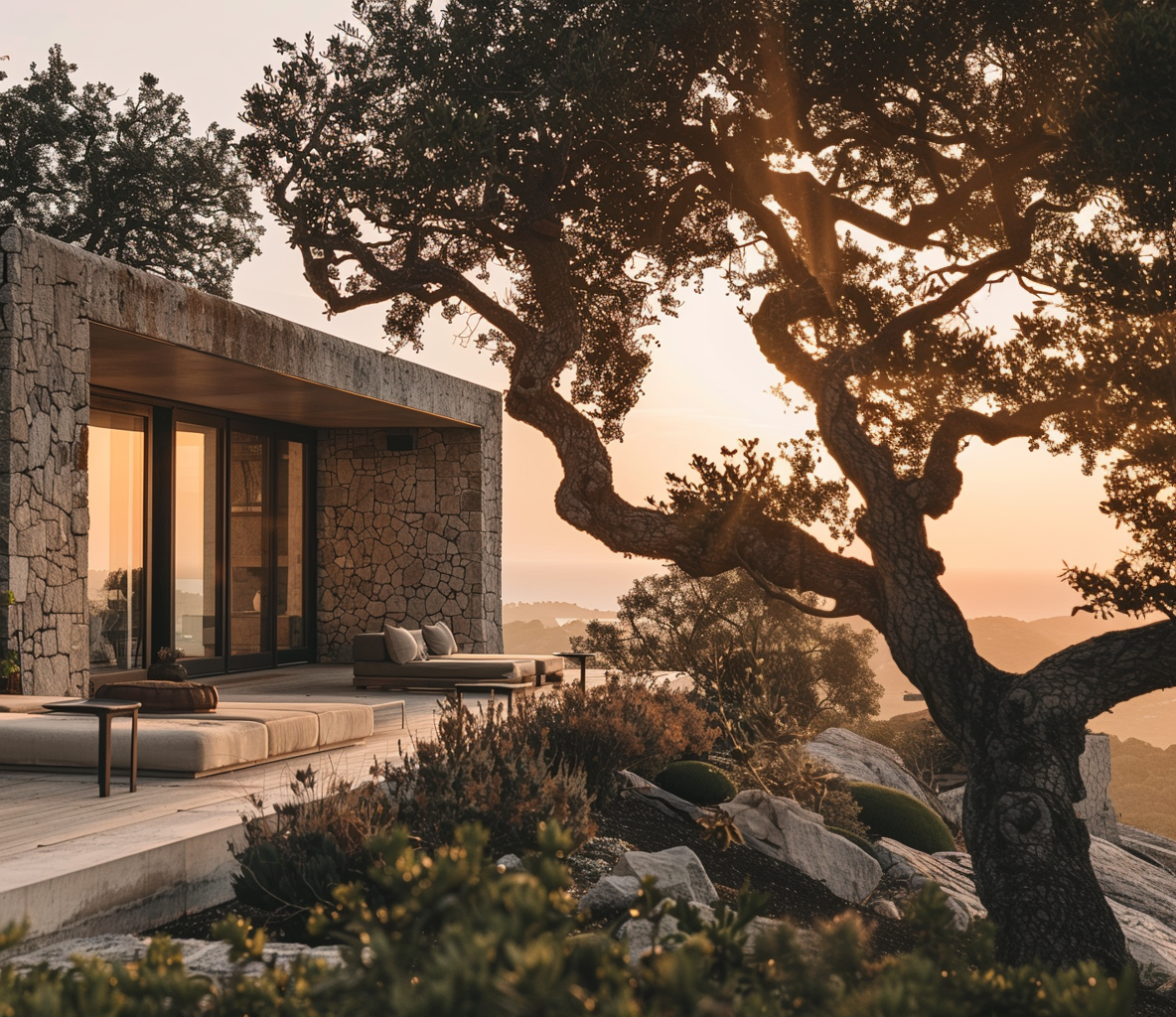
For homeowners, leaning into stillness means resisting the urge to oversell. Let the light, the view, the silence, or the architecture speak for itself. Guests seeking wellness don’t want stimulation. They want space.
And they’re willing to pay for it.
Where Locèlle Fits In
Locèlle doesn’t promote wellness as a trend. We curate homes that naturally support it.
Homes that feel intentional. Homes that reward slowing down. Homes that attract guests who respect the space — and stay a little longer because of it.
For homeowners, this means earning more not by adding more, but by aligning with how travel is changing.
If your home already feels good to be in, there’s a guest looking for it.
And Locèlle exists to help them find you.