

What Makes a Vacation Rental Worth Listing — And Why Locèlle Exists


Most vacation rental owners arrive at the same realization eventually. The platform works — guests come, reviews accumulate, the calendar fills. But something is missing. The guests who leave a five-star review do not always understand what they stayed in. The story of the house goes untold. The design decisions, the materials sourced over months, the view that changes with the light — none of it makes it into the booking flow. The home becomes a product. The owner becomes a host rating.
For a certain kind of property, that is not enough.
The Problem with Mass Platforms
Airbnb and VRBO were built to solve a logistics problem: connecting travelers with available space at scale. They are extraordinarily good at that. But scale requires standardization, and standardization is the enemy of specificity. On a platform with seven million listings, your home is one data point in a search result. Its worth is measured in star ratings and response time percentages.
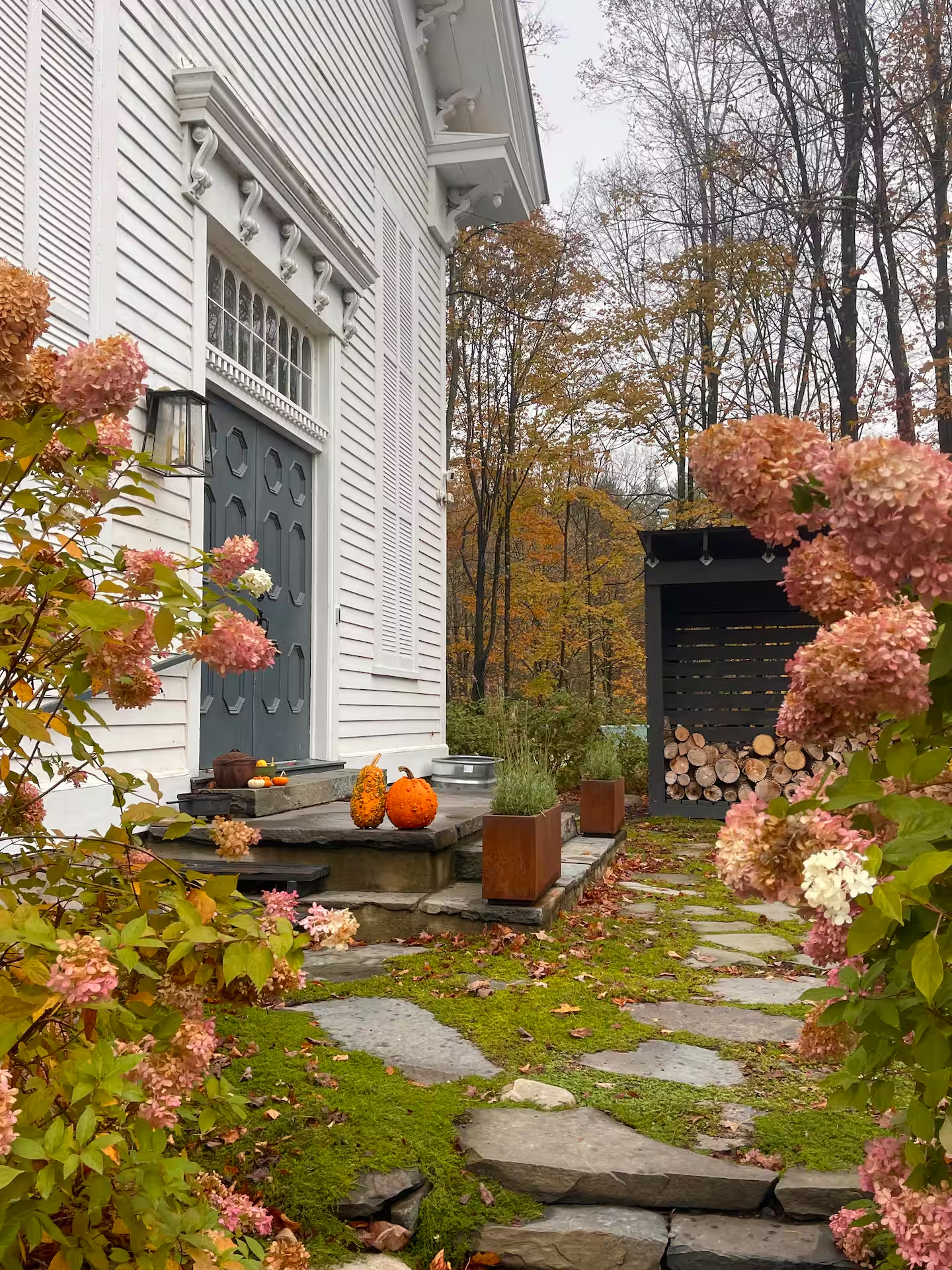
The homes that suffer most under this model are the ones with the most to offer. A converted 19th-century schoolhouse in upstate New York. A Japandi-designed treehouse in the pines above Los Angeles. A Georgia log cabin built by a designer over four years, shaped by memory and by land. These homes do not compete on price. They compete on feeling — on the particular quality of light through the windows, on the way the creek sounds before you reach the door.
You cannot put that in a search filter.
What Direct Booking Actually Means for Owners
Direct booking is not simply a way to avoid platform fees, though that is a meaningful benefit. On Airbnb, hosts pay approximately 3% per booking; on VRBO, between 5% and 8%. Over a full season, those fees represent thousands of dollars paid to an intermediary for introducing guests you could have reached yourself.
But the deeper value of direct booking is relational. When a guest books directly, they come to you. They have sought you out, read your story, understood your home before they arrive. They are more aligned with the experience, more respectful of the space, and more likely to become the kind of guest who returns — and who tells others.
The platform guest is a stranger who found you through an algorithm. The direct booking guest is someone who chose you deliberately.
What Locèlle Is — and Is Not
Locèlle is not a booking engine. We do not process payments, manage calendars, or sit between you and your guest. Our role is purely editorial: we discover homes, tell their stories, and make the introduction.
What we do offer:
A listing built for you. You provide photos and details. We design the full presentation — layout, copy, curation, and context. Your home is shown as it deserves to be, not as a form-filled data entry.
An audience that understands design. Locèlle attracts a specific kind of traveler: architects, designers, creatives, founders, and thoughtful people who choose where they stay the way they choose what they wear. They are not searching for the cheapest option. They are looking for the right one.
No booking fees — ever. Locèlle does not take a commission, a service charge, or a percentage of your bookings. Our role is introduction, not transaction.
Your story, told properly. Every listing on Locèlle is accompanied by editorial content — a Journal piece that tells the story of the home, the owner, and the decisions that shaped the space. This is not marketing copy. It is genuine editorial, written with care, and it lives on the site permanently.
Full control. Your exact address remains private until you choose to share it. Guests contact you through your preferred method — email, your booking site, WhatsApp, or whatever works best. You manage everything that follows.
What We Look For
Locèlle is a curated collection, not a marketplace. Not every home submitted will be the right fit — and that selectivity is what makes the collection worth being part of.
When we review a submission, we are looking at several things:
Design integrity. The home should have a point of view. That does not mean it needs to be the work of a professional designer — some of the most compelling homes on Locèlle were built by their owners over years, with accumulated care rather than a single design intervention. What it does mean is that the space should feel considered. Nothing arbitrary. Nothing purely functional without aesthetic intention.
Photography quality. We cannot tell your home's story with poor images. Natural light, honest framing, and photographs that capture the atmosphere of the space rather than just its dimensions. If your current photography is not yet at that level, we will tell you honestly and help you understand what would make it right.
The guest experience. A beautiful home that functions poorly is not the right fit for Locèlle. We look for clarity of communication, reasonable policies, and evidence that guests have been genuinely well looked after.
The story. Every home accepted into Locèlle has something to say. A history, a design decision, a landscape, an owner whose perspective shaped the space. If you can articulate that — even roughly — we can build it into something lasting.
The Homes Already on Locèlle
To understand what we are building, it helps to look at what is already here.
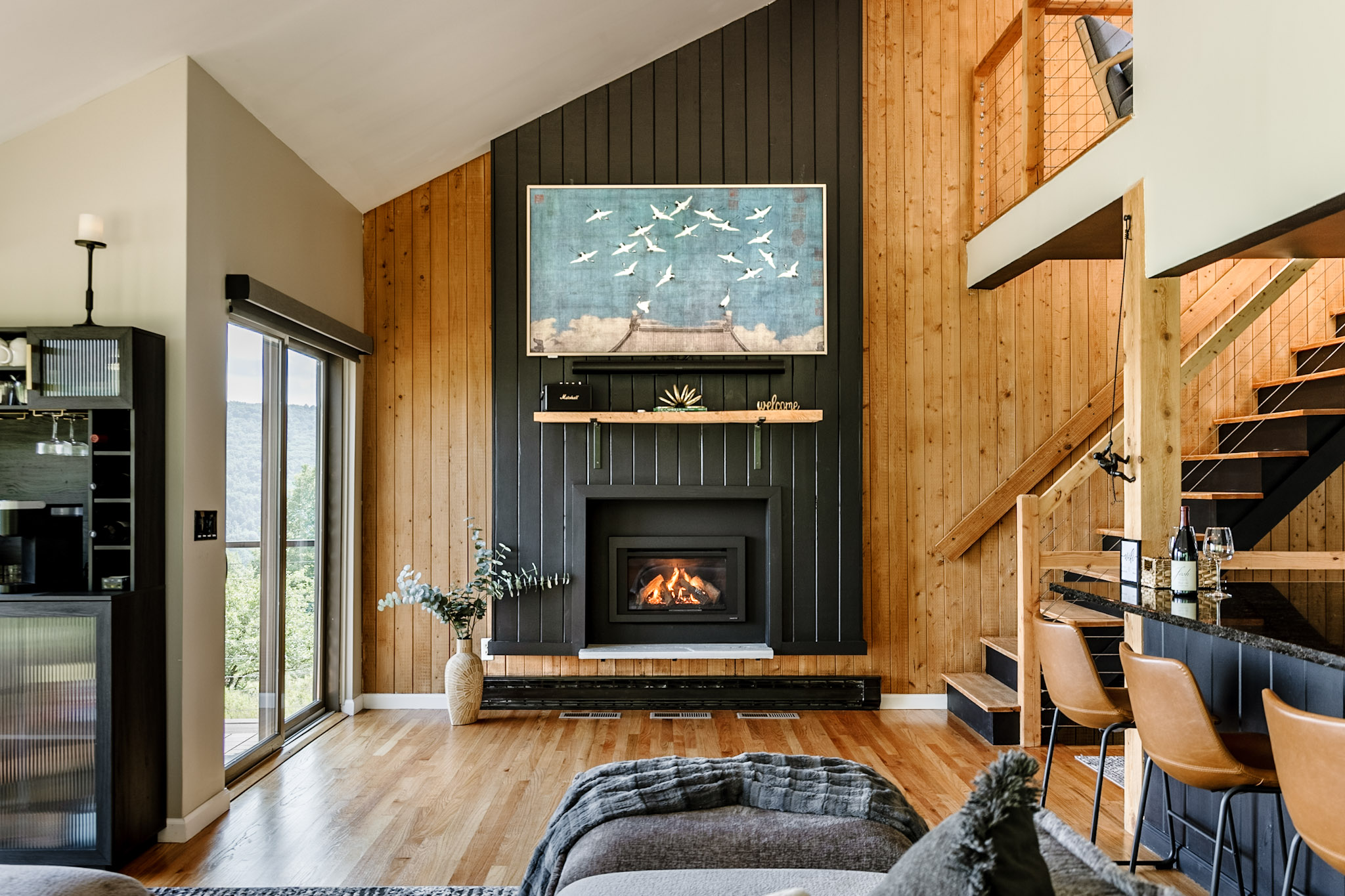
Sea Roost in Montauk is a two-bedroom house shaped by a long love of the East End — spare, sun-filled, unhurried. The Wheatland Schoolhouse is a restored 19th-century one-room schoolhouse in upstate New York, brought back to life by its owners with extraordinary attention to its original character. Yamagoya Cabin in Roxbury, New York is a Japanese-inspired mountain retreat built on restraint, silence, and the considered placement of every element.
These homes share almost nothing in style. What they share is intention. Each one was built — or restored, inherited, or reimagined — by someone who cared deeply about the result.
That is what Locèlle is for.
How to Get Started
The process is deliberately simple. Share your photos, a short description of the home, your preferred contact method, any existing listing links, and your general location. We review every submission personally, respond within a few days, and if your home is a good fit, we build the listing and the editorial content for you.
There is no cost during our founding collection phase. When pricing formally launches, you will have the option to choose the level of presence that suits you.
Submit your home to Locèlle — and let us help you tell its story to the people who will understand it.
Frequently Asked Questions
Is it really free to list?
Yes, during our founding collection phase. Listing is free, and Locèlle never takes a commission on bookings.
Do I have to leave Airbnb or VRBO?
No. Many Locèlle owners list across multiple platforms. We simply add a curated, fee-free channel to your existing presence — one that attracts a different kind of guest.
What if my photography isn't good enough yet?
We will tell you honestly, and we can advise on what would make it right. We would rather wait for the right images than list a home that is not shown at its best.
Who writes the listing copy?
We do. You provide the details; we handle the presentation.
How do guests book?
Through whatever method you prefer — your own booking site, Airbnb, direct email, or WhatsApp. Locèlle makes the introduction; the booking is yours to manage.
Read our full FAQ for more on how Locèlle works.
Locèlle is a curated directory of design-forward vacation rentals. Every home is personally reviewed before listing. We connect design-literate travelers directly with owners — no booking fees, no platform markup, no compromise on quality.
Explore the collection · List your home · Read The Journal



Discover homes worth traveling for
Join the Locèlle newsletter for design-led stays and off-market finds
Get on the list
Discover homes worth traveling for
Join the Locèlle newsletter for design-led stays and off-market finds
Get on the list