

The Best Airbnb Photographers and What They Do Differently
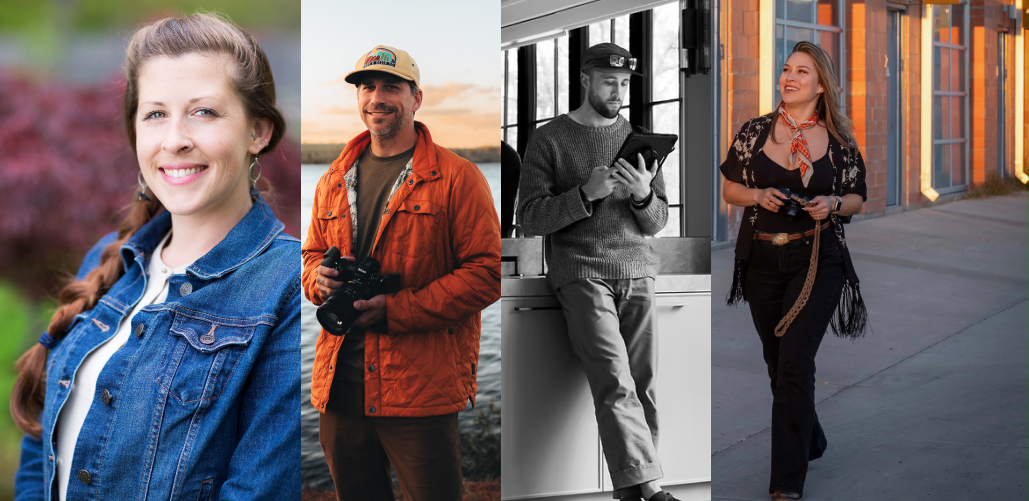

The First Thing Guests Notice Isn’t the Price
Why photography is the most important investment a short-term rental host can make — and what it actually takes to get it right.
There are roughly 1.7 million active vacation rental listings in the United States. Whether someone is searching for a weekend in the Catskills, a cabin in Georgia, or a coastal retreat in Maine, they will scroll through dozens of options in seconds before deciding where to pause.
Most listings never make it past that moment.
Not because they aren’t beautiful homes. Not because they lack amenities. But because nothing in the first image makes a guest feel something.
What makes someone stop scrolling is not logic. It is recognition. A sense of atmosphere. A feeling that something behind the image is worth stepping into.
And that moment is almost entirely determined by photography.
The Photograph Is the First Experience of a Home
Before a guest reads a description, checks reviews, or compares pricing, they encounter a single frame.
That frame either opens a door or closes it.
A well-designed home photographed without intention becomes indistinguishable from every other listing. The architecture disappears. The interior choices disappear. What remains is a generic room in a crowded feed.
Great photography does not simply document a space. It translates it.
It carries atmosphere across distance. It turns light, texture, and composition into an emotional signal that says: this place is worth your attention.
Why This Matters More Than Ever
The short-term rental market has matured. Guests now understand, often instinctively, the difference between images taken quickly and images made with intent.
As the visual bar rises, listings that fail to meet it quietly lose visibility — not because their homes are lacking, but because their stories are not being communicated.
The data reflects this shift. Listings with professional photography consistently outperform others, earning higher nightly rates, more bookings, and better search performance. Airbnb reports that hosts who invest in professional photography see an average increase in earnings of around 21% and a 19% uplift in bookings, with many recouping the cost in a single night.
But for design-led homes, especially those that rely on direct bookings rather than platform algorithms, photography carries even more weight.
There is no recommendation engine to compensate. No curated placement to rescue weak visuals. The photograph becomes the entire storefront.
What Great Vacation Rental Photography Actually Requires
Not all photographers understand hospitality spaces. And not all hospitality photographers understand design-led homes.
Traditional real estate photography prioritizes speed, volume, and clarity. It is functional by design: wide shots, bright exposures, neutral composition. It shows a property efficiently.
But design-forward homes are not efficient spaces. They are experiential ones.
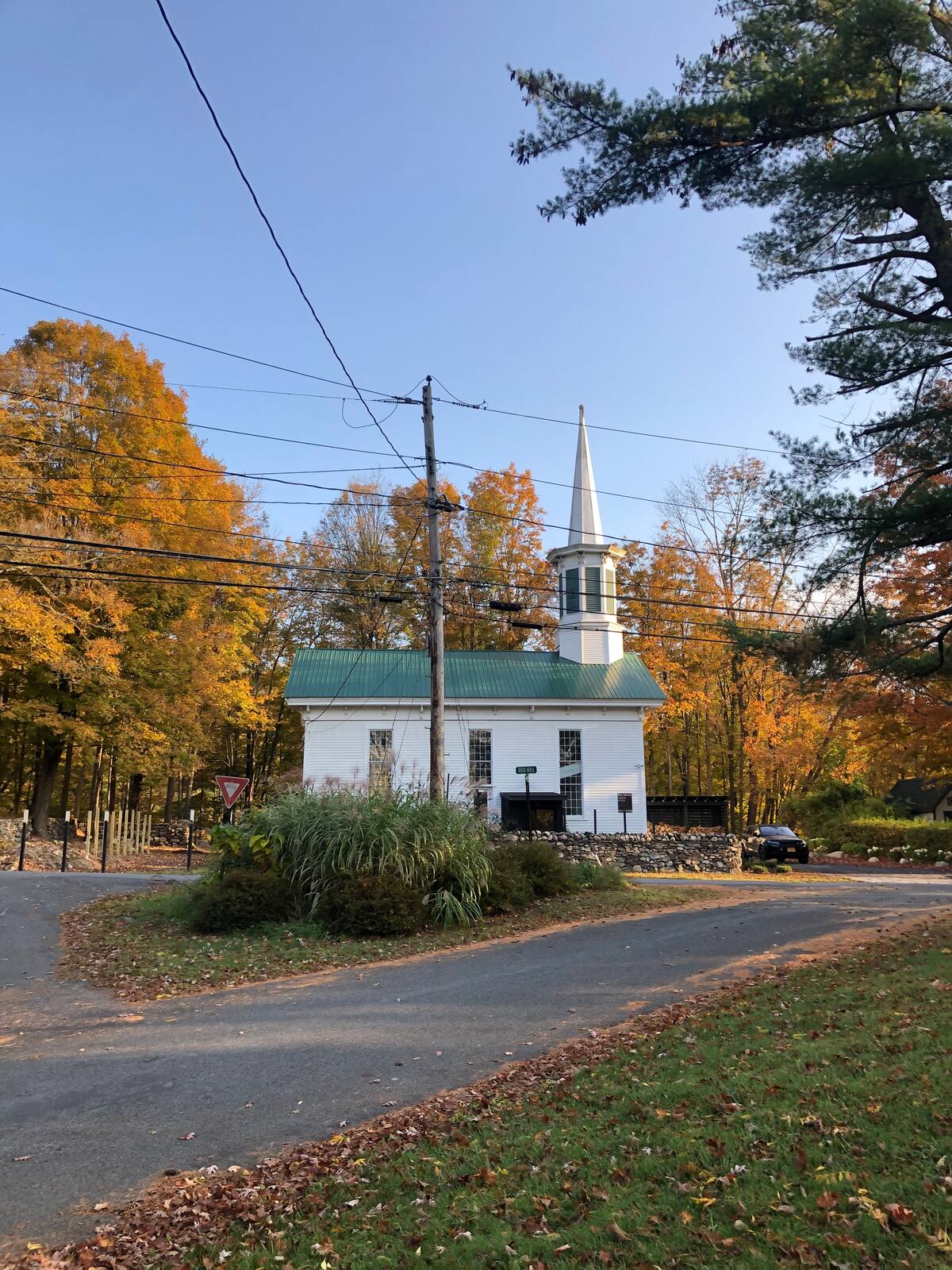
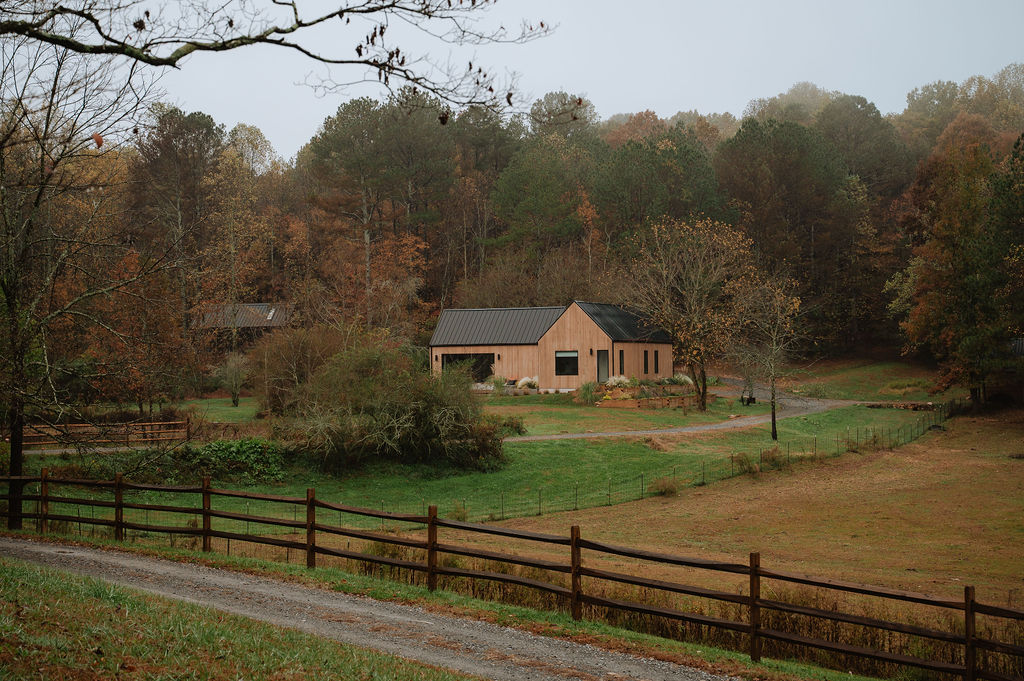
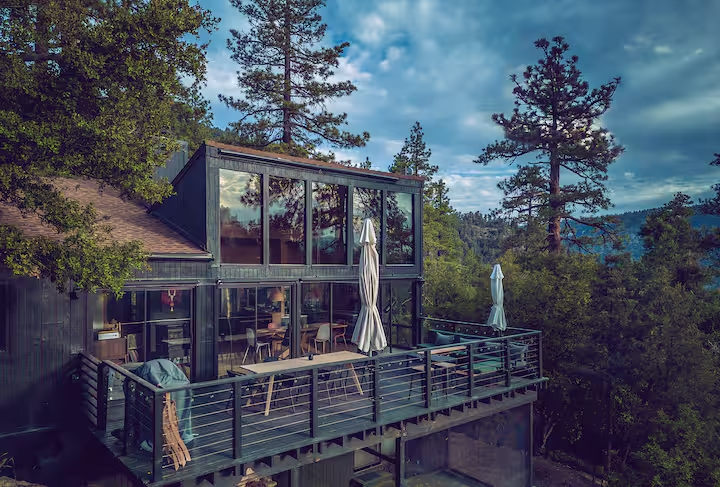
A converted church in the Catskills, a Japanese-inspired cabin in the Hudson Valley, a coastal home shaped by light and wind — these places require more than documentation. They require interpretation.
This is where photographers like Matt Hildreth stand out.
Matt’s work is rooted in atmosphere. Based in Coastal Virginia and traveling wherever the work leads, he approaches each space as something to be experienced rather than recorded. His focus is not on capturing everything, but on capturing what it feels like to be there.
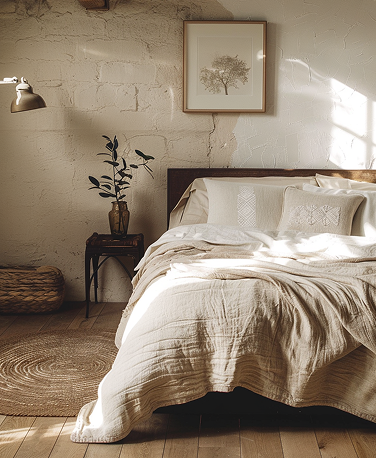
He often works beyond the obvious hero shot, finding instead the quieter frames: morning light on a breakfast table, texture in aged materials, the pause between moments that suggests life is already happening inside the space.
His philosophy is simple but uncommon: the best images are the ones that make you feel like you’ve already arrived.
You can read his full feature here: full feature in the Locèlle Journal
What the Best Photographers Do Differently
Across the most effective hospitality photographers, a few shared principles emerge.
They think in sequences, not individual images
A gallery should not feel like a collection. It should feel like a progression.
An opening image sets tone. Supporting frames expand context. Details slow the viewer down. Together, they form a narrative that mirrors how a guest would actually experience the space.
They understand light as structure, not decoration
Light is not something added in post-production. It is the foundation of the image itself.
The direction, softness, and timing of natural light determine whether a room feels flat or dimensional. The best photographers wait for it, shape around it, and sometimes design the shoot around it entirely.
They shoot experience, not inventory
A room on its own is information. A room with context becomes imagination.
A breakfast table set for two, a fire burning at dusk, a reading corner in morning light — these are not staging tricks. They are invitations.
They allow a guest to project themselves into the space.
They understand restraint
More images do not equal better storytelling.
A tight, intentional set of photographs will always outperform a large, unfocused gallery. The strongest photographers know what to leave out.
The Photographers We’ve Come to Trust
At Locèlle, we’ve worked with photographers who understand that hospitality imagery is not about documentation — it is about translation.
Each brings a distinct perspective, but all share a commitment to capturing not just how a home looks, but how it lives.
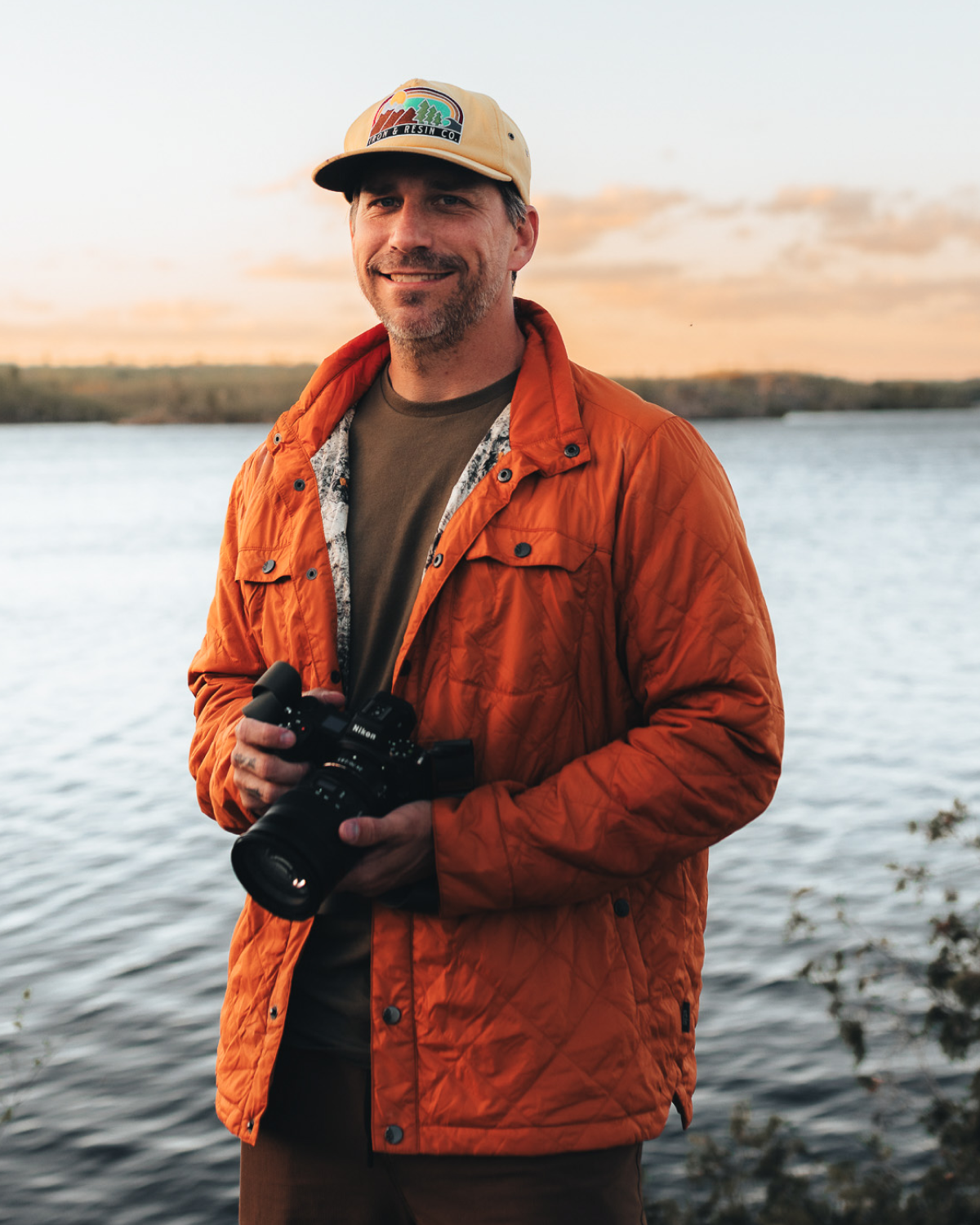
Matt Hildreth — Matt brings a cinematic sensitivity to hospitality photography, shaped by a deep attention to atmosphere and natural light. His work is defined by restraint and intention, often focusing on the subtle, lived-in moments that give a home its emotional weight. Rather than overwhelming a viewer with information, his images slow them down. They invite presence. For design-led homes, this approach creates photography that feels less like marketing and more like memory.
You can read his full feature here: full feature in the Locèlle Journal
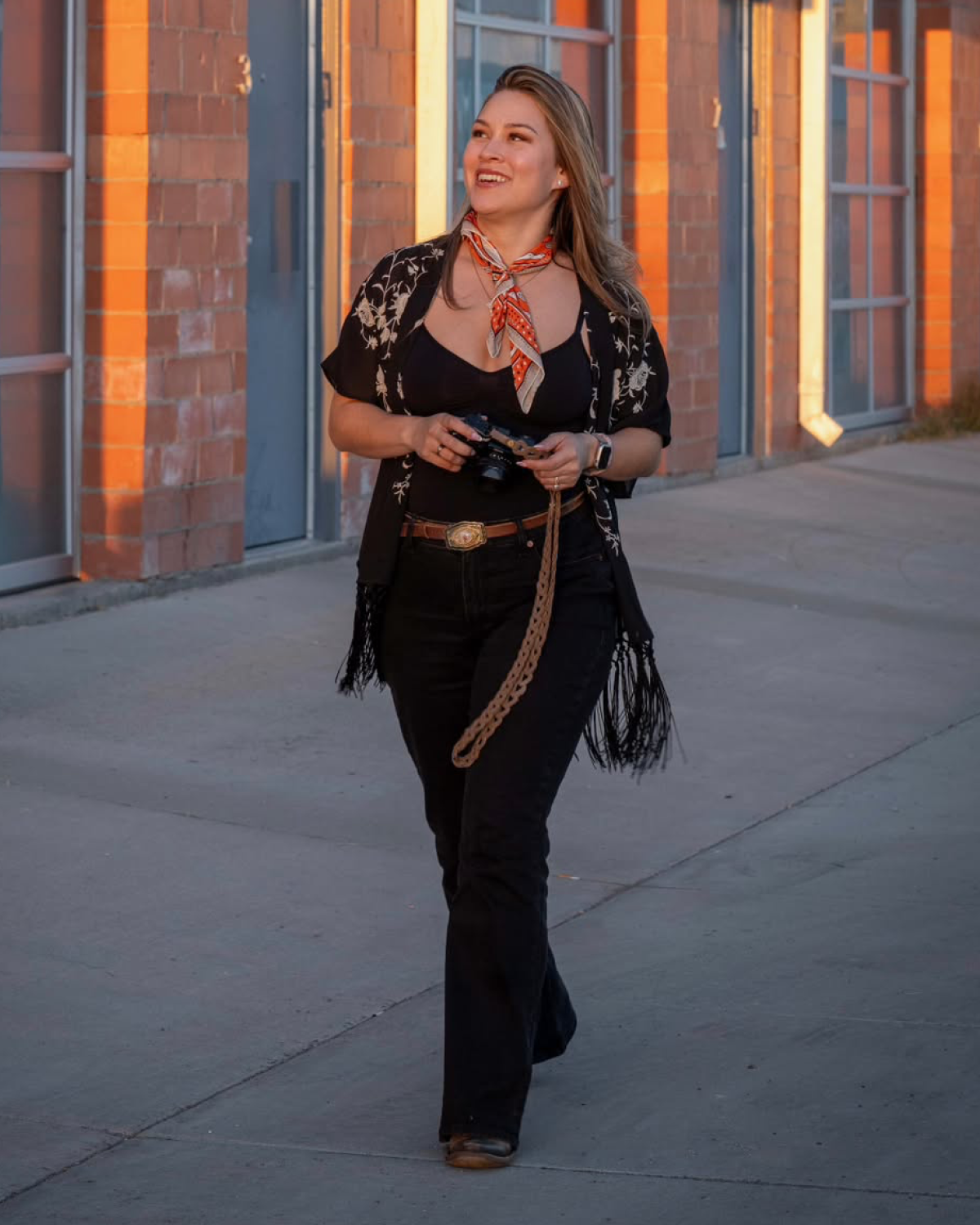
Cheyenne Crawford — Atlanta-based and regional lead at Infinite Views, Cheyenne approaches a shoot like a composer structuring a score. She builds galleries in sequences: a defining hero image, followed by layered compositions that expand tone and narrative. Her work is rich in shadow and texture, with a disciplined visual rhythm that guides the viewer through the space without distraction.
Read her full feature in the Locèlle Journal: full feature in the Locèlle Journal
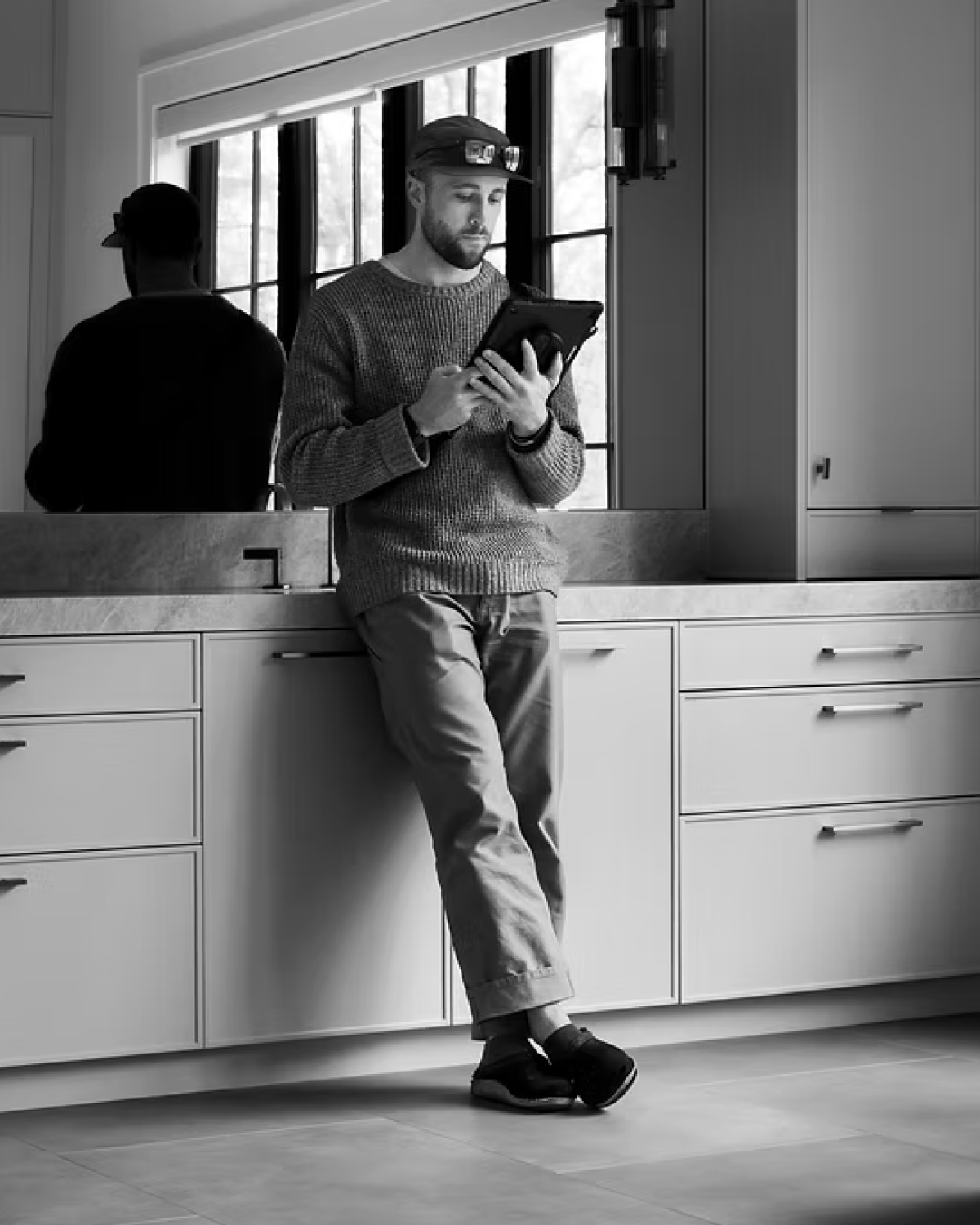
James Reed — James brings precision and preparation to architectural photography. His images feel immediate yet carefully constructed, balancing technical clarity with a strong sense of presence. His work rewards slow attention — details reveal themselves gradually, rather than all at once.
Read his full feature in the Locèlle Journal: full feature in the Locèlle Journal
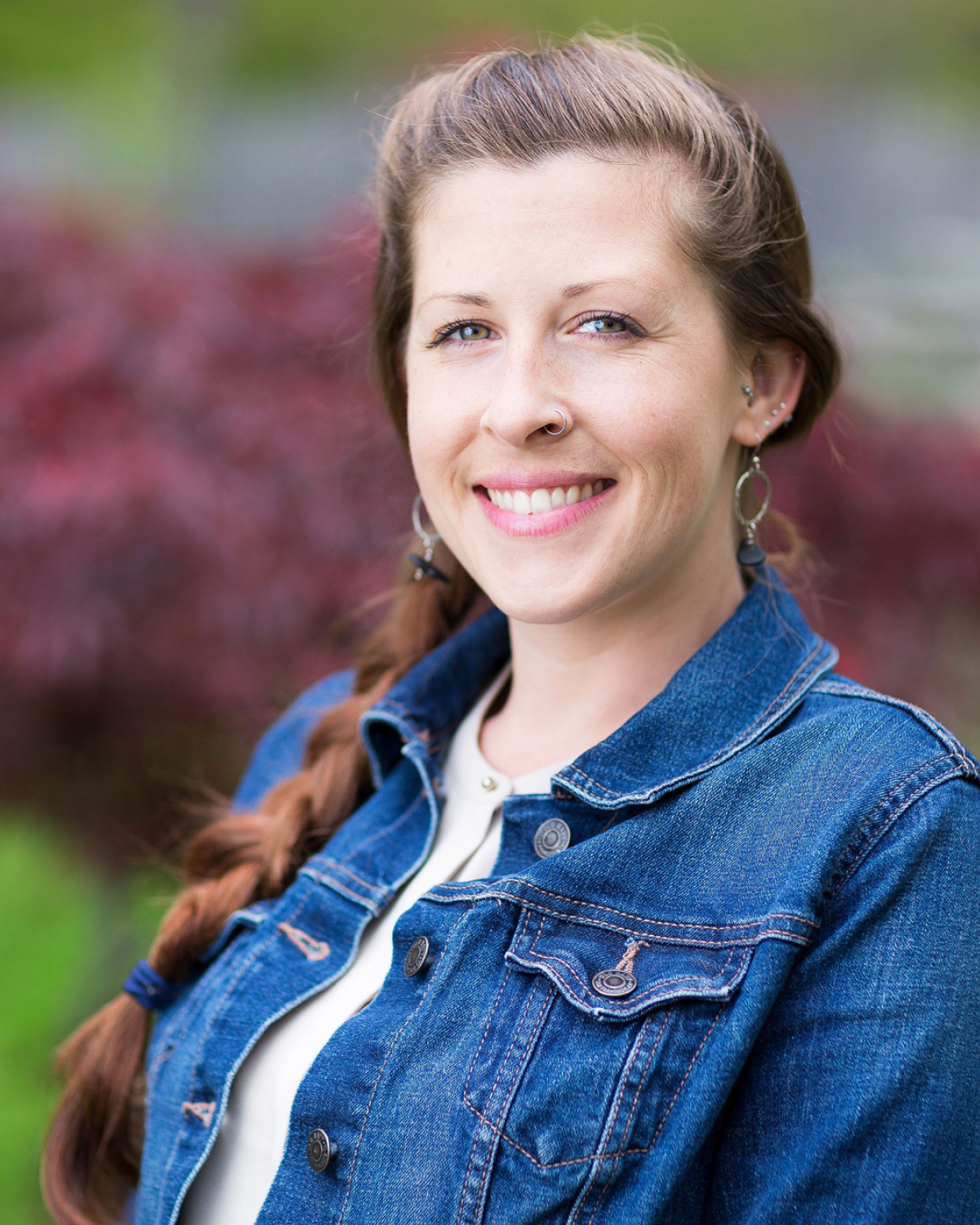
Amber Jane Barricman — Amber’s work is grounded in a simple idea: guests should feel a space before they arrive. Her photography emphasizes warmth, accessibility, and emotional clarity, turning interiors into places that feel familiar even on first viewing.
Read her full feature in the Locèlle Journal: full feature in the Locèlle Journal
What to Look for When Hiring a Photographer
For hosts investing in photography, especially those operating in the direct booking space, selection matters as much as execution.
Start with full portfolios, not highlight reels. Look for consistency across different homes, lighting conditions, and architectural styles.
Ask how they approach light. Their answer will reveal whether they understand atmosphere or simply exposure.
Request complete galleries. A strong set of 20–30 images that holds narrative coherence is far more valuable than a handful of polished hero shots.
Most importantly, understand whether they are photographing real estate or experience. The distinction defines everything.
Direct Booking Changes the Role of Photography
When a home is listed on a platform, visibility is partially outsourced. Algorithms, reviews, and platform design all help carry attention.
When a guest books directly, none of that exists.
The photograph becomes the only introduction.
It sets expectation. It establishes trust. It signals who the home is for and, just as importantly, who it is not for.
Strong photography does not just attract more guests. It attracts the right ones.
That alignment is where design-led hospitality succeeds.
List Your Home on Locèlle
Locèlle is a curated platform for design-led vacation homes bookable directly with owners. Every listing is selected for its architecture, interiors, and sense of place — not volume or availability.
If you have created a home where design and experience matter equally, we would love to hear from you.
To explore the photographers featured in this article, visit the Locèlle Journal — including Matt Hildreth, Cheyenne Crawford, James Reed, and Amber Jane Barricman.


Discover homes worth traveling for
Join the Locèlle newsletter for design-led stays and off-market finds
Get on the list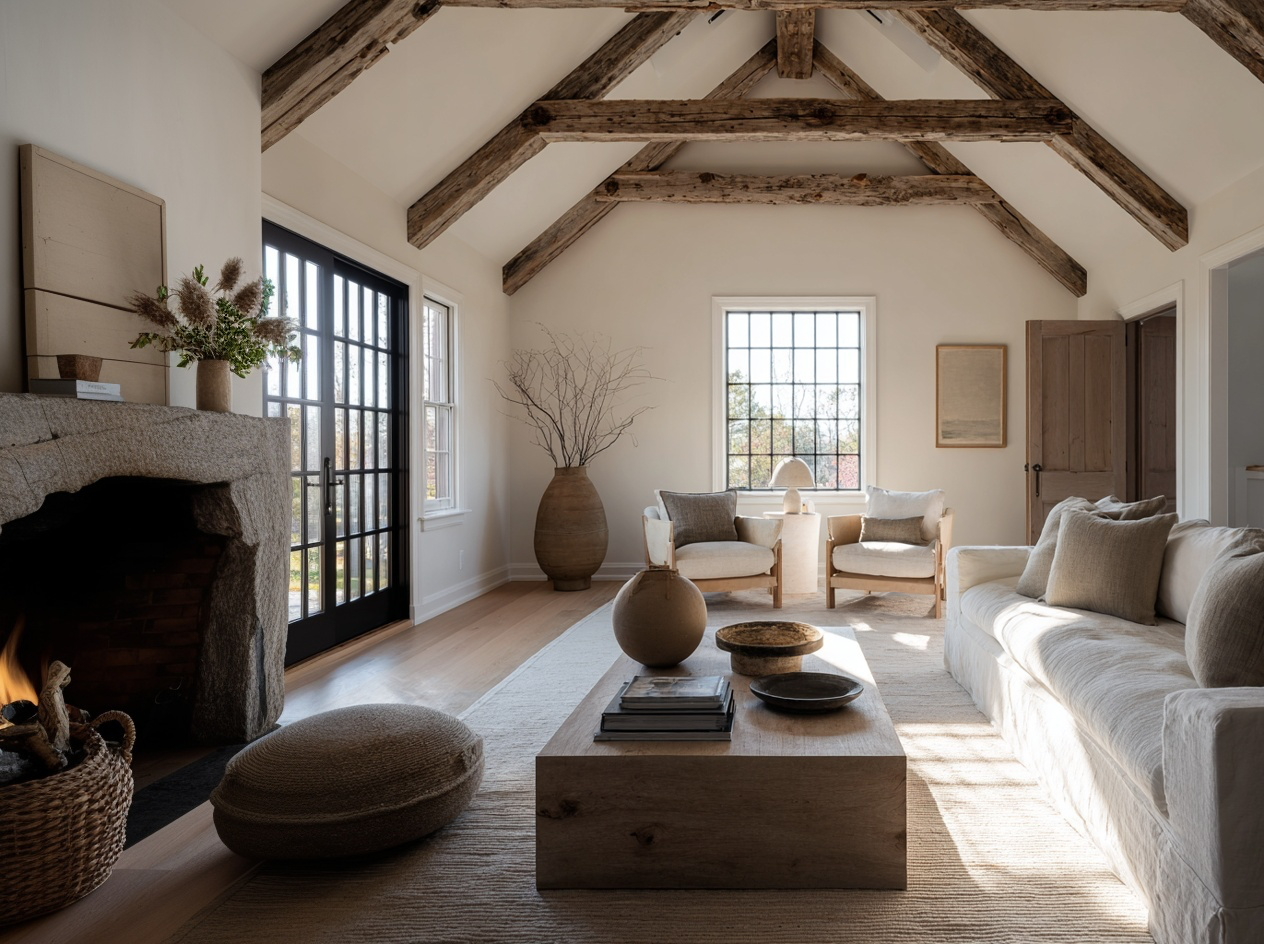
Discover homes worth traveling for
Join the Locèlle newsletter for design-led stays and off-market finds
Get on the list