

The Engineer Who Sees Light for a Living: A Conversation with Photographer Jason Ehrreich

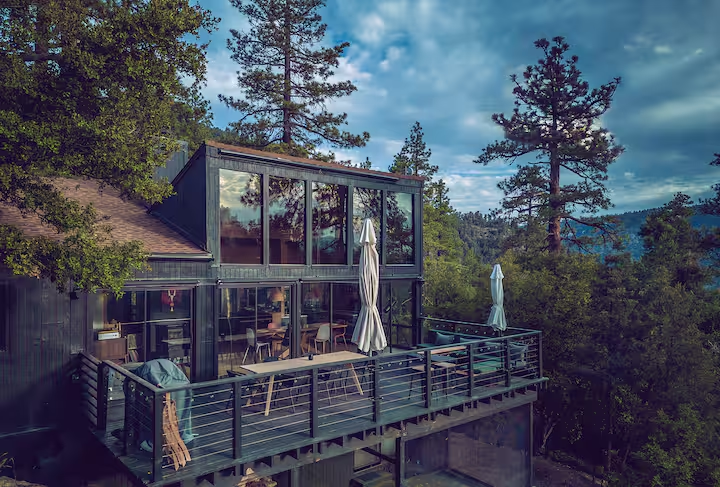
There is a particular kind of attention that separates a photograph of a home from a photograph of what it feels like to stay there. Jason Ehrreich, a Minneapolis-based visual storyteller who spends his weekdays as an industrial engineer at Seagate and his weekends chasing light across the Upper Midwest and beyond, has spent the better part of a decade refining that distinction — first in the industrial-chic taprooms of the craft beer world, and now among the design-forward vacation homes that have become his signature.
From Brewery Backdrops to a Mountainside Dome
Jason's photographic instincts were shaped, unexpectedly, by beer. In the years before the pandemic, he found himself drawn not to the pour itself but to the spaces around it — the raw, industrial architecture of Midwestern breweries, the choreography of a working taproom, the quiet moments happening just out of frame. It was there that he first understood photography as a way of telling a story rather than simply documenting a room.
"If I could buy a phone without a camera, that'd be top notch for me. I just think it's all computational — it doesn't look like the actual real thing." — Jason Ehrreich, on his preference for a real camera
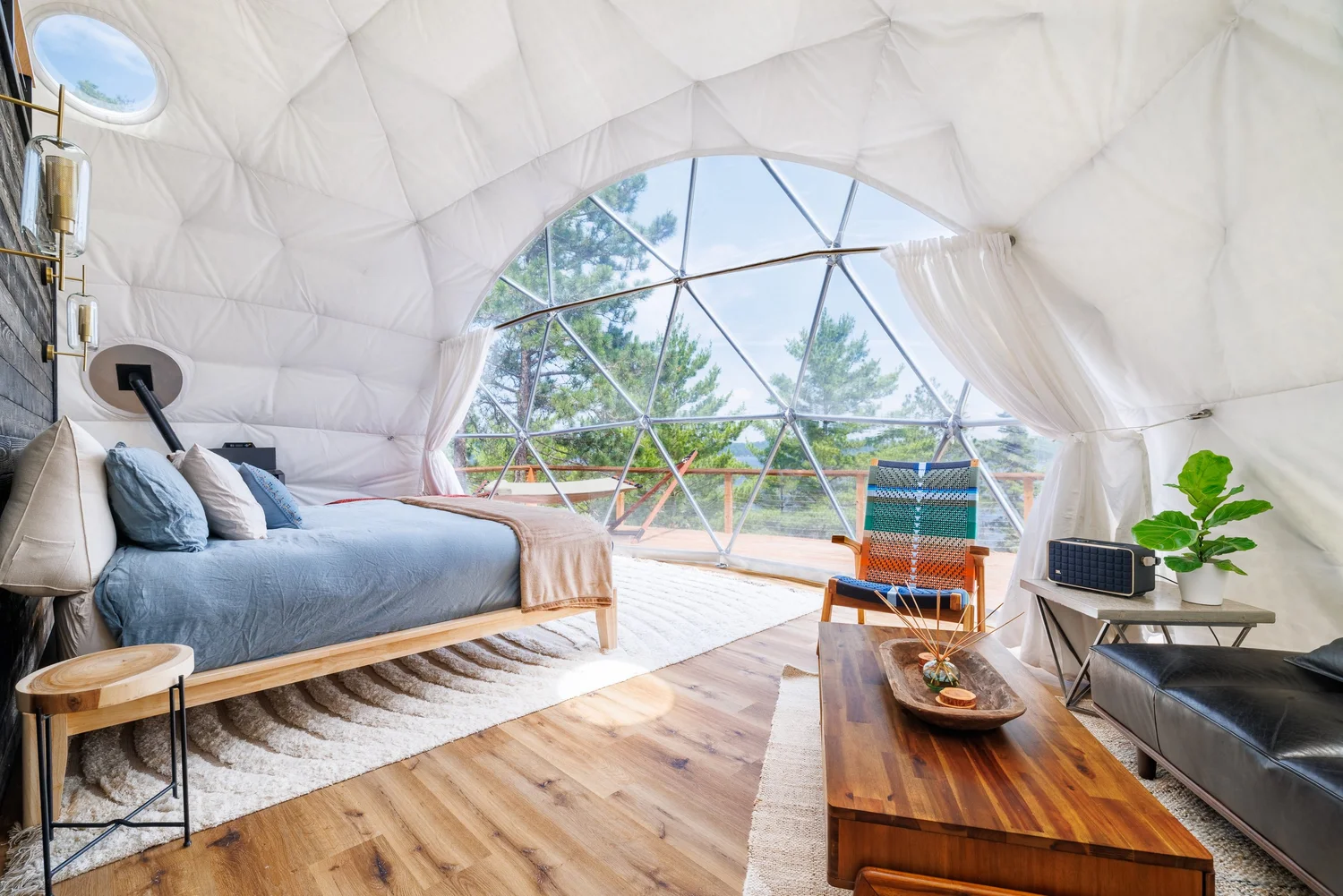
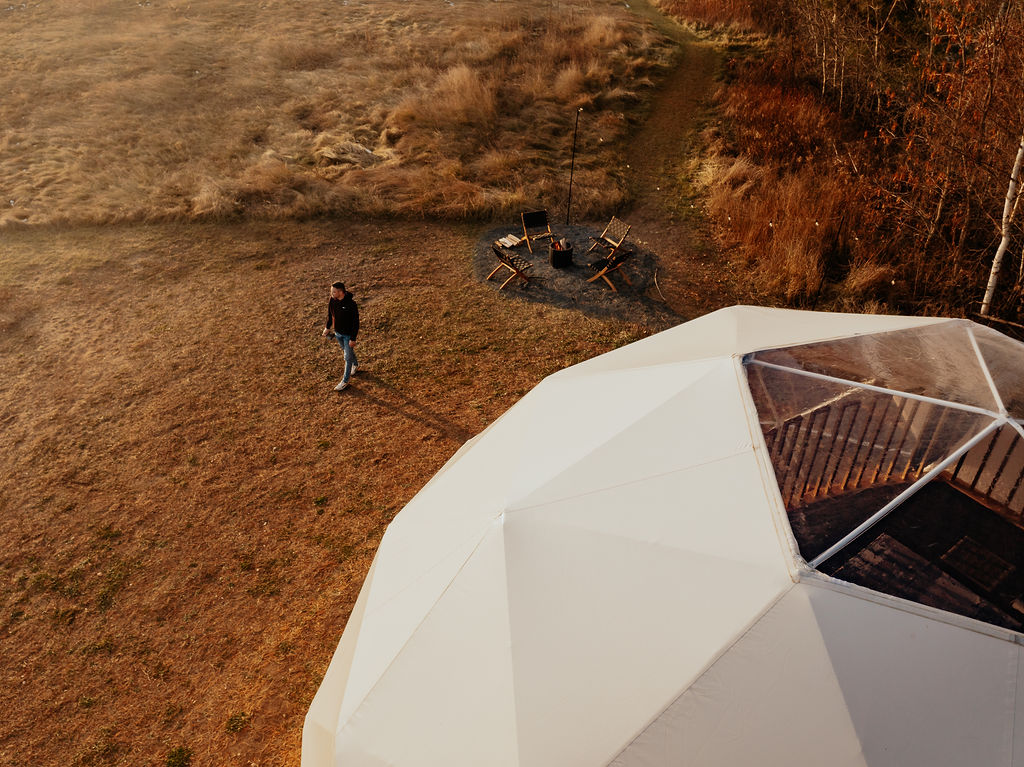
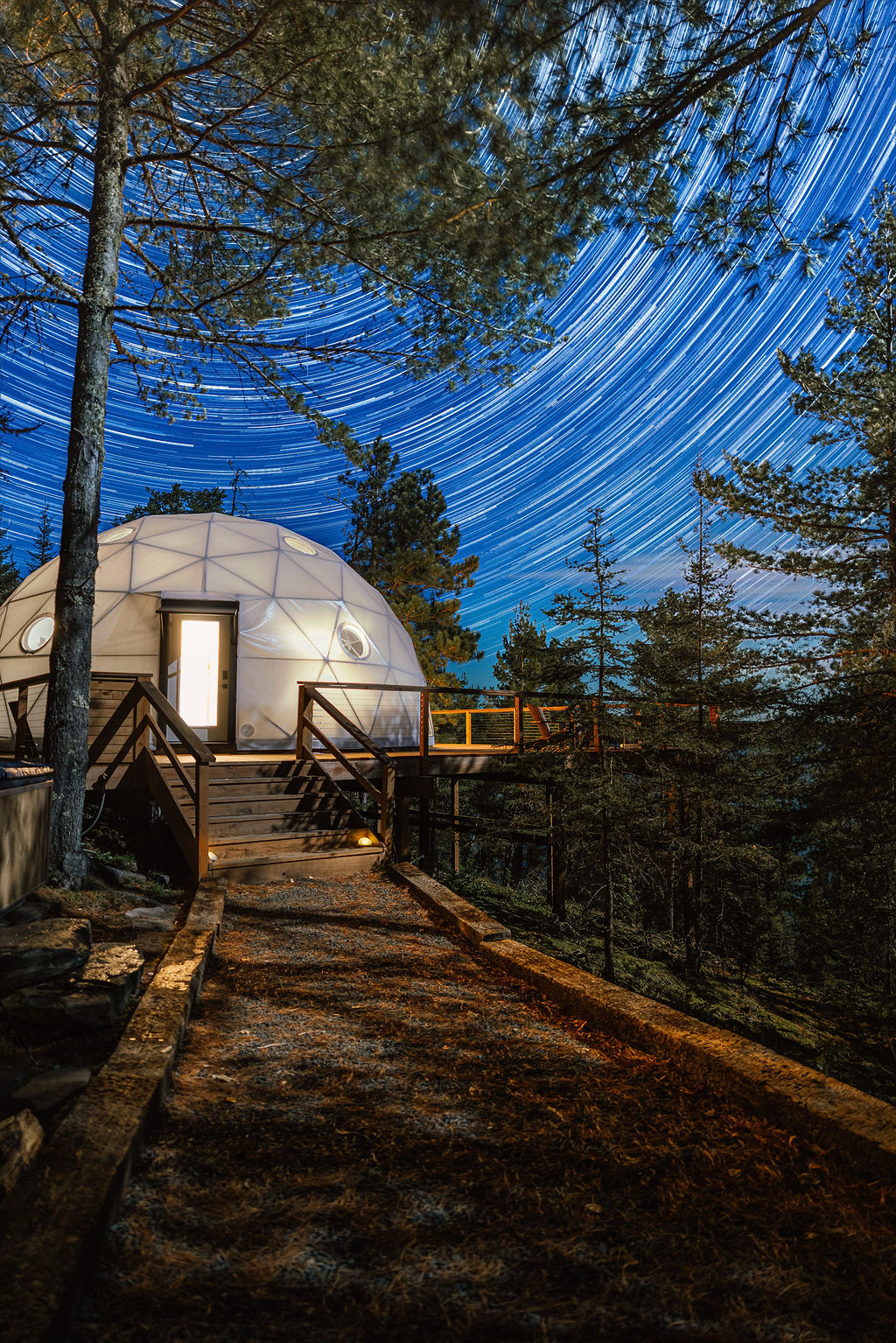
The pivot toward vacation rentals arrived by way of a single trip. Traveling through Asheville, North Carolina with his wife, Jason stayed in a mountainside dome with a private hot tub and a sweeping valley view — the kind of property, he says, that felt entirely unlike anything he'd experienced before. He photographed it instinctively, the way he'd photographed breweries for years. The owners took notice and offered to purchase the images.
"This is really neat — I should start taking pictures of properties and experiences like this." — Jason Ehrreich, on the moment that started it all
That quiet exchange became the beginning of a new creative direction, one built property by property across Minnesota and beyond.
An Architect's Eye for Light
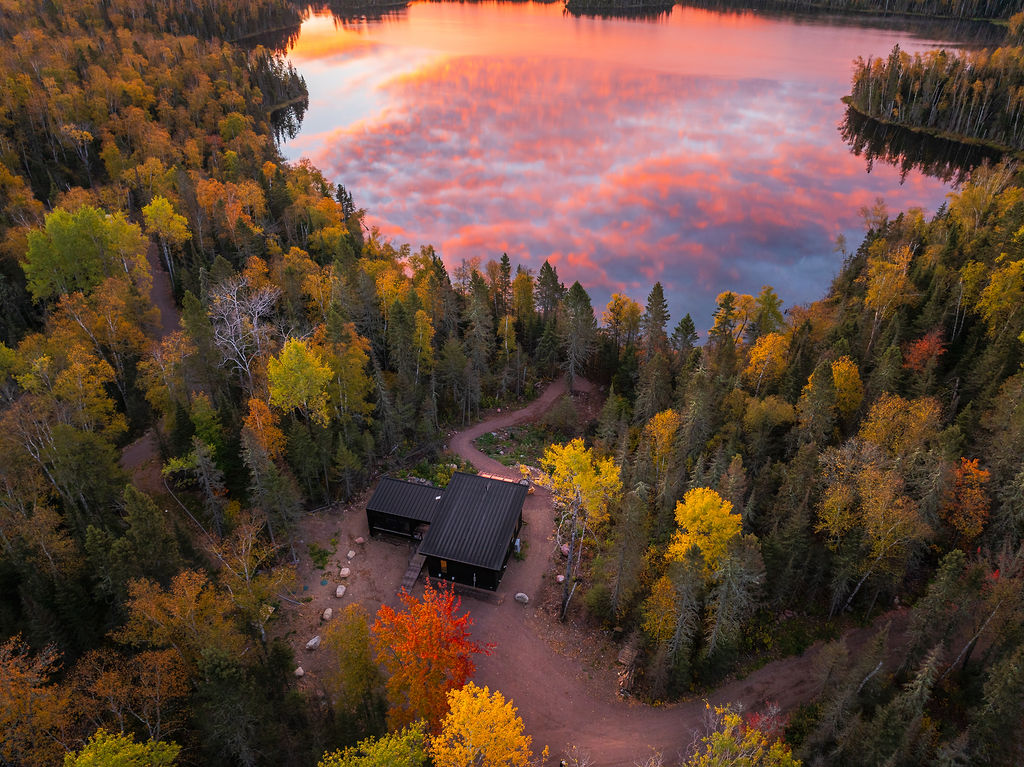
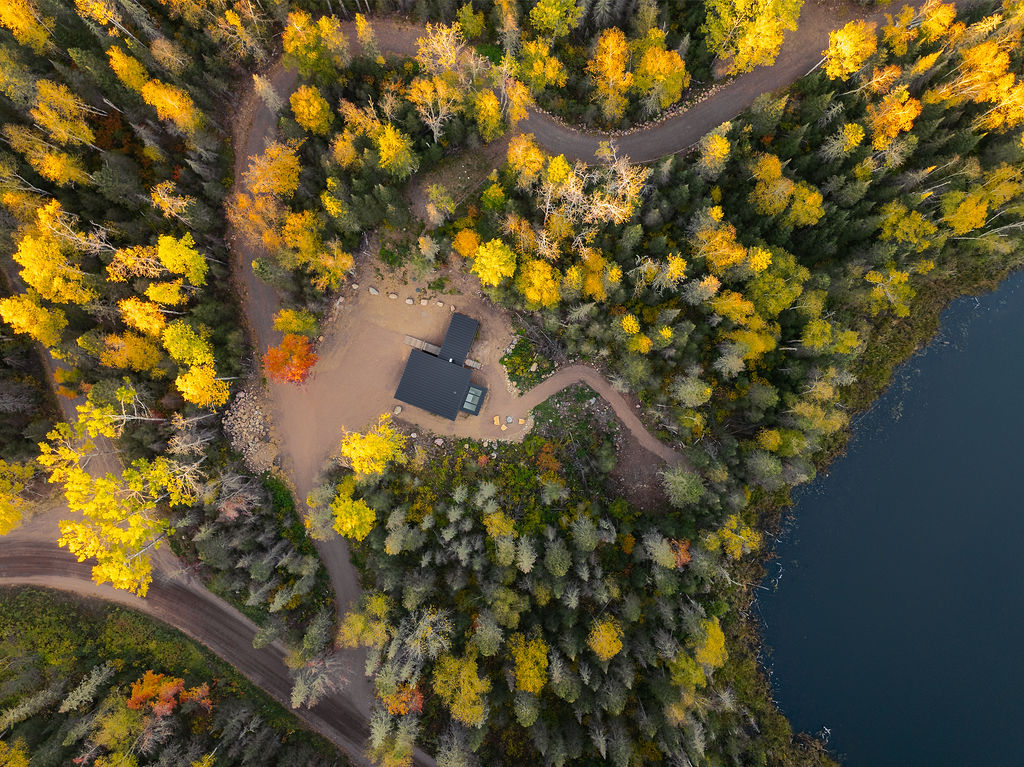
Jason's process begins well before the camera comes out of the bag. On arrival, he studies the property's relationship to the sun — where the light rises, where it falls, which rooms hold it best through the day — and builds his shot list around that rhythm. He also researches what has already been photographed of a property, deliberately steering away from familiar angles.
"I don't want to take the same shot everybody else has gotten," he explains. "Everyone shows up to Yosemite and photographs the mountain. Turn around — there's a whole world behind you."
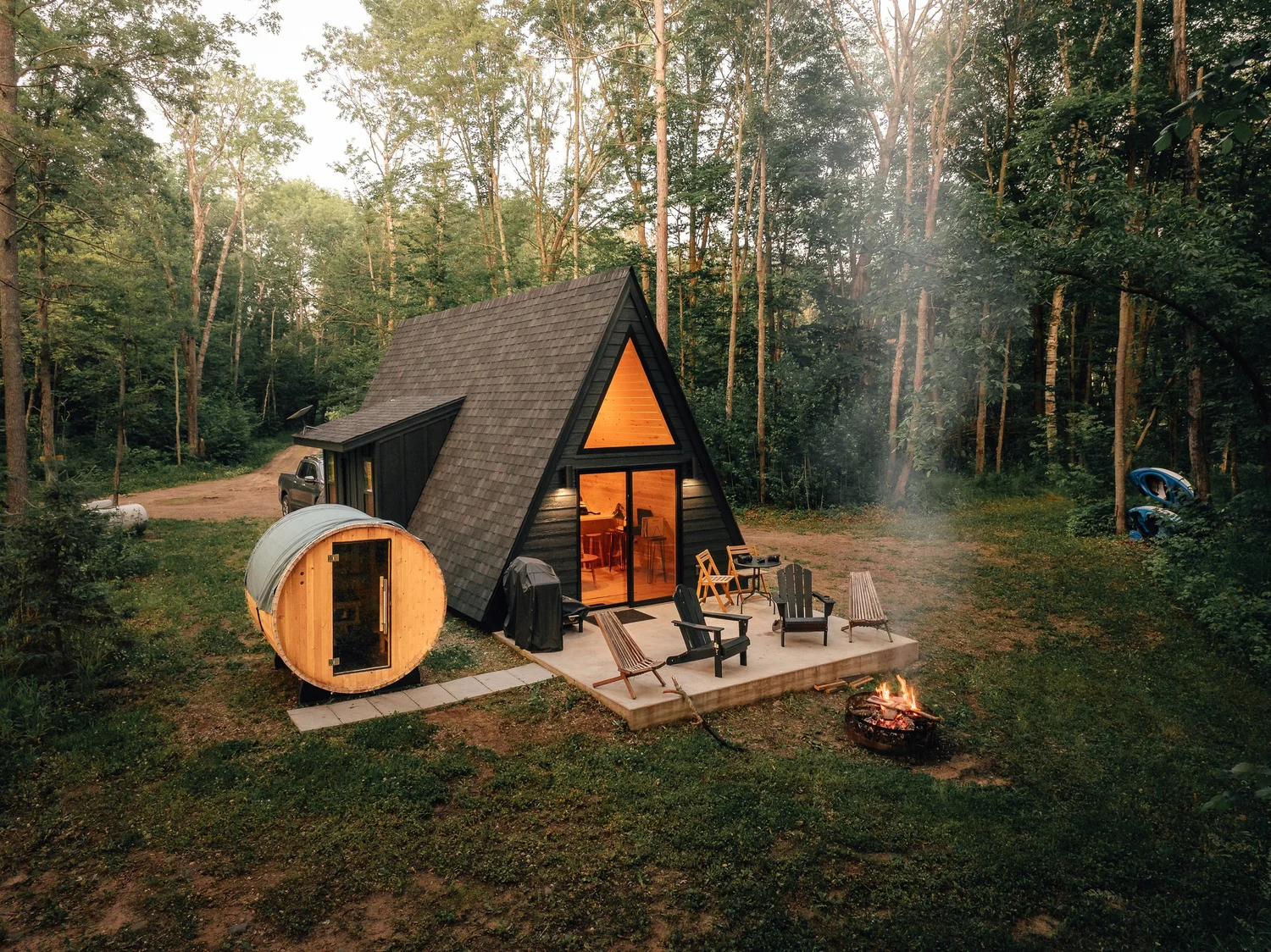
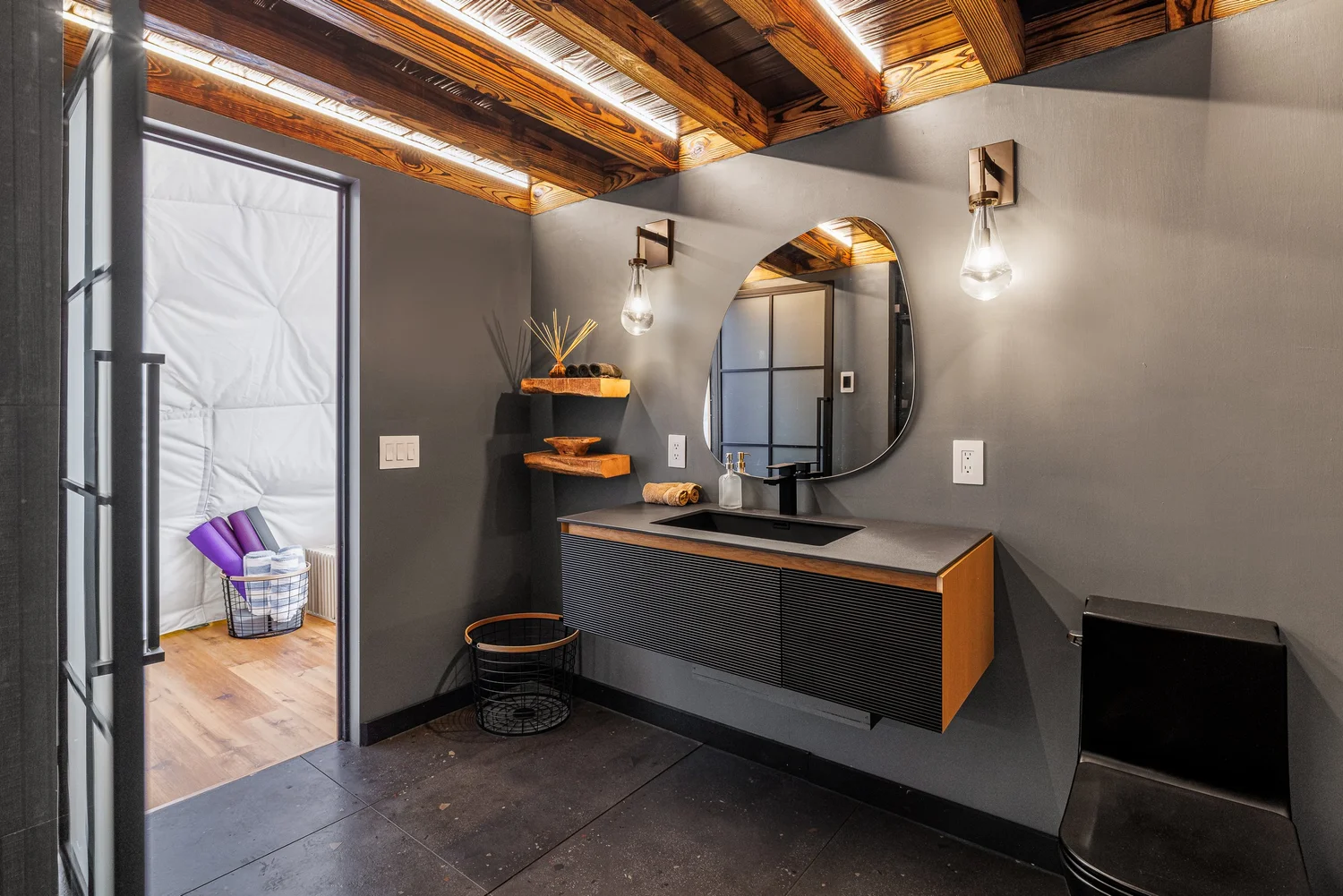
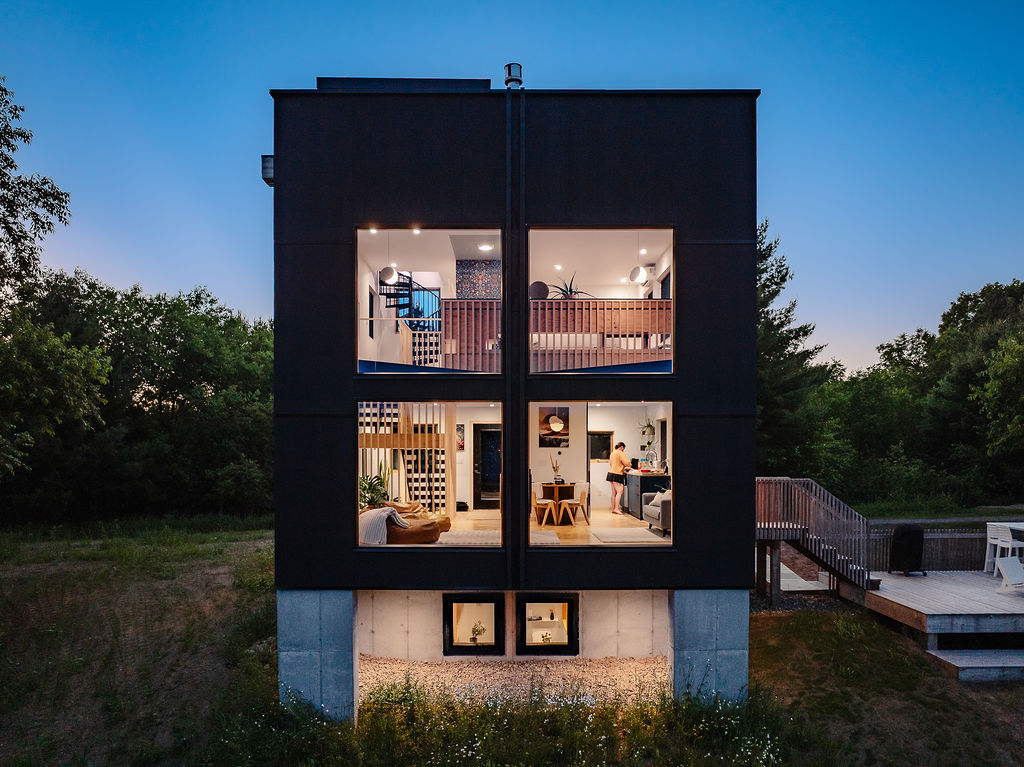
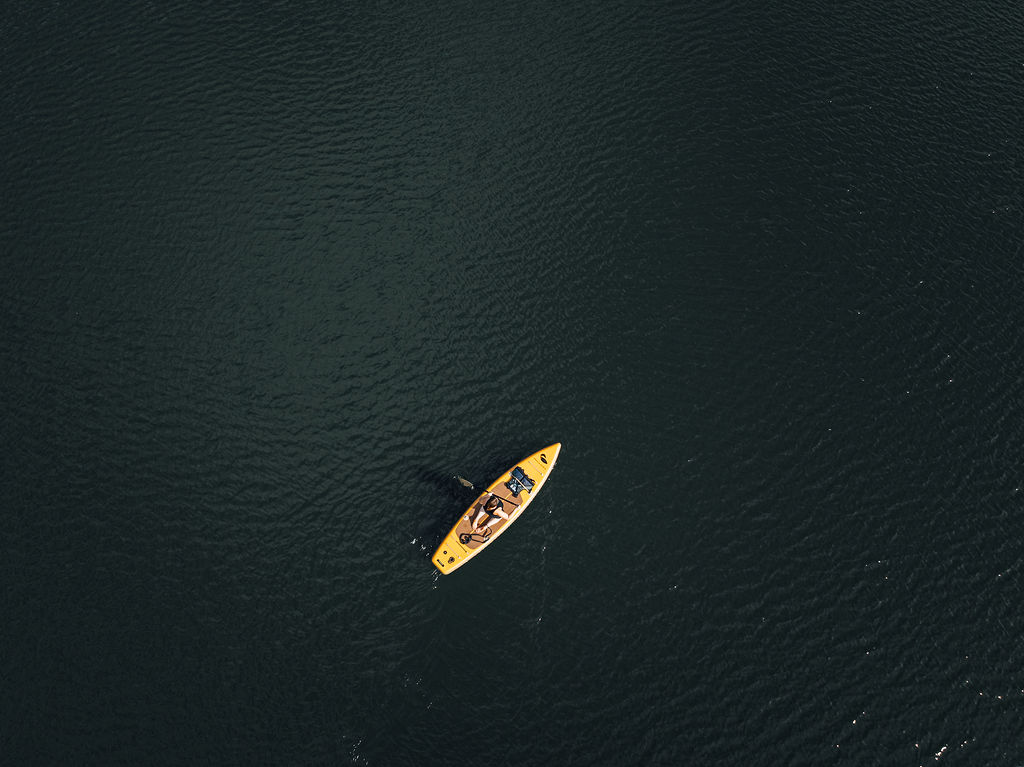
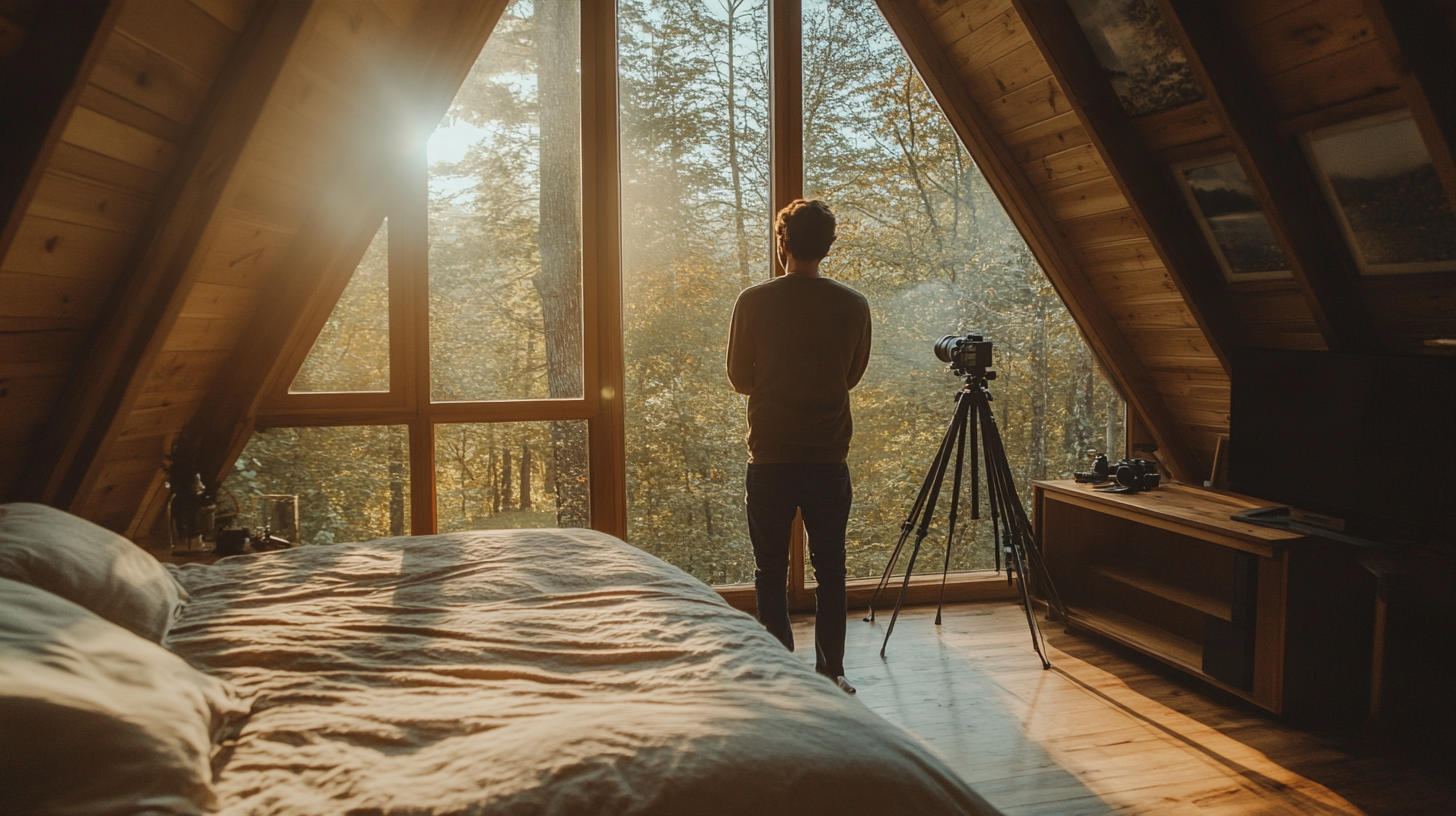
From there, the work becomes a study in restraint and staging: a kitchen photographed mid-use rather than empty, a sauna captured at precisely the right hour, a single frame built from dozens of attempts until the composition finally settles. Working largely alone, Jason often becomes his own subject — setting a tripod, timing a shutter, and refining the shot through patient trial and error.
"Many times it's just me on site, so I'm trying to capture myself — set the camera on a tripod, take a thousand shots that will never get used, because that wasn't quite right. Let's take another one." — Jason Ehrreich, on shooting solo
The Property That Still Feels Like Home
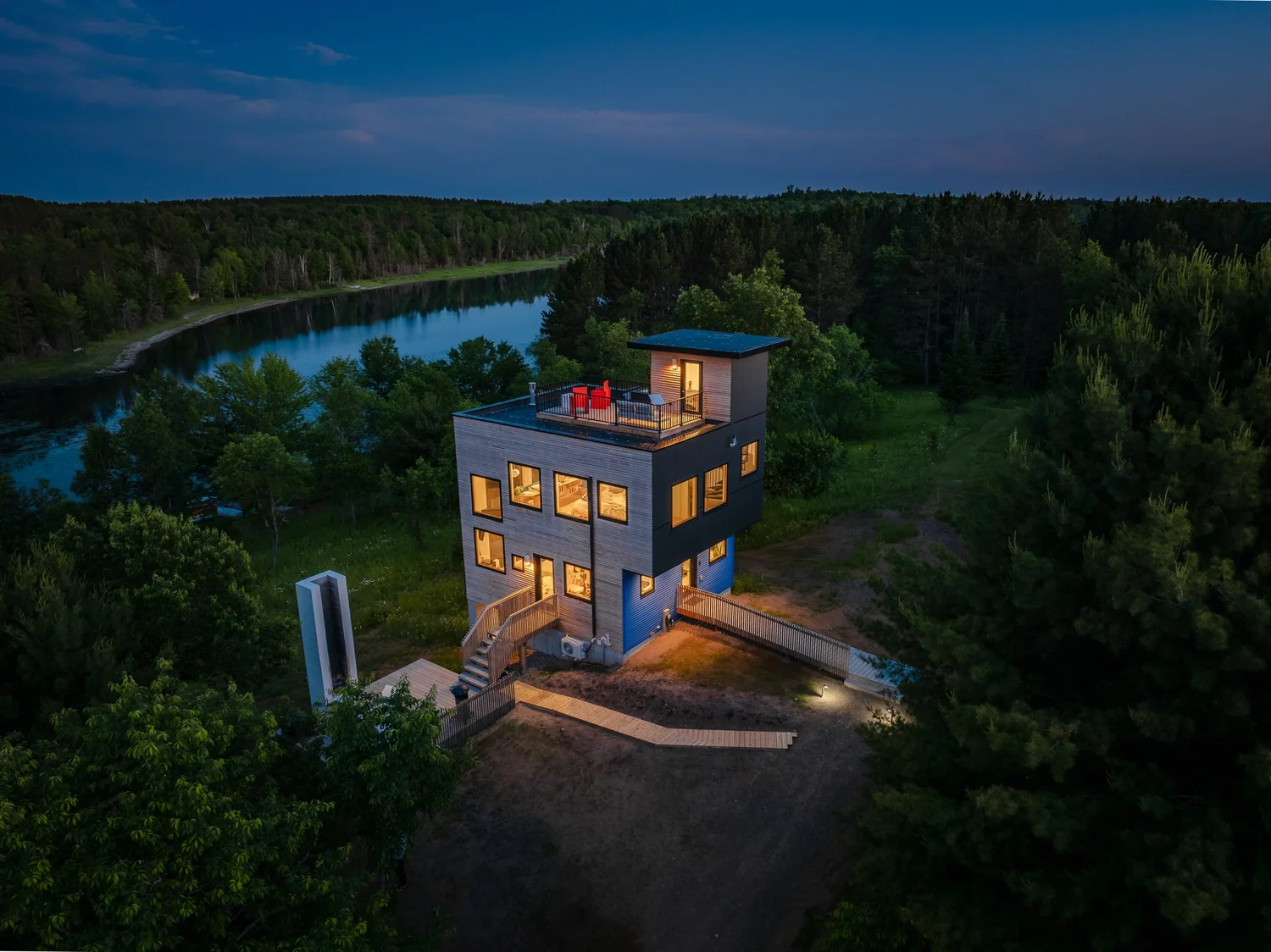
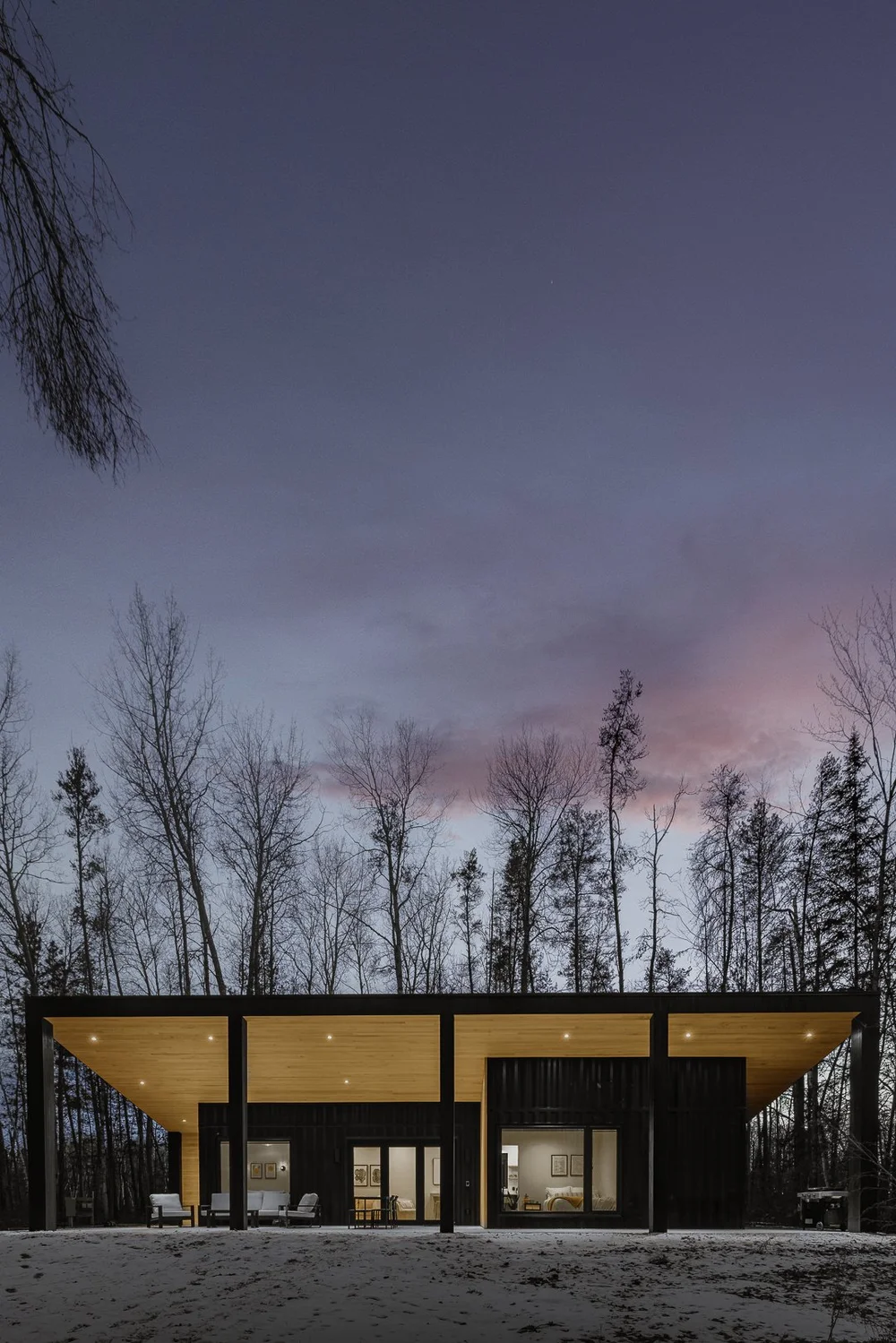
Among the many homes Jason has photographed, one remains closest to him: the BirchBox Container, a pair of converted shipping containers reimagined as a compact riverside retreat near Crosby, Minnesota, set beneath a broad awning with sweeping views of the Mississippi. It was his first serious vacation-rental project, and the relationship it produced has endured — the owners have welcomed him back many times since, and now count among his most enthusiastic collaborators.
"It still feels like a kind of magic," he says of the property, citing its clear night skies and its quiet proximity to home.
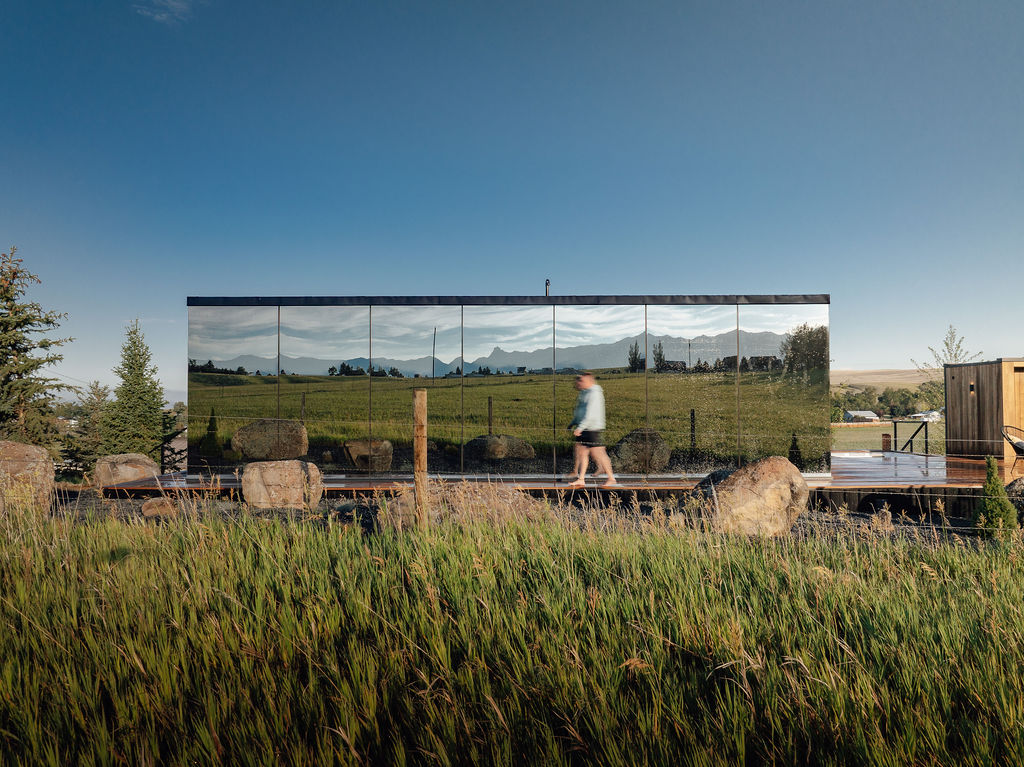
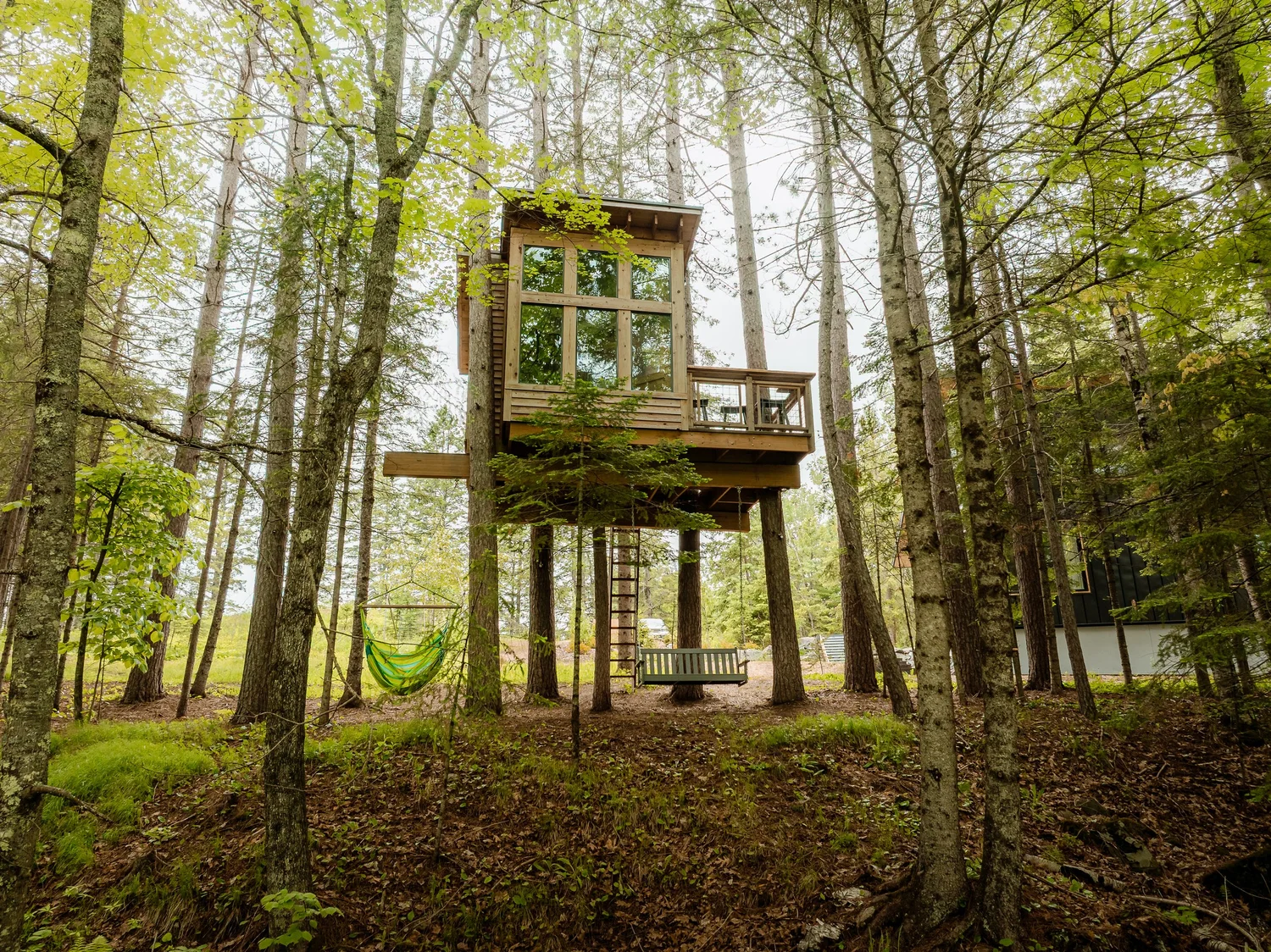
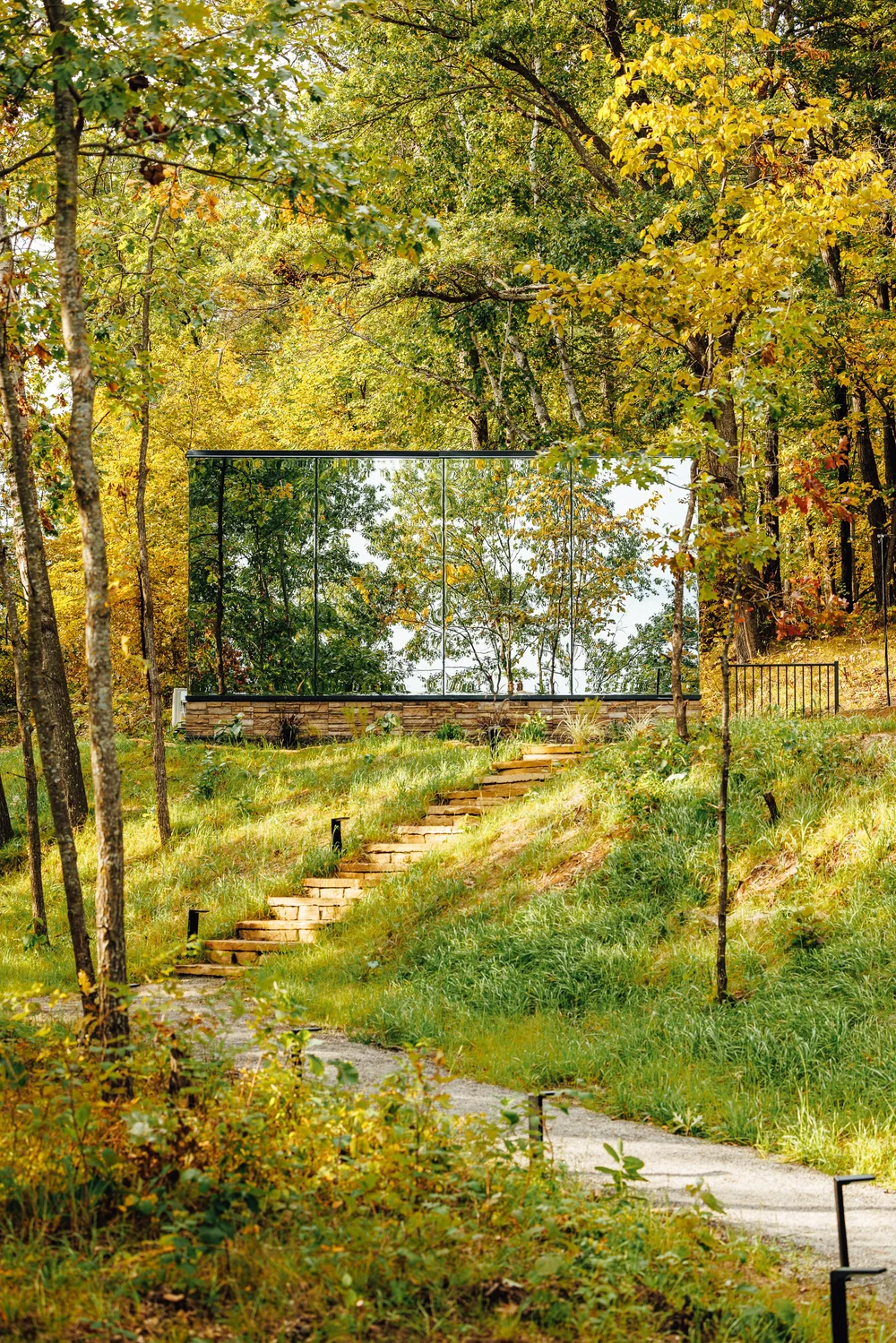
He is drawn less to sprawling luxury and more to architecture with a distinct point of view — a mirrored cabin by the Norwegian design firm OOD, recently installed in Montana, whose reflective surface allows guests to see the surrounding mountains without being seen themselves; a forthcoming property along Lake Superior's North Shore, cantilevered from a cliff on steel supports.
"You can look at the cabin, you can't see in it — but when you're inside of it, you can see everything around it. That's the kind of place that interests me. Not the everyday cabin." — Jason Ehrreich, on Montana's mirror cabin
On Photography's Role in a Booking Decision
Jason is unequivocal about the weight professional photography carries in a traveler's decision. He judges properties by their images the same way any guest does, and believes many underperforming listings can trace their difficulty directly back to how they were photographed — flat light, awkward angles, a shoot that never quite communicates what it would feel like to arrive.
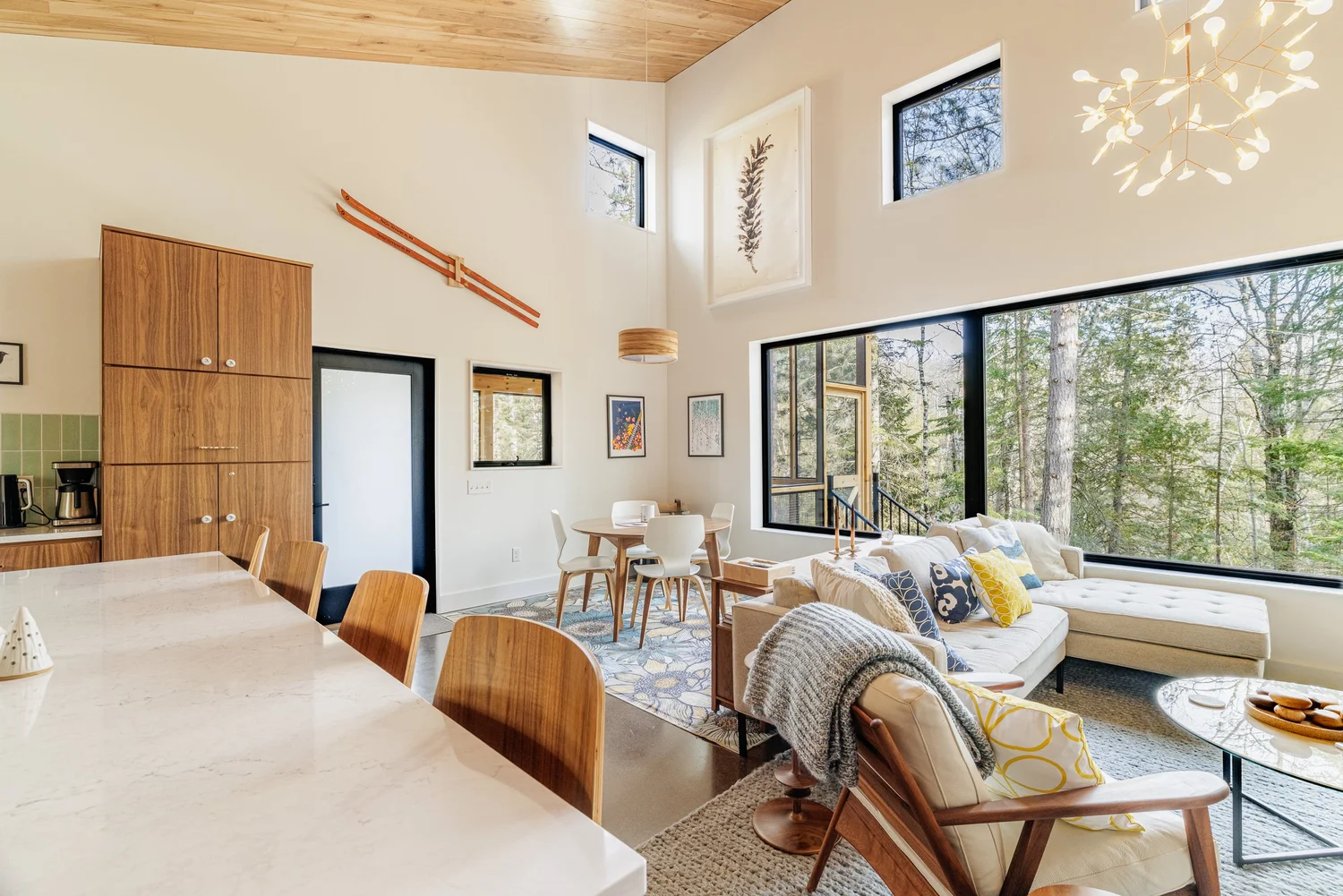
He is equally direct about a common misstep among property owners: an instinct to photograph everything, rather than what matters. A half-finished utility room does little to elevate a home's story simply because it contains a washer and dryer. The strongest listings, he says, resist that temptation and highlight only what a guest will genuinely use and remember.






A Cinematic Turn — and a Careful Line on AI
Jason sees the broader vacation-rental landscape moving toward video and lifestyle-driven storytelling, though he draws a clear distinction between two things that can look similar at a glance: cinematic, narrative-led content built to evoke a feeling, and influencer-style content built to draw attention to its creator.
His view on artificial intelligence follows a similar logic. He sees a legitimate place for AI-generated renderings before a property opens — a way to build early interest ahead of construction. Once a home is live and welcoming guests, however, he believes the tolerance for it disappears entirely, having heard directly from travelers who felt misled by imagery that didn't match the property they arrived to. "Once it's your business, once it's launched," he says, "it shouldn't be part of the picture."
Two Careers, One Discipline
Photography remains, for now, a part-time pursuit alongside Jason's full-time work as an industrial engineer — a career he describes as steady, but not the one that occupies his creative attention. Stepping away from that stability is a decision he continues to weigh, without pressure to resolve it quickly.
"It's always been a constant internal battle with myself." — Jason Ehrreich, on balancing two careers
In the meantime, his client relationships have grown almost entirely through word of mouth and referral, along with a steady, considered presence on social media — a slower path, but one he trusts more than any platform built to shortcut it.
What draws Jason to a project isn't scale or notoriety. It is a sense of place — a home with enough architectural character, and enough intention behind it, to be worth a full day's patient attention.
Jason is currently available for select vacation rental projects, and his work is among the strongest we've encountered in this space — the kind of talent Locélle is proud to feature and recommend to owners building something worth photographing well.

See the Work
The full body of work lives at jasonehrreich.com, with new images arriving first on Instagram at @jasonsjourney.mn — a rare look at how a property looks when someone has actually taken the time to see it.

Discover homes worth traveling for
Join the Locèlle newsletter for design-led stays and off-market finds
Get on the list
Discover homes worth traveling for
Join the Locèlle newsletter for design-led stays and off-market finds
Get on the list