
Airbnb's New Checkout Rules: What Hosts Can No Longer Ask Guests to Do
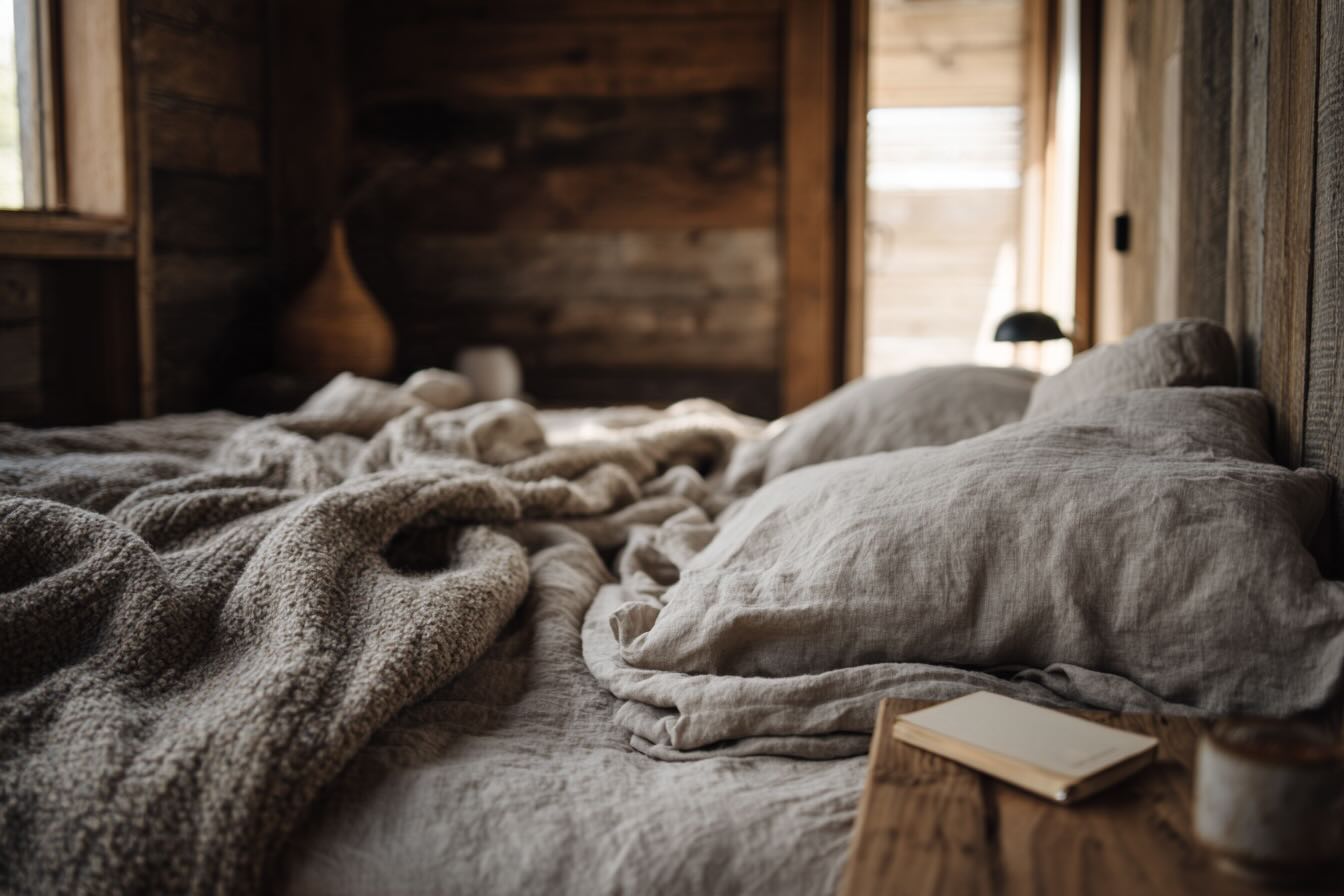

Airbnb has changed what hosts can ask of guests. For reservations booked on or after November 20, 2026, hosts can no longer require guests to wash dishes, strip beds, start laundry or take the trash off the property before they leave. It is the first time Airbnb has written down which host requests are reasonable and which are not.
The checkout list is only part of it. The update also limits house rules to a standard set, bans most separate rental agreements, and stops hosts keeping copies of guest IDs. Here is what changed, what you can still ask, and what it means if you also take bookings directly.
What Airbnb changed, and when it applies
Airbnb emailed hosts on October 20 under the subject "Important Changes to House Rules," and the news spread the next day through Skift and TechCrunch.
The new rules apply to reservations booked on or after November 20, 2026. A guest who booked before then stays under the rules that were on your listing when they booked, so you will run both versions side by side for a while.
Airbnb's reasoning is guest complaints. Travelers have long objected to paying a cleaning fee and then being handed a list of cleaning jobs, sometimes with fines attached.
Seven standard house rules, no extra contracts, no ID copies
House rules are now a fixed set. According to Rental Scale-Up's summary of the policy, the binding rules cover maximum overnight guests, quiet hours, events, pets, smoking and vaping, commercial photography, and locking up at checkout. Anything else you write becomes a request, which guests are encouraged but not required to follow.
- Rules must be on the listing at booking. A rule sent later by message, or posted on a sign in the house, does not count.
- No fines. Hosts cannot fine guests. Damage goes through Airbnb's AirCover process instead.
- No separate rental agreement, except where local law or a community association requires one, for an optional amenity such as a golf cart, for stays of 28 nights or more, or on Airbnb Luxe.
- No ID copies. You can check ID in person at check-in if the listing says so, but you cannot collect or keep a copy unless the law or a documented association rule requires it.
Airbnb's own wording is in its help articles on reasonable house rules and requests and host-imposed contracts. Read them before you edit your listing.
What hosts can still ask
Small, reasonable requests are still allowed. Hosts can ask guests to put used dishes in the sink, gather used towels, sort trash and recycling into the bins inside, and switch off the air conditioning when they leave.
Airbnb also judges requests in context. Asking guests to use bear-proof bins in bear country, or to limit showers during a drought, is still reasonable. What is out is work a cleaner would normally do: washing up, stripping beds, laundry, and carrying trash off the property.
Airbnb says it will flag problem wording in the listing editor and may send repeat cases to review. Persistent violations can cost a listing search visibility, and guests may see a note such as "includes cleaning requests" on the listing.
Cleaning fees, turnovers and pricing after November 20
The policy does not change how cleaning fees work. It does change what a cleaning fee now covers. If guests stop stripping beds and washing dishes, your cleaner's time per turnover goes up, and so does your cost.
Before November 20, it is worth doing three things:
- Rewrite your checkout instructions as a short list of requests: dishes in the sink, towels in a pile, lock the door. Anything longer reads as a chore list.
- Ask your cleaner how much longer a turnover takes when beds and dishes are left as they are, and reprice the cleaning fee or nightly rate if you need to.
- Move fines and local rules to the separate section Airbnb provides for HOA or local requirements, rather than the requests.
Some hosts on Airbnb's community forum have said the change pushes short-term rentals toward a hotel model, and a few have threatened to leave. Others see it as a fair correction. Either way, it is one more platform decision that shapes how you run your own home.
How house rules work when guests book direct
When a guest books with you directly, the platform's rules do not apply. You set your own house rules, your own checkout requests and, where your local law allows, your own rental agreement and security deposit. That freedom is useful, but the lesson from Airbnb's change still holds. Guests do not like paying for cleaning and then being asked to clean.
The hosts we work with who book direct tend to keep checkout simple and explain the reason for anything they ask, such as a septic system, a wood stove or a long gravel driveway. A rule with a reason reads as care, not a chore.
[Host note to add: Justin or Jorge on how checkout works at the Kennebunkport Farmhouse.]
If you are weighing how much to rely on any one platform, two pieces help with the numbers: Airbnb's New 15.5% Host Fee, Explained (2026) and Vrbo's New 12% Host Commission, Explained. For the practical side, start with How to List Your Vacation Rental Without Airbnb.
Where Locèlle fits
Locèlle is a curated directory of design-led vacation homes. We introduce guests to owners, and the booking happens between them. We take no commission, add no guest fee and do not set your house rules. Guests who find you here arrive having read your home's story, and they talk to you before they book, which is the best time to explain how your house works.
New to booking this way? What Is Direct Booking? A Beginner's Guide covers the basics. If your home has a point of view, see if it qualifies for Locèlle.
Frequently asked questions
When do Airbnb's new house rules start?
They apply to reservations booked on or after November 20, 2026. Bookings made before that date keep the house rules that were on the listing when the guest booked.
Can Airbnb hosts still charge a cleaning fee?
Yes. The policy limits the cleaning tasks hosts can ask guests to do, not the cleaning fee itself. Fees must still be shown in the total price before booking, and some hosts may adjust them to reflect longer turnovers.
Can I ask Airbnb guests to take out the trash?
You can ask guests to sort trash and recycling into the bins inside the home. You cannot require them to take trash off the property. Where wildlife is a risk, asking guests to use animal-proof bins is still considered reasonable.
Can Airbnb hosts require a rental agreement?
Generally no. A separate contract is allowed only where local law or a community association requires it, for an optional amenity, for stays of 28 nights or more, or on Airbnb Luxe. It must be on the listing before the guest books.
Do these rules apply to direct bookings?
No. Airbnb's policy covers reservations made on Airbnb. When a guest books with you directly, you set your own house rules and agreements, within your local laws.
You may also like
- How Guests Find Vacation Rentals in AI Search Now, and How to Make Sure They Find Yours
- Short-Term Rental Rules in the Hudson Valley and Catskills: What Changes in 2027
- Vacation Rental Photography Checklist: What to Shoot Before You List
- Direct Booking Website vs. Curated Platform: What's Right for Your Vacation Rental?
- Local SEO for Vacation Rental Owners: How to Get Found Without Relying on OTAs
Justin Henry is the founder and editor of Locèlle, telling the stories of design-led homes and the people who build them.
Read the letter from the foundersOwn a home with a story of its own? Submit your home to Locèlle





New homes, before they're public
One email a week with new design-led stays, owner stories and off-market finds. Free, and easy to unsubscribe.
Get early accessNew homes, before they're public
One email a week with new design-led stays, owner stories and off-market finds. Free, and easy to unsubscribe.
Get early access