
Winterizing a Vacation Rental You Still Rent in Winter: A Checklist from Hosts in Snow Country
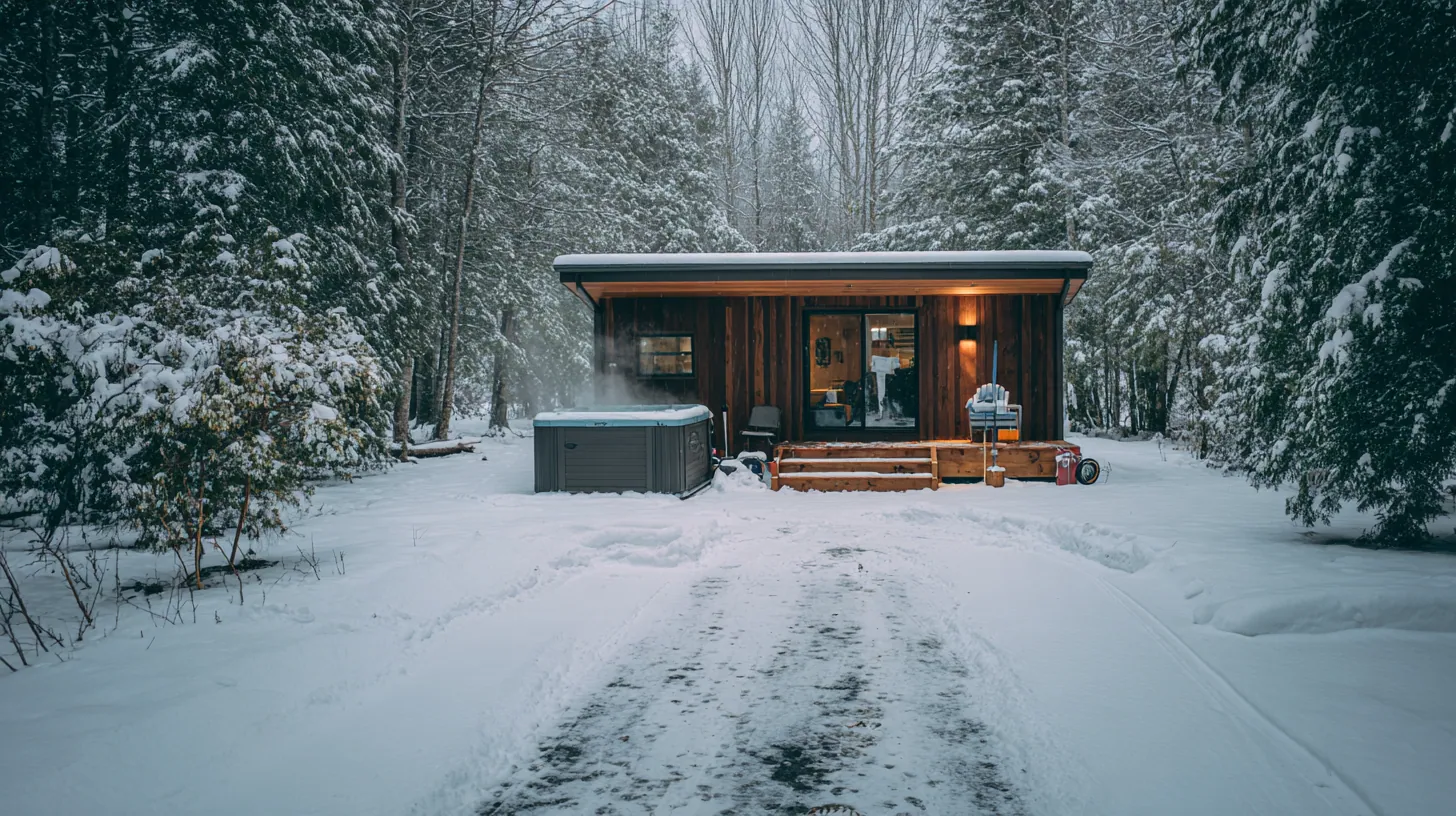

Most winterizing advice is written for owners closing a summer house. This checklist is for the other kind of owner: the one whose busiest season is snow season, with guests arriving every few days, a hot tub that has to run at 104°F in a blizzard, and a driveway that has to be clear by 3pm.
It draws on what Locèlle hosts in Minnesota, New Hampshire and Washington do to keep their homes open all winter. It's practical advice, not insurance or legal advice, so check your policy and local rules too.
Closing up vs. staying open
A closed house needs its water shut off, its lines blown out and its heat set low. A house you rent all winter needs the opposite: everything running, all the time, with a margin for the two days between guests when nobody is there to notice a problem. Most winter damage happens in that gap, so plan around it.
Water: pipes, heat and the gap between guests
- Set a floor, not a setback. Keep the heat at 55°F or higher when the house is empty. For older houses, plumbing on exterior walls, or nights well below zero, go to 58 to 60°F. Use the thermostat's hold mode so a schedule can't override it.
- Fit sensors you can see from your phone. Put a temperature and leak sensor under the kitchen sink, beside the water heater and wherever the main line comes in. An alert at 2am is cheaper than a ceiling.
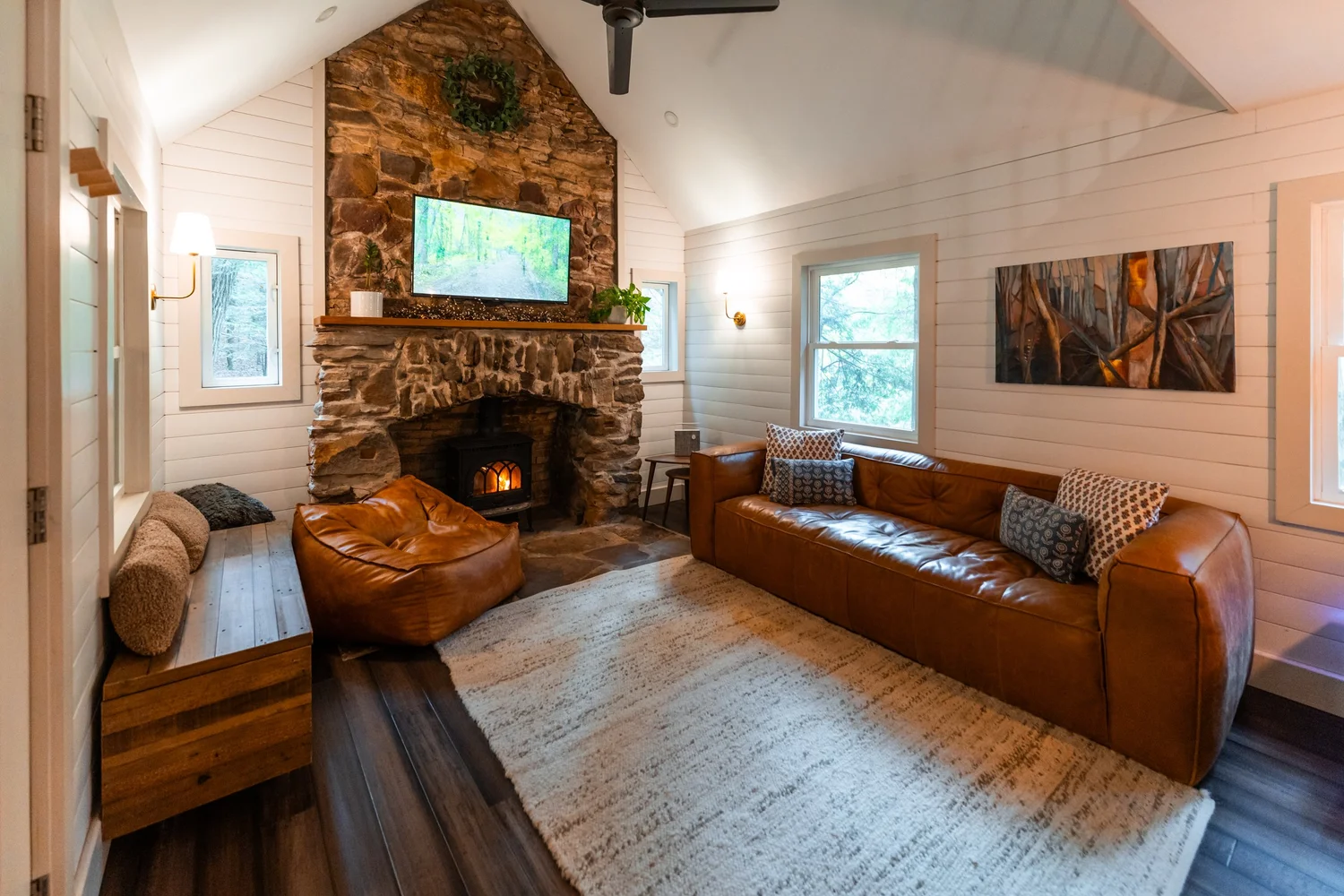
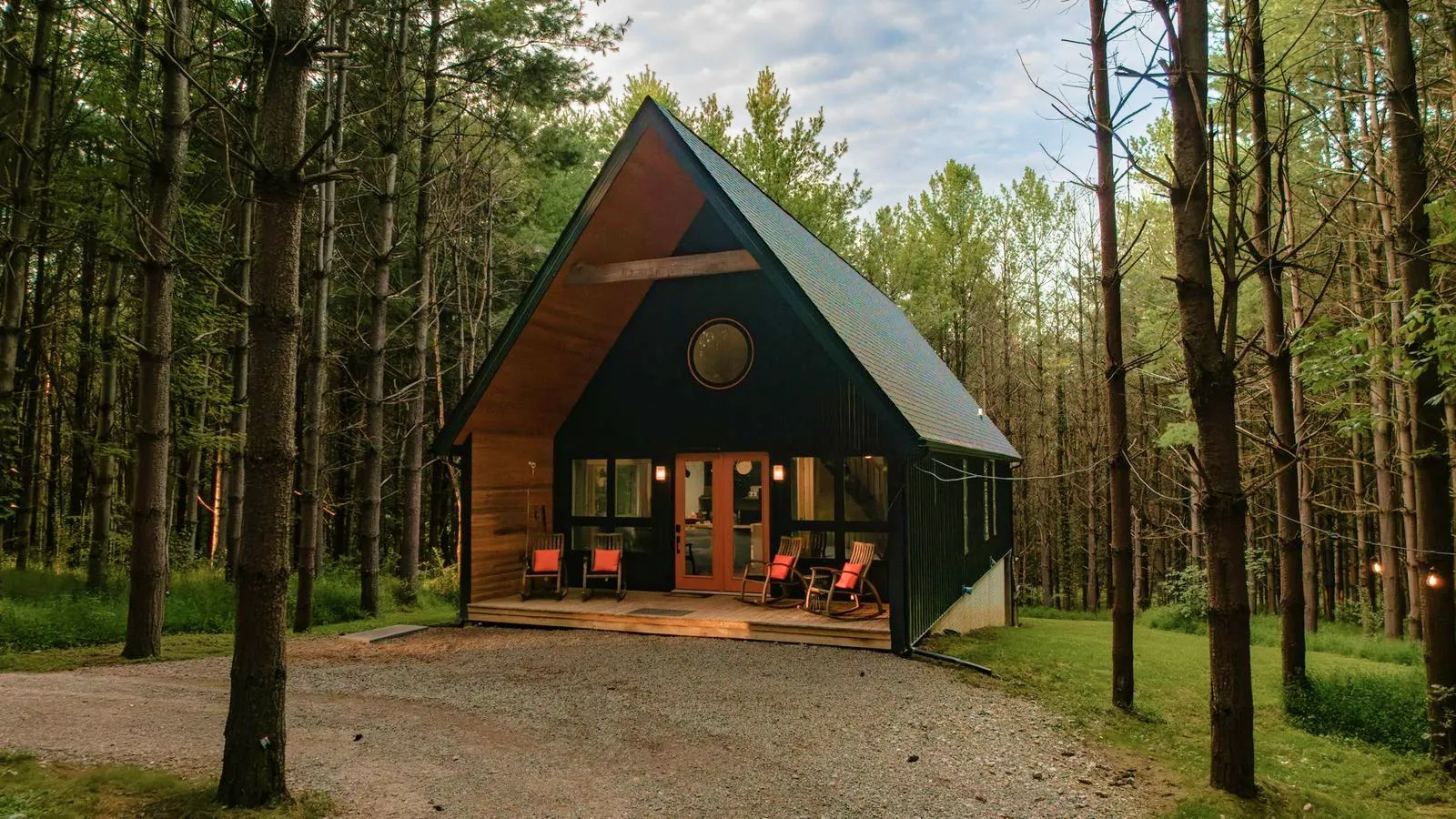
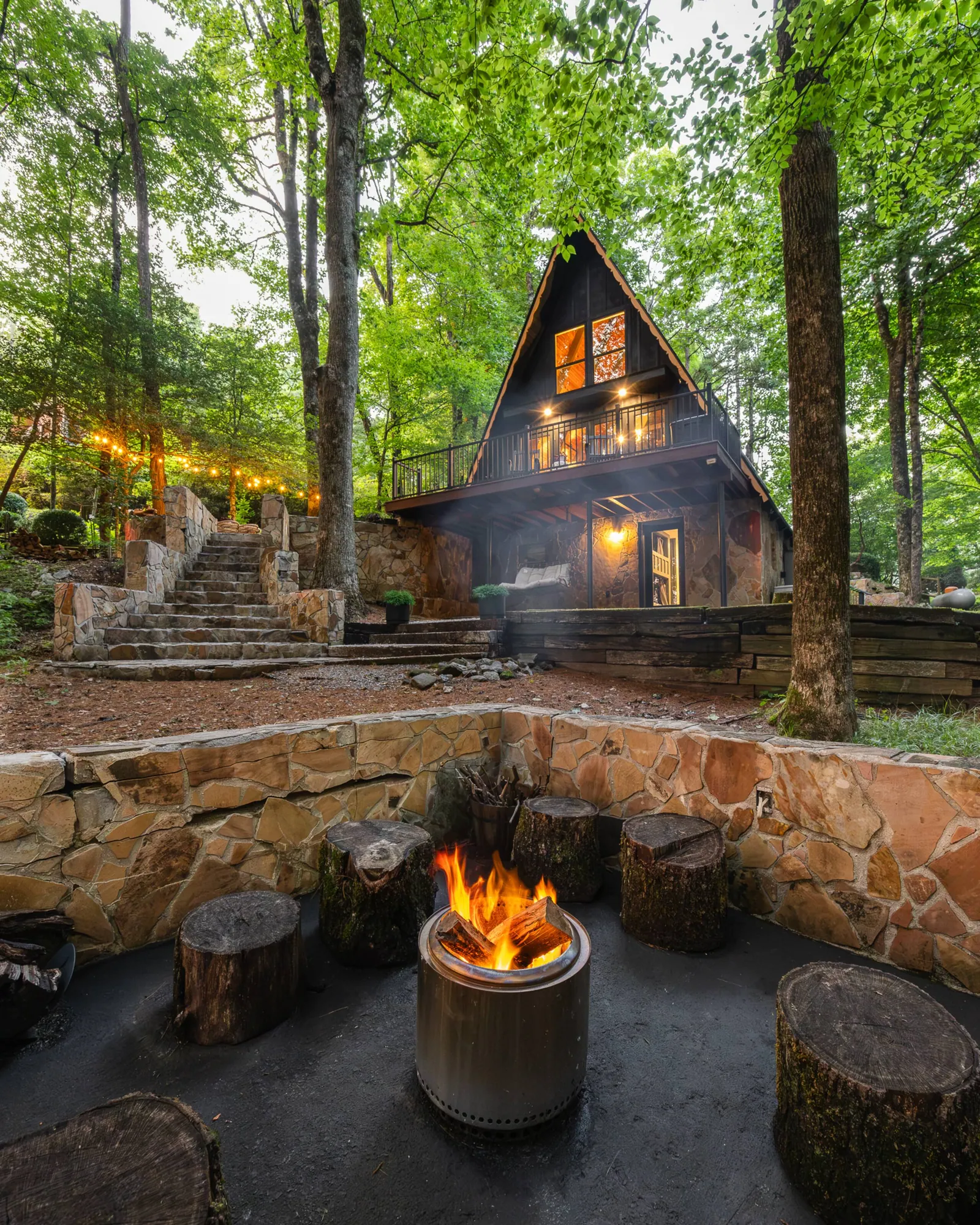
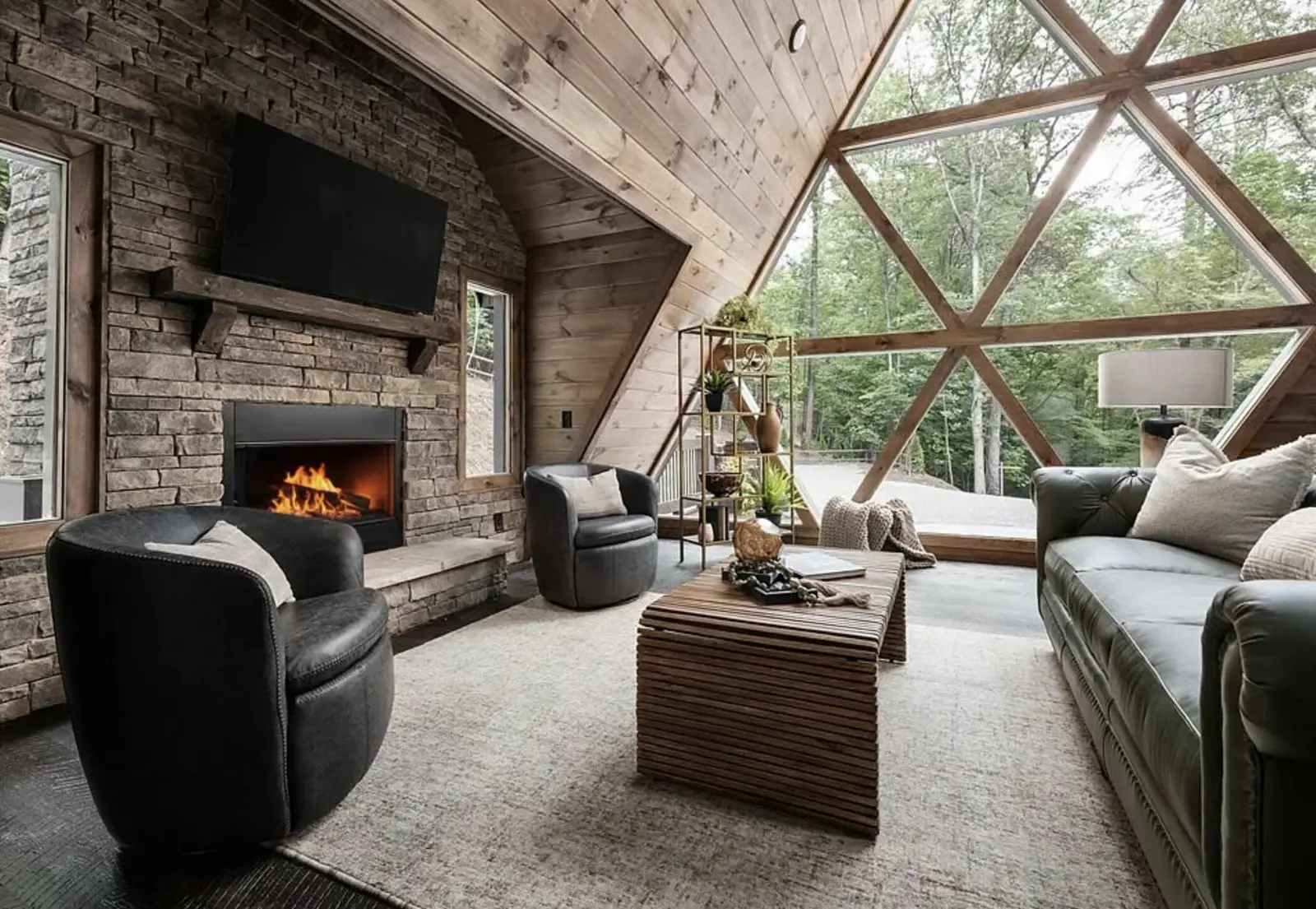
- Have a second source of heat. At Aurora Cabin in Ely, Minnesota, radiant heat runs under the slate floors, and the propane fireplace was chosen partly as a backup heat source for the coldest nights. A backup only works if guests know how to use it, so write the instructions down.
- Know your shutoff. Label the main water valve, keep the area around it clear, and make sure your local cleaner or handyman can reach it at night.
- Open cabinet doors under sinks on exterior walls in a deep freeze, and ask guests to leave them open. One line in the arrival message is enough.

Hot tubs and saunas in freezing weather
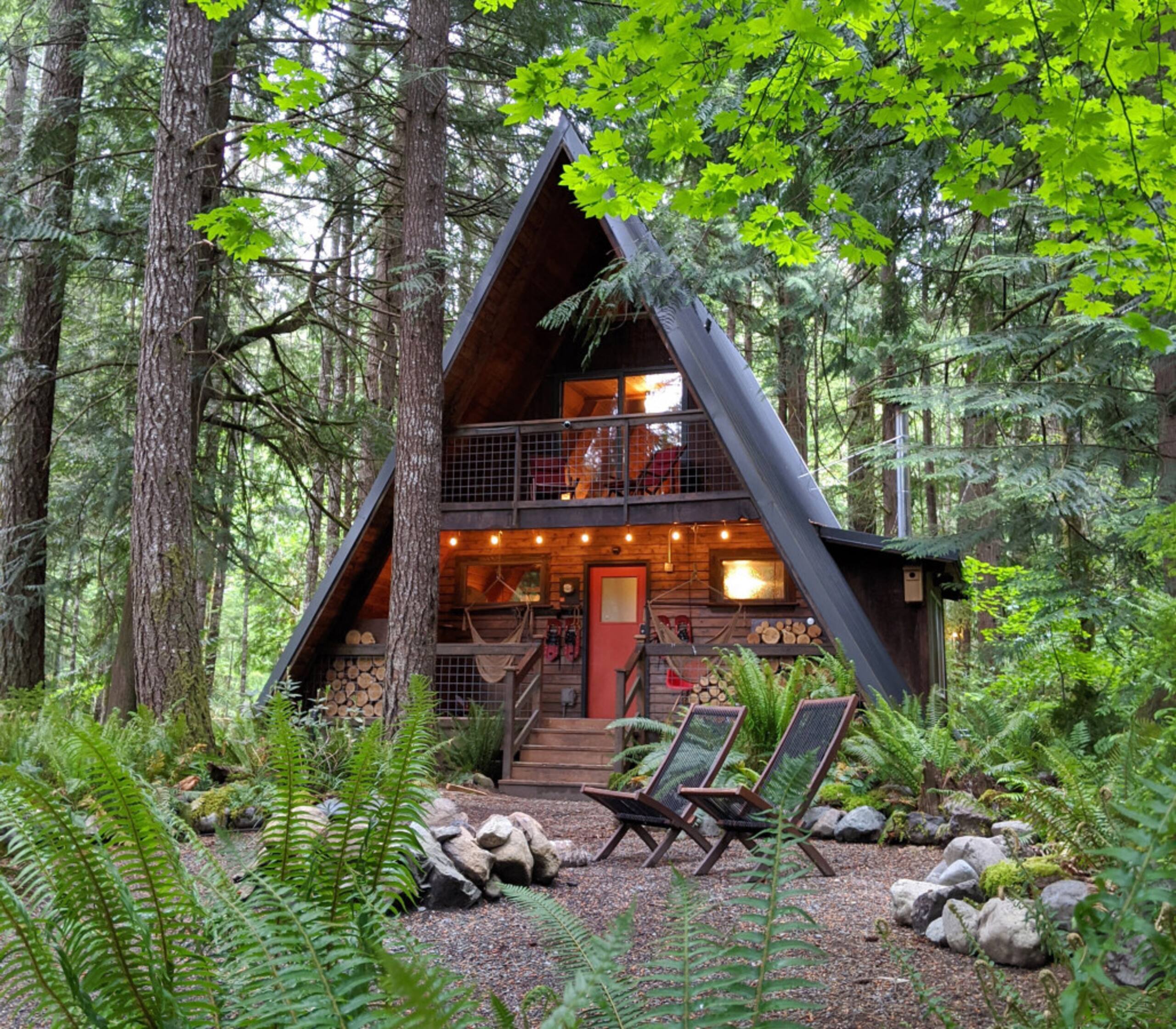
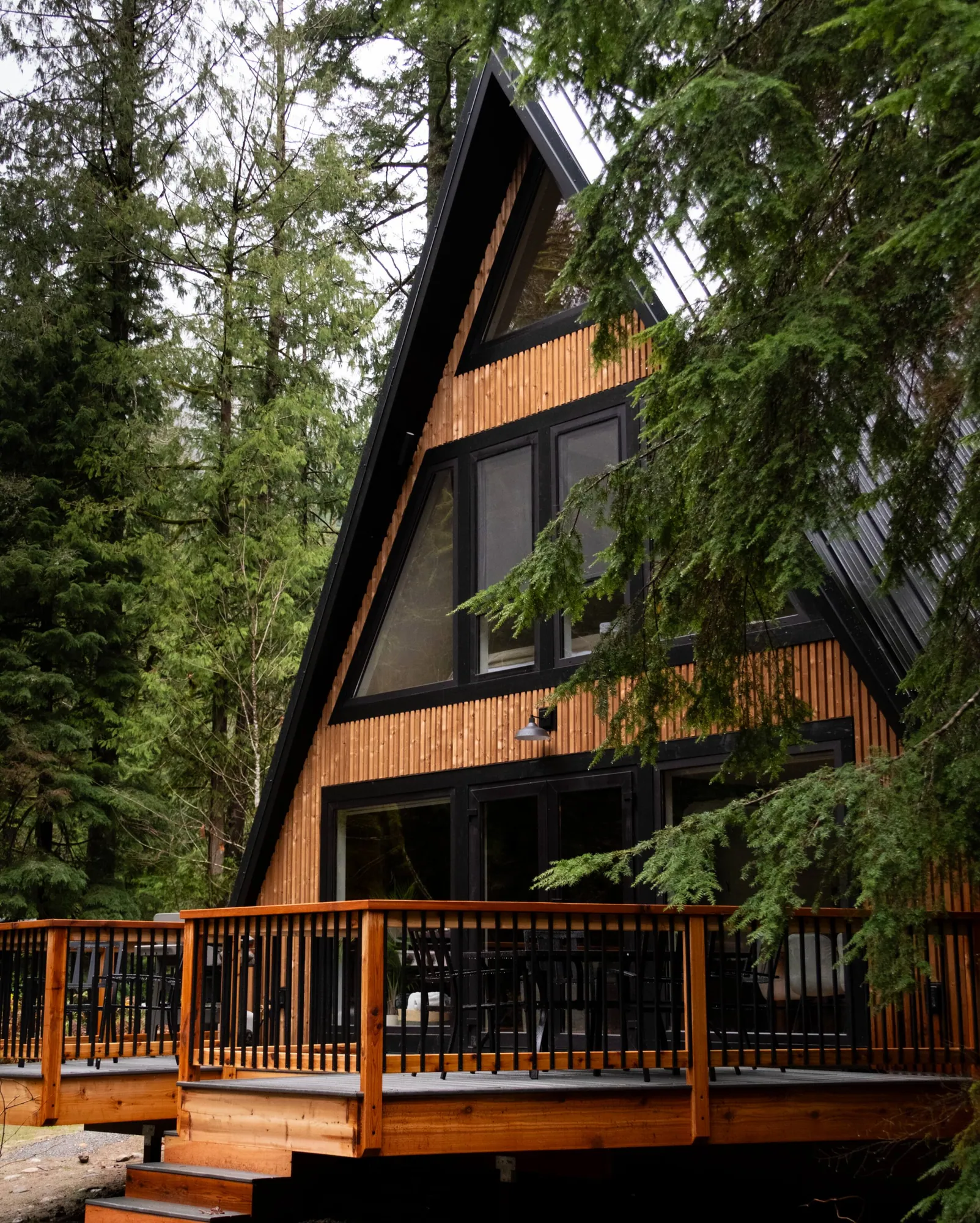
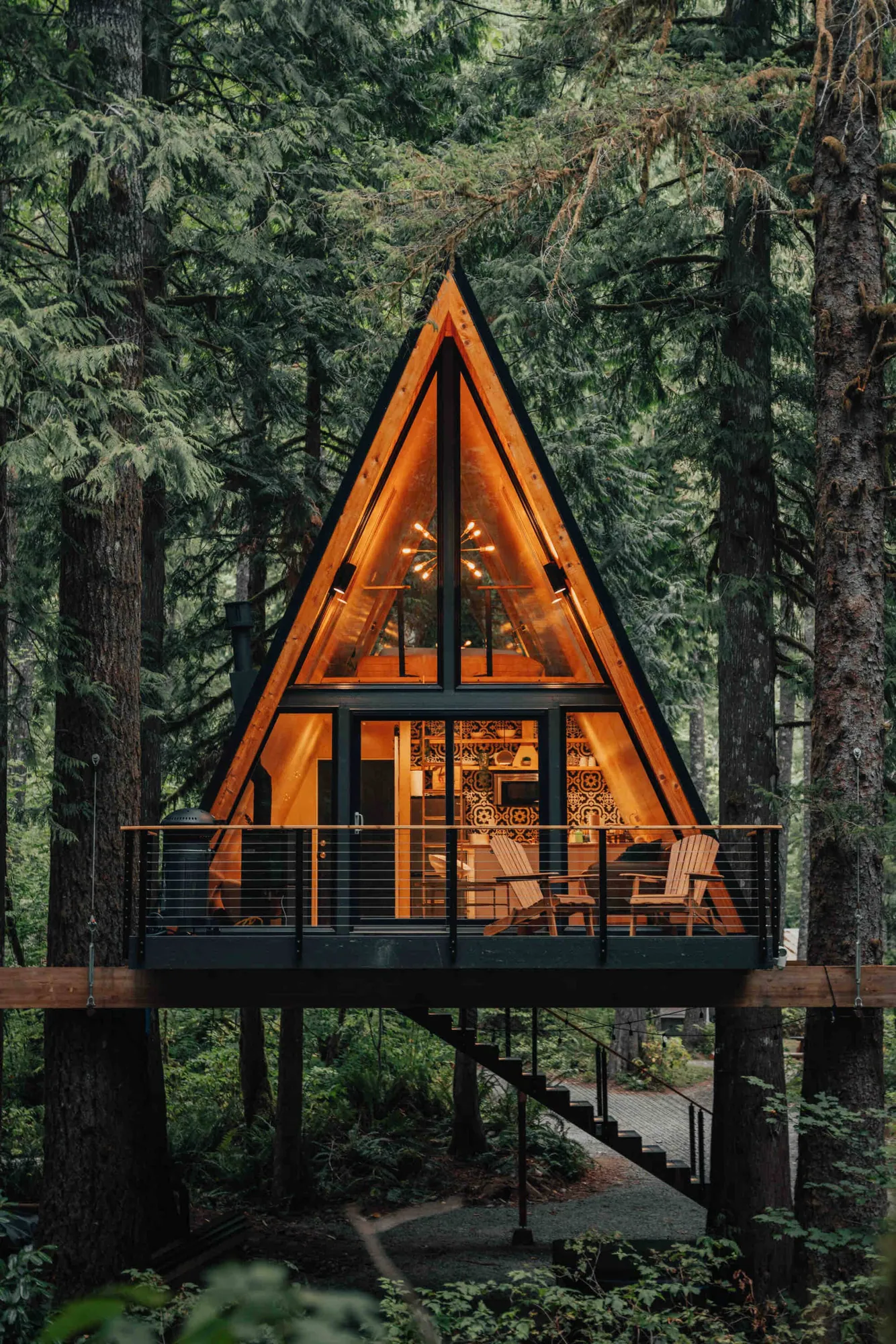
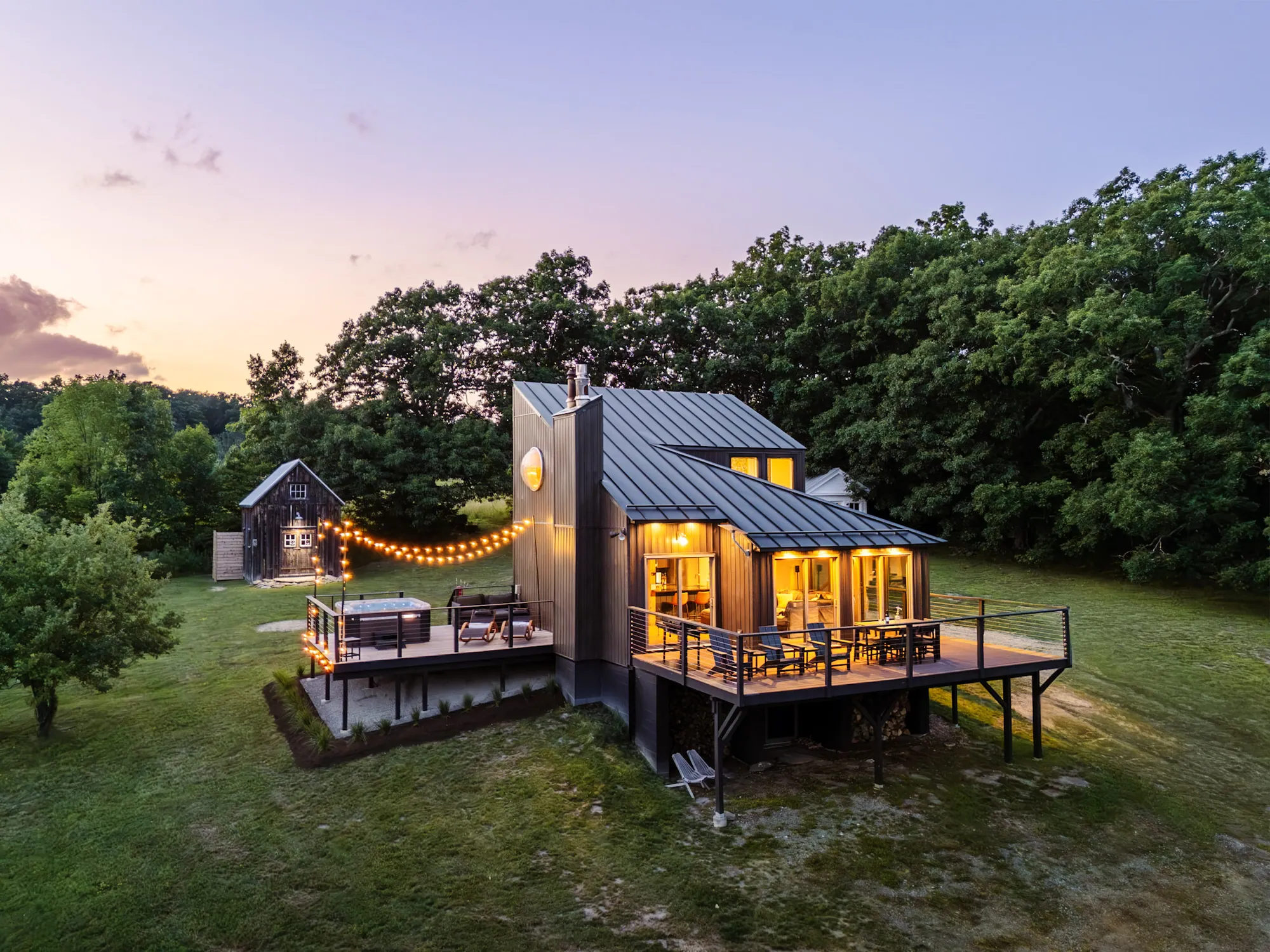
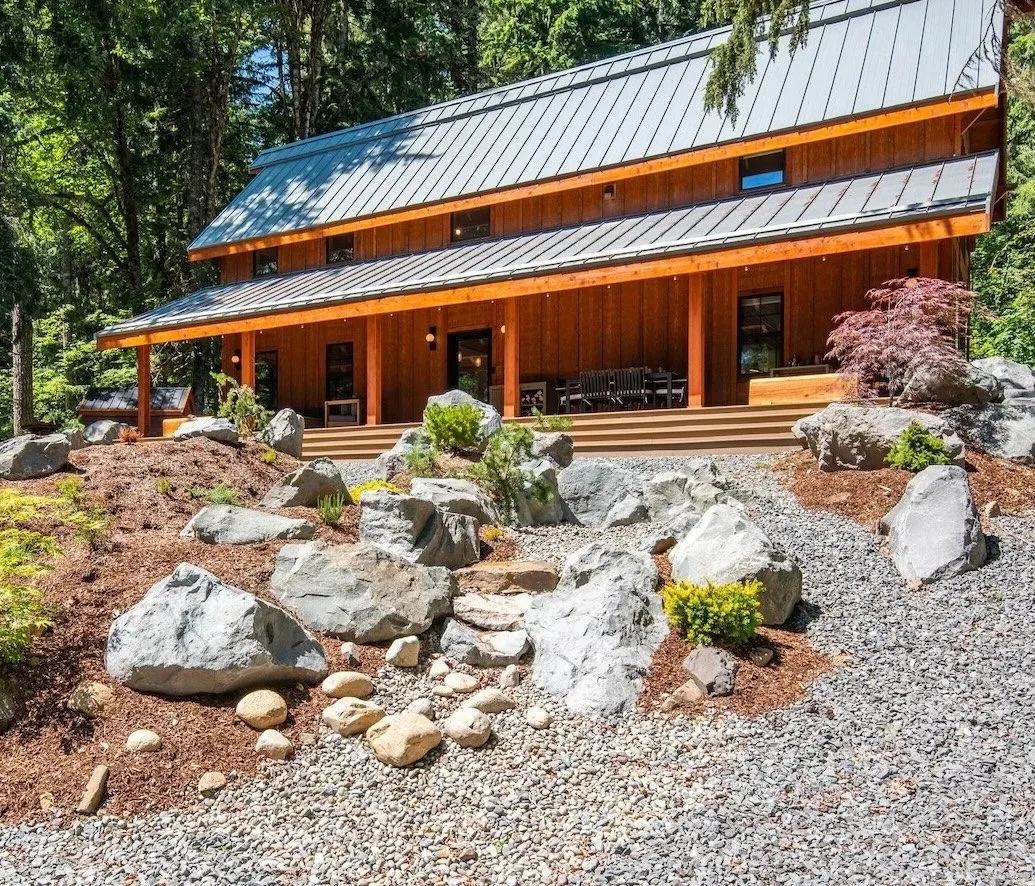
For many winter guests, the hot tub is the reason they booked. It's also the piece of equipment most likely to fail when it's cold. The Treeframe Cabin at Index Cabins in Washington has a private hot tub on its deck, and a shared sauna and cold plunge stand by the river. Owner Nick Pietsch is on the property every week, and as our story on Index Cabins tells it, winter takes its toll: some years that means redoing a patio every few months.
- Keep it running and covered. A hot tub with a working heater and circulation won't freeze. A drained tub that still has water in its lines will. Check the cover's straps and seal before the first storm.
- Check the chemistry and the cover between every stay, and after any power cut. Ask your cleaner to note the water temperature on their checklist.
- Clear a safe path. Steps to a hot tub or sauna ice over quickly. Salt or sand them, and leave a bin of grit by the door for guests.
- Write the rules into the listing. For Airbnb bookings made on or after November 20, 2026, house rules must be in the listing's House rules section before the guest books. You can't add new ones later by message or with a sign. See our explainer on Airbnb's new checkout rules. Airbnb now generally bars hosts from requiring separate contracts, and it hasn't said exactly how hot-tub waivers fit, so check its help center before relying on one. Direct bookings let you use your own rental agreement, within local law.
Driveways, plowing and arrival day
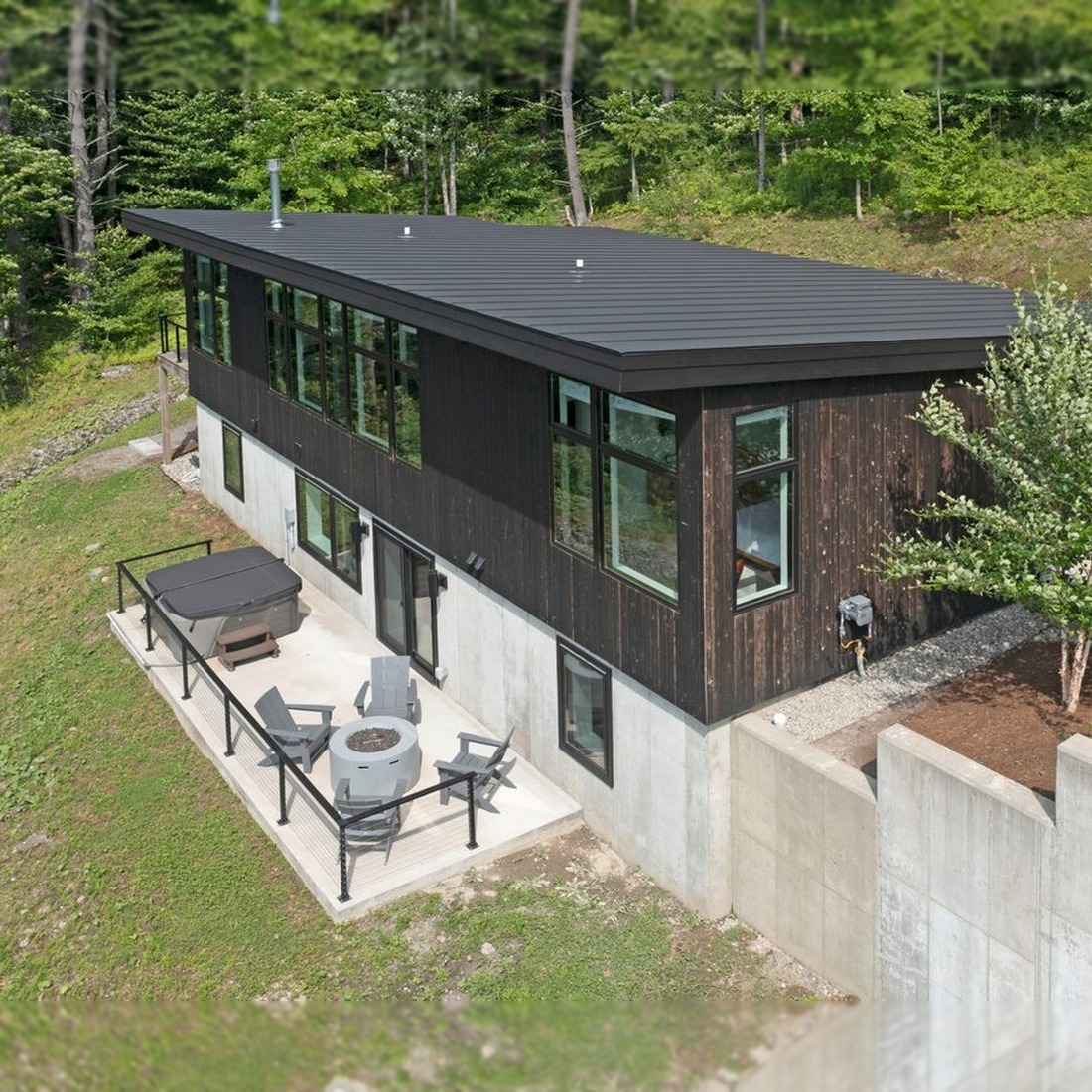
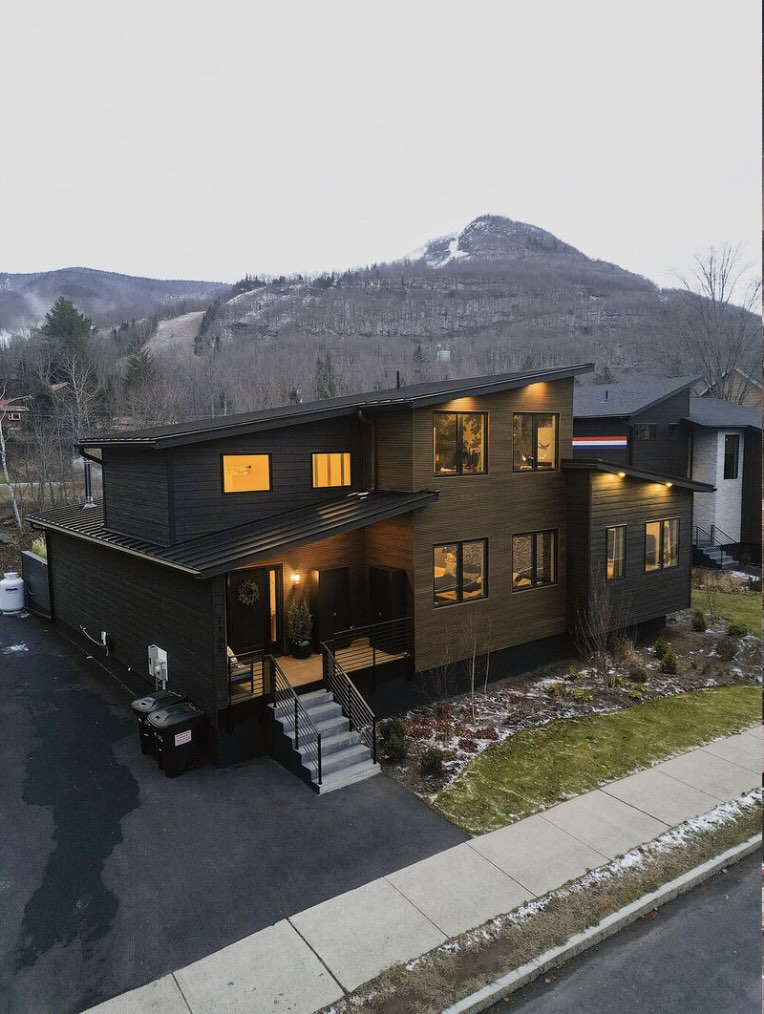
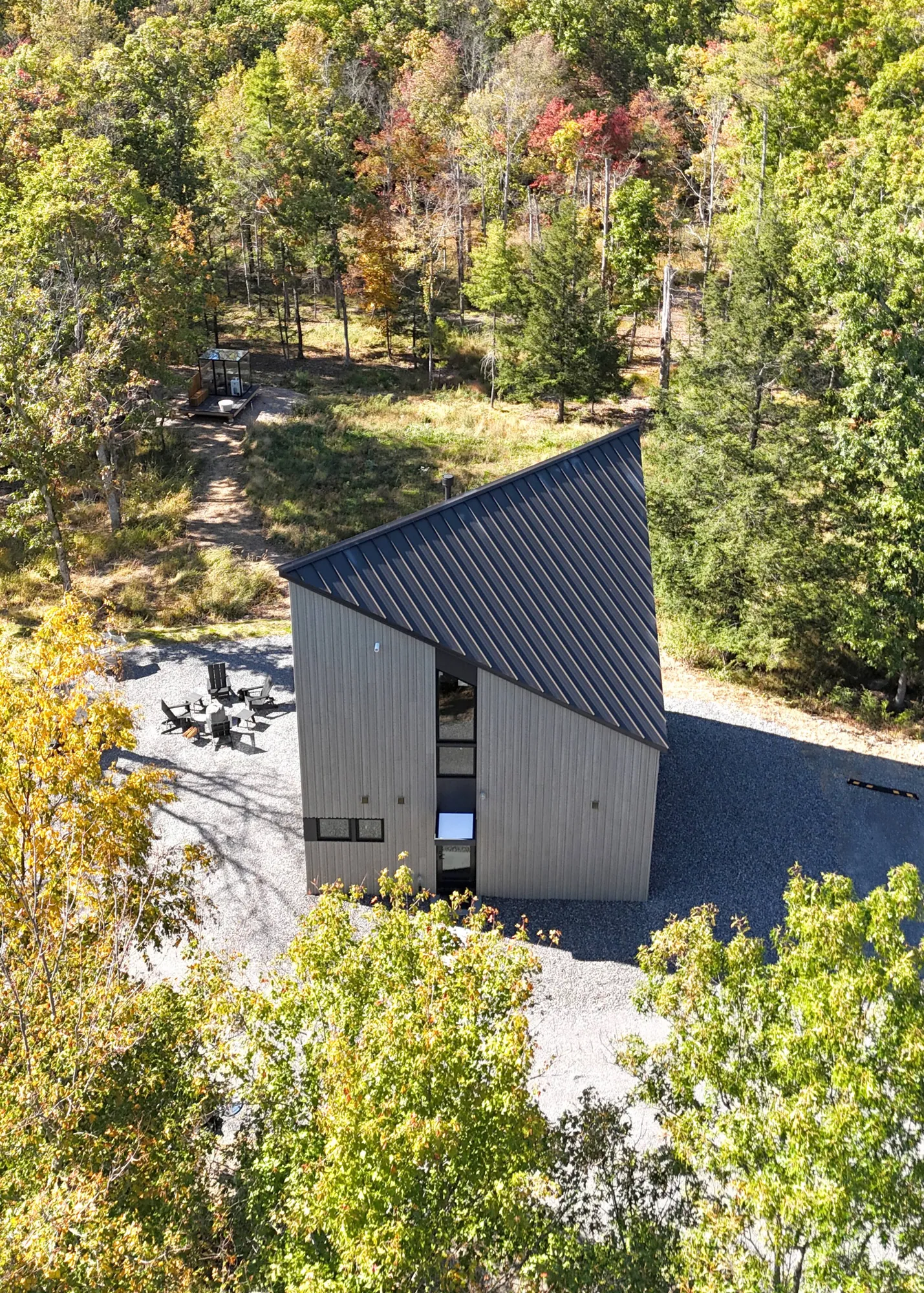
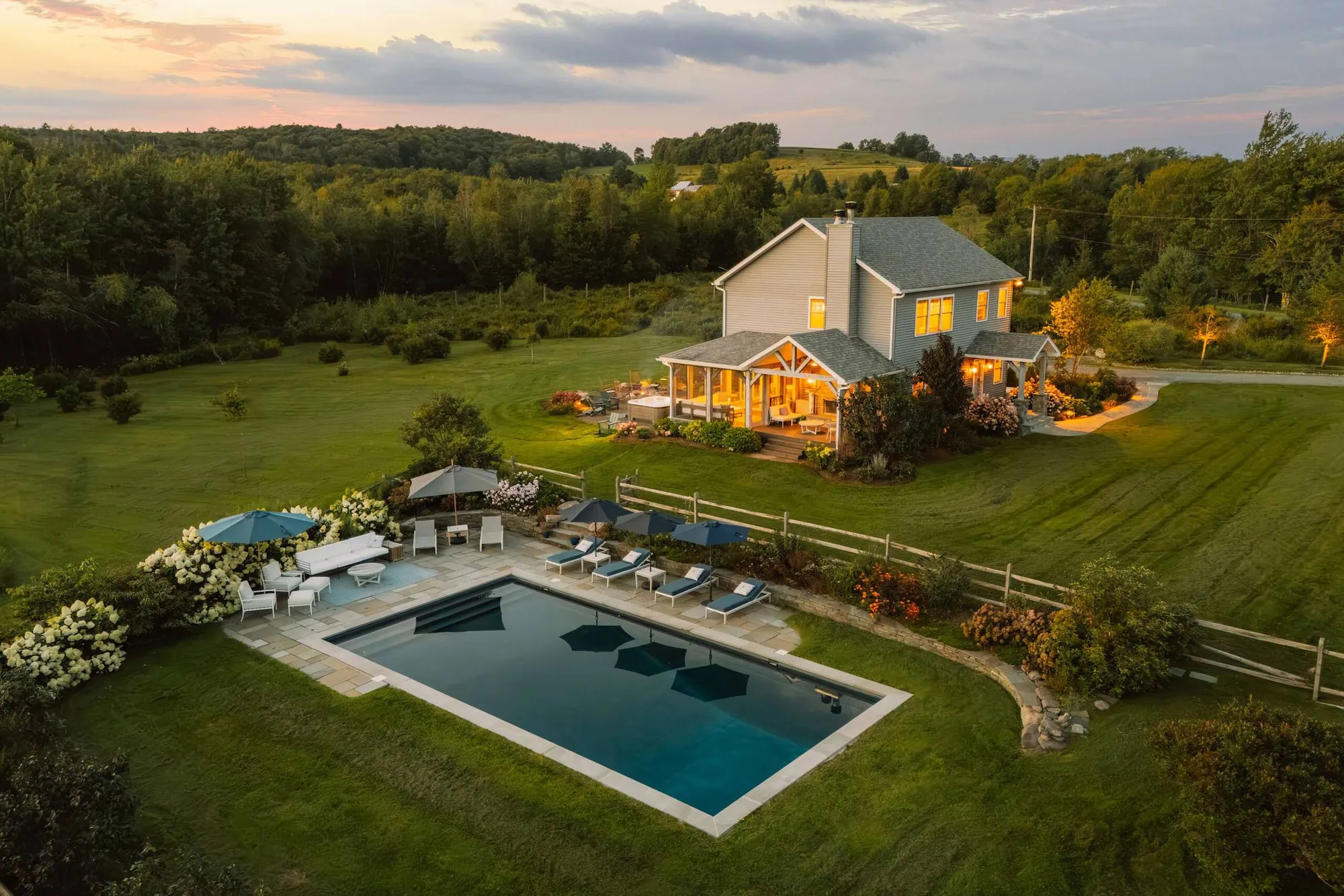
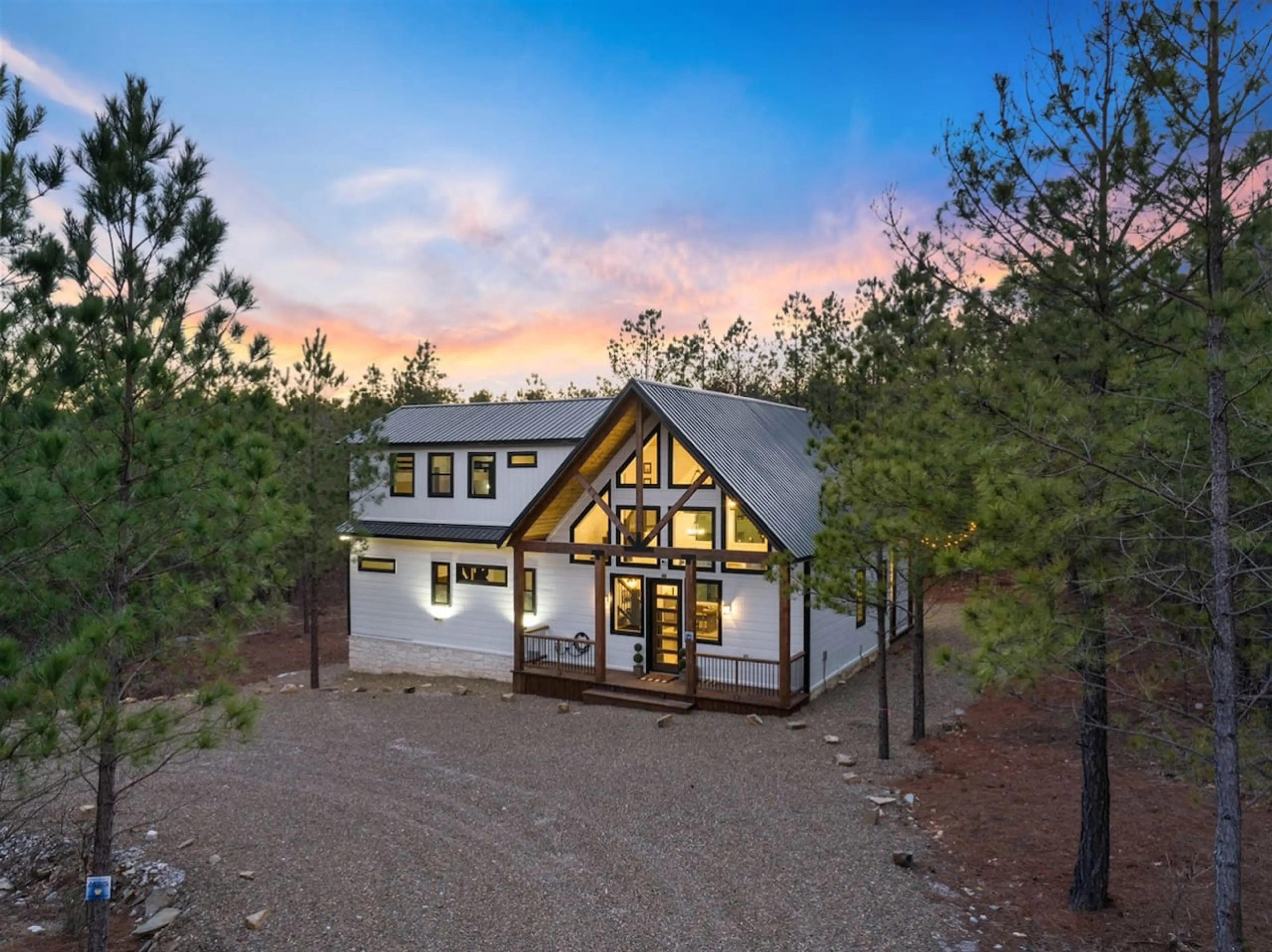
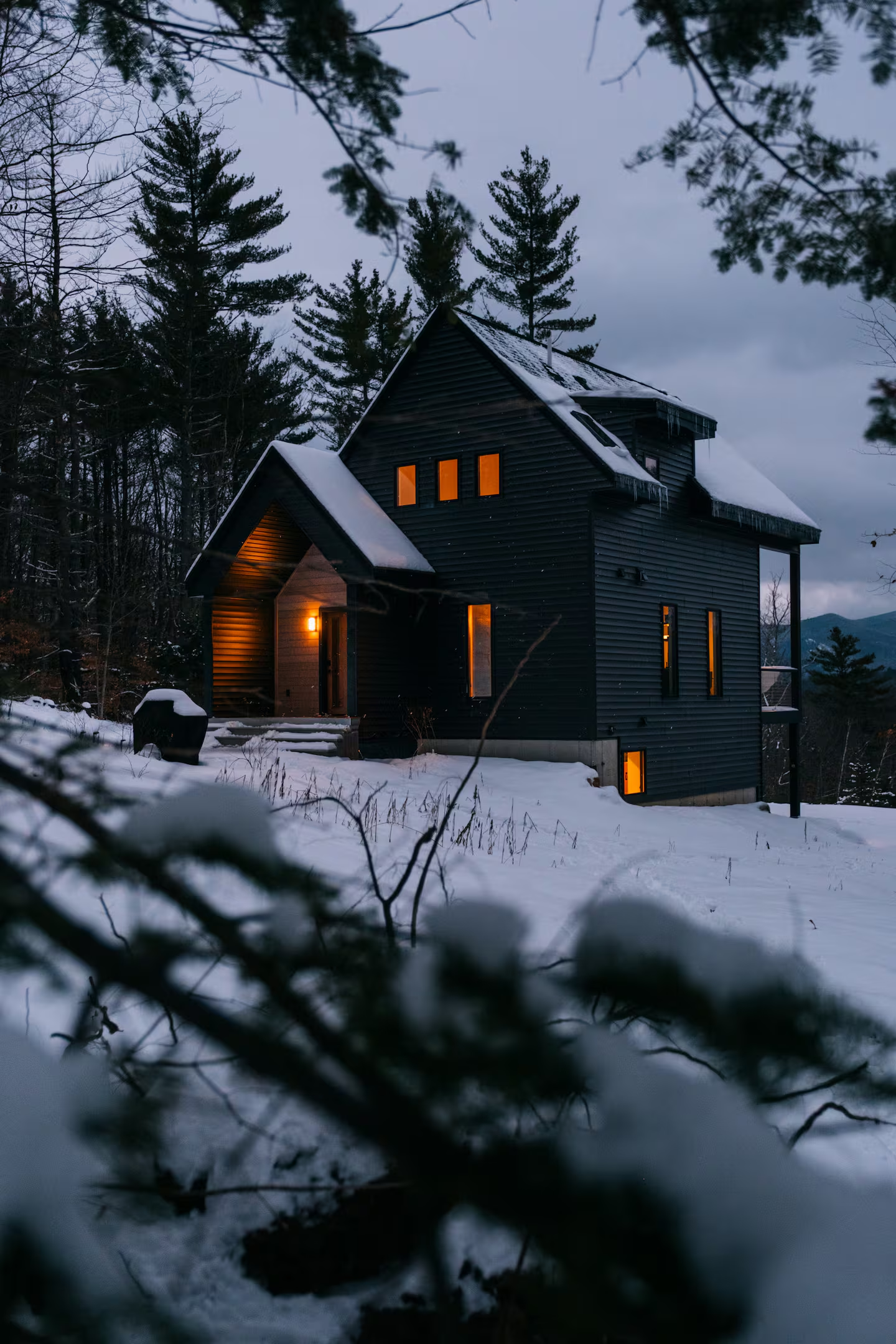
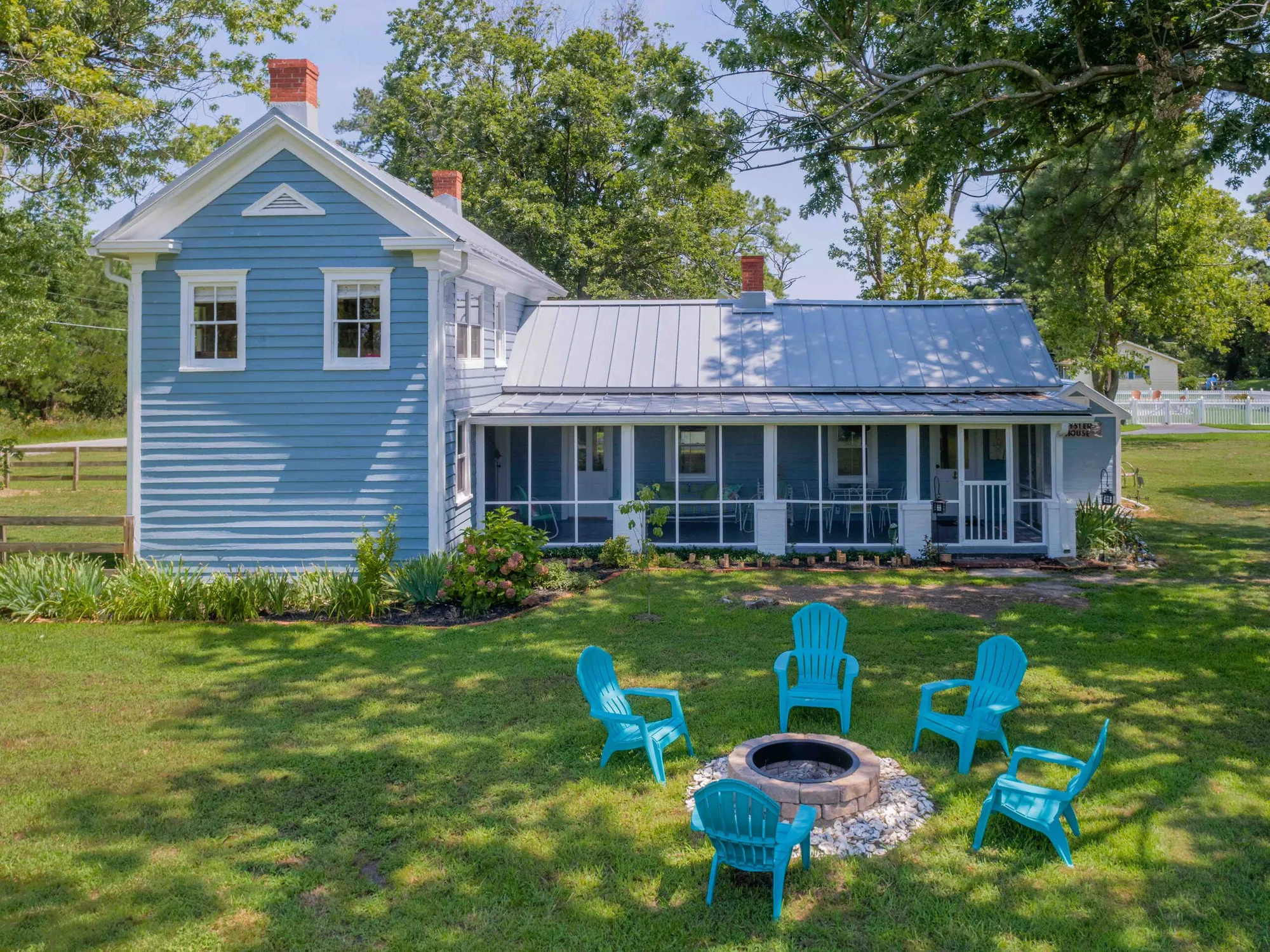
At Super Nova in Campton, New Hampshire, Lyle and Liza tell guests up front that all-wheel drive is recommended in winter because of the steep mountain roads and driveway. They also say that snow can limit access to the fire pit. That kind of honesty saves you a bad review.
- Sign a plowing contract before the first storm, with a trigger depth (for example, 2 inches) and a deadline before check-in.
- Say what car guests need in the listing and again in the booking confirmation.
- Send a storm message the day before arrival: the forecast, whether the road has been plowed, and the code for the door if they arrive after dark.
- Leave a shovel, ice melt and a scraper by the door, not in the garage.
The winter guest guide
Add one page to your house guide for the cold months. It should cover how to light the wood stove or fireplace, where the backup heat is, what to do if the power goes out, where the breaker panel is, how to keep the hot tub cover latched, and who to call. Put the same page in the arrival message. Guests in a snowstorm read their phones, not the binder.
A printable checklist
- Heat floor set at 55°F or higher, in hold mode
- Leak and temperature sensors under sinks, by the water heater and at the main line
- Main water shutoff labeled and reachable
- Backup heat source working, with written instructions
- Hot tub cover sealed and strapped; water checked between stays
- Steps and paths gritted; ice melt by the door
- Plowing contract signed, with a trigger depth and a deadline
- Car requirements in the listing and the confirmation
- Winter page added to the house guide and the arrival message
- Hot-tub and sauna rules in the listing's House rules section for Airbnb bookings
For more on running a direct-booking side to your rental, download our free owner guide, Stop Renting Out Your Algorithm Rank. If you own a design-led home that stays open in winter, we'd like to hear about it.
Frequently asked questions
What temperature should a vacant rental be kept at in winter?
At least 55°F. Insurers and the Red Cross use that as the minimum to protect pipes. Go to 58 to 60°F for an older house, plumbing on exterior walls, or a hard cold snap in the forecast.
Should I drain the hot tub in winter?
Not if you rent through the winter. A running hot tub with a good cover and a working heater is safer than one drained without being fully blown out. Drain and winterize it only if the house will be closed for weeks.
Who pays for snow removal at a vacation rental?
Usually the owner. Book a plowing contract before the first storm, agree on a trigger depth and a deadline before check-in, and say on your listing what guests should expect.
Can I require Airbnb guests to sign a hot-tub waiver?
For Airbnb bookings made on or after November 20, 2026, Airbnb generally no longer lets hosts require a separate contract, with limited exceptions. It hasn't said exactly how hot-tub waivers fit, so check Airbnb's help center before you rely on one. With direct bookings, you set your own rental agreement, within local law.
You may also like
- Stop Paying the Booking-Fee Tax: What Platform Fees Really Cost You
- Vrbo's New 12% Host Commission, Explained: What Changes on October 29
- How Guests Find Vacation Rentals in AI Search Now, and How to Make Sure They Find Yours
- Short-Term Rental Rules in the Hudson Valley and Catskills: What Changes in 2027
- Airbnb's New 15.5% Host Fee, Explained (2026)
Justin Henry is the founder and editor of Locèlle, telling the stories of design-led homes and the people who build them.
Read the letter from the foundersOwn a home with a story of its own? Submit your home to Locèlle


New homes, before they're public
One email a week with new design-led stays, owner stories and off-market finds. Free, and easy to unsubscribe.
Get early accessNew homes, before they're public
One email a week with new design-led stays, owner stories and off-market finds. Free, and easy to unsubscribe.
Get early accessStay somewhere with a story
Every home books directly with its host. No platform fees.